
- Physical Examination
- Surgical Examination
- Ophthalmology
- Clinical Skills
- Orthopedics
- Surgery Videos
- Laparoscopy
- Pediatrics
- Funny Videos
- Cardiothoracic Surgery
- Nursing Videos
- Plastic Surgery
- Otorhinolaryngology
- Histology and Histopathology
- Neurosurgery
- Dermatology
- Pediatric Surgery
- Urology
- Dentistry
- Oncology and Cancers
- Anatomy Videos
- Health and Fitness
- Radiology
- Anaesthesia
- Physical Therapy
- Pharmacology
- Interventional Radiology
- Cardiology
- Endocrinology
- Gynecology
- Emergency Medicine
- Psychiatry and Psychology
- Childbirth Videos
- General Medical Videos
- Nephrology
- Physiology
- Diet and Food Health
- Diabetes Mellitus
- Neurology
- Women Health
- Osteoporosis
- Gastroenterology
- Pulmonology
- Hematology
- Rheumatology
- Toxicology
- Nuclear Medicine
- Infectious Diseases
- Vascular Disease
- Reproductive Health
- Burns and Wound Healing
- Kidney Zone Podcast
- Other
Fracture fixation surgery (ORIF)
Category: Bone, Joint & Spine Procedures · All bone, joint & spine procedures
What it is
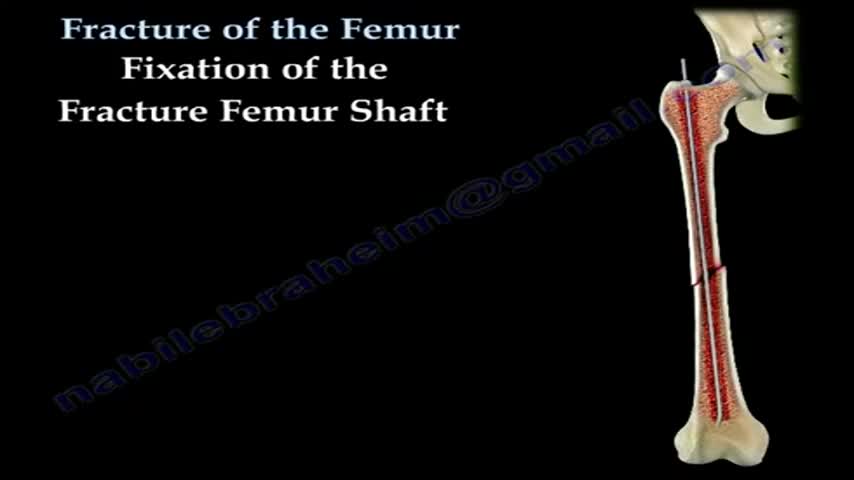
Open reduction and internal fixation (ORIF) is surgery to realign a broken bone and hold it with metal plates, screws, rods or wires while it heals. It is used for fractures that are displaced, unstable, involve a joint surface, or cannot be held accurately in a cast.
Why it is done
Common examples include ankle, wrist, hip-region and long-bone fractures where precise alignment matters for function, and fractures that have failed to stay in position with non-operative treatment.
How to prepare
In emergencies, assessment, pain relief, splinting and X-rays happen first; surgery follows when safe, often within a day or two depending on swelling and other injuries. You will fast before anaesthesia. Tell the team about blood thinners and allergies.
What happens during the procedure
Under general or regional anaesthetic, the surgeon exposes the fracture, restores alignment under X-ray guidance and fixes it with chosen hardware. Wounds are closed and often a cast or boot is applied for protection. Duration varies from 30 minutes to several hours by fracture.
Afterwards — recovery & results
Recovery depends on the bone: protected weight-bearing with crutches for lower limb fractures, early finger and shoulder movement for arm fractures, and physiotherapy to restore movement and strength. Bone healing typically takes six to twelve weeks, confirmed by X-ray and examination.
Risks & considerations
Risks include infection, bleeding, blood clots, nerve or vessel injury, failure or delay of bone healing (non-union), hardware irritation occasionally needing removal, and stiffness of nearby joints. Smoking and diabetes increase healing complications.
Watch: Fracture fixation surgery (ORIF) videos
Real procedure videos from the MedicalVideos.com library. Some clinical footage is graphic — that is the nature of a medical video library.
Frequently asked questions
Will the metalwork stay in forever?
Usually yes, and it causes no problem. It is removed if it irritates, becomes infected, or in some children's fractures. Airports may detect larger implants but this rarely causes difficulty.
Why not just a cast?
Some fracture patterns cannot be held accurately in a cast or involve the joint surface, where a step in alignment would cause early arthritis. Surgery restores anatomy more precisely for those.
Related procedures — Bone, Joint & Spine Procedures
Browse the F section of the A–Z list or return to the Procedures & Tests hub.