
- Physical Examination
- Surgical Examination
- Ophthalmology
- Clinical Skills
- Orthopedics
- Surgery Videos
- Laparoscopy
- Pediatrics
- Funny Videos
- Cardiothoracic Surgery
- Nursing Videos
- Plastic Surgery
- Otorhinolaryngology
- Histology and Histopathology
- Neurosurgery
- Dermatology
- Pediatric Surgery
- Urology
- Dentistry
- Oncology and Cancers
- Anatomy Videos
- Health and Fitness
- Radiology
- Anaesthesia
- Physical Therapy
- Pharmacology
- Interventional Radiology
- Cardiology
- Endocrinology
- Gynecology
- Emergency Medicine
- Psychiatry and Psychology
- Childbirth Videos
- General Medical Videos
- Nephrology
- Physiology
- Diet and Food Health
- Diabetes Mellitus
- Neurology
- Women Health
- Osteoporosis
- Gastroenterology
- Pulmonology
- Hematology
- Rheumatology
- Toxicology
- Nuclear Medicine
- Infectious Diseases
- Vascular Disease
- Reproductive Health
- Burns and Wound Healing
- Kidney Zone Podcast
- Other
Diabetic eye screening (retinal photography)
Category: Screening Tests · All screening tests
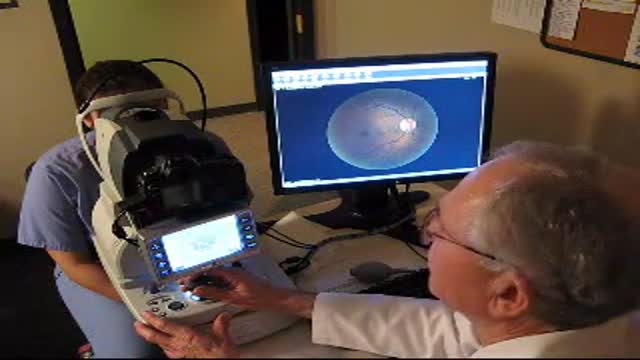
What it is
Diabetic eye screening takes digital photographs of the retina (back of the eye) to look for diabetic retinopathy — damage to retinal blood vessels from diabetes — at an early, treatable stage. It is offered annually (or at longer intervals after repeated normal results in some programmes) to everyone with diabetes from age 12.
Why it is done
Diabetic retinopathy is a leading cause of sight loss in working-age adults and usually has no symptoms until advanced. Screening with timely laser or injection treatment prevents most severe sight loss.
How to prepare
Bring your glasses and a list of medicines. Dilating drops are usually used, which blur vision and increase light sensitivity for a few hours — do not drive until vision clears; bring sunglasses. Tell the screener about eye surgery and allergies.
What happens during the procedure
After drops take effect (about 15 to 20 minutes), photographs are taken of each retina with a special camera — bright flashes but no contact with the eye. The appointment takes about 30 minutes in total.
Afterwards — recovery & results
Images are graded by trained assessors (increasingly with AI assistance under human oversight). Results come by letter within a few weeks: no retinopathy, background changes (routine recall), or referral to hospital eye services for closer monitoring or treatment. Good diabetes, blood pressure and cholesterol control reduce retinopathy risk alongside screening.
Risks & considerations
No risks beyond temporary dilation effects. Screening photographs can miss some problems outside the photographed fields and do not replace regular optician eye examinations for other conditions such as glaucoma and cataract.
Watch: Diabetic eye screening (retinal photography) videos
Real procedure videos from the MedicalVideos.com library. Some clinical footage is graphic — that is the nature of a medical video library.
Related guides on MedicalVideos.com
Frequently asked questions
My vision is perfect — why screen?
Early retinopathy damages vessels silently while vision stays normal. Screening exists precisely for this stage, when treatment is most effective.
What are 'background changes'?
Early signs such as tiny bleeds and vessel bulges (microaneurysms) that need monitoring but not treatment. They are a prompt to tighten diabetes control with your diabetes team.
Related procedures — Screening Tests
Browse the D section of the A–Z list or return to the Procedures & Tests hub.