
- Physical Examination
- Surgical Examination
- Ophthalmology
- Clinical Skills
- Orthopedics
- Surgery Videos
- Laparoscopy
- Pediatrics
- Funny Videos
- Cardiothoracic Surgery
- Nursing Videos
- Plastic Surgery
- Otorhinolaryngology
- Histology and Histopathology
- Neurosurgery
- Dermatology
- Pediatric Surgery
- Urology
- Dentistry
- Oncology and Cancers
- Anatomy Videos
- Health and Fitness
- Radiology
- Anaesthesia
- Physical Therapy
- Pharmacology
- Interventional Radiology
- Cardiology
- Endocrinology
- Gynecology
- Emergency Medicine
- Psychiatry and Psychology
- Childbirth Videos
- General Medical Videos
- Nephrology
- Physiology
- Diet and Food Health
- Diabetes Mellitus
- Neurology
- Women Health
- Osteoporosis
- Gastroenterology
- Pulmonology
- Hematology
- Rheumatology
- Toxicology
- Nuclear Medicine
- Infectious Diseases
- Vascular Disease
- Reproductive Health
- Burns and Wound Healing
- Kidney Zone Podcast
- Other
Screening Tests
Screening tests offered to people without symptoms: mammography, cervical and bowel screening, aneurysm and diabetic eye screening, newborn blood-spot and hearing tests, and the informed-choice tests — PSA, bone density and lung screening — where benefits and harms are weighed individually.
This page lists all 10 of them in the guide. Open any procedure for preparation, step-by-step what happens, recovery advice and frequently asked questions.
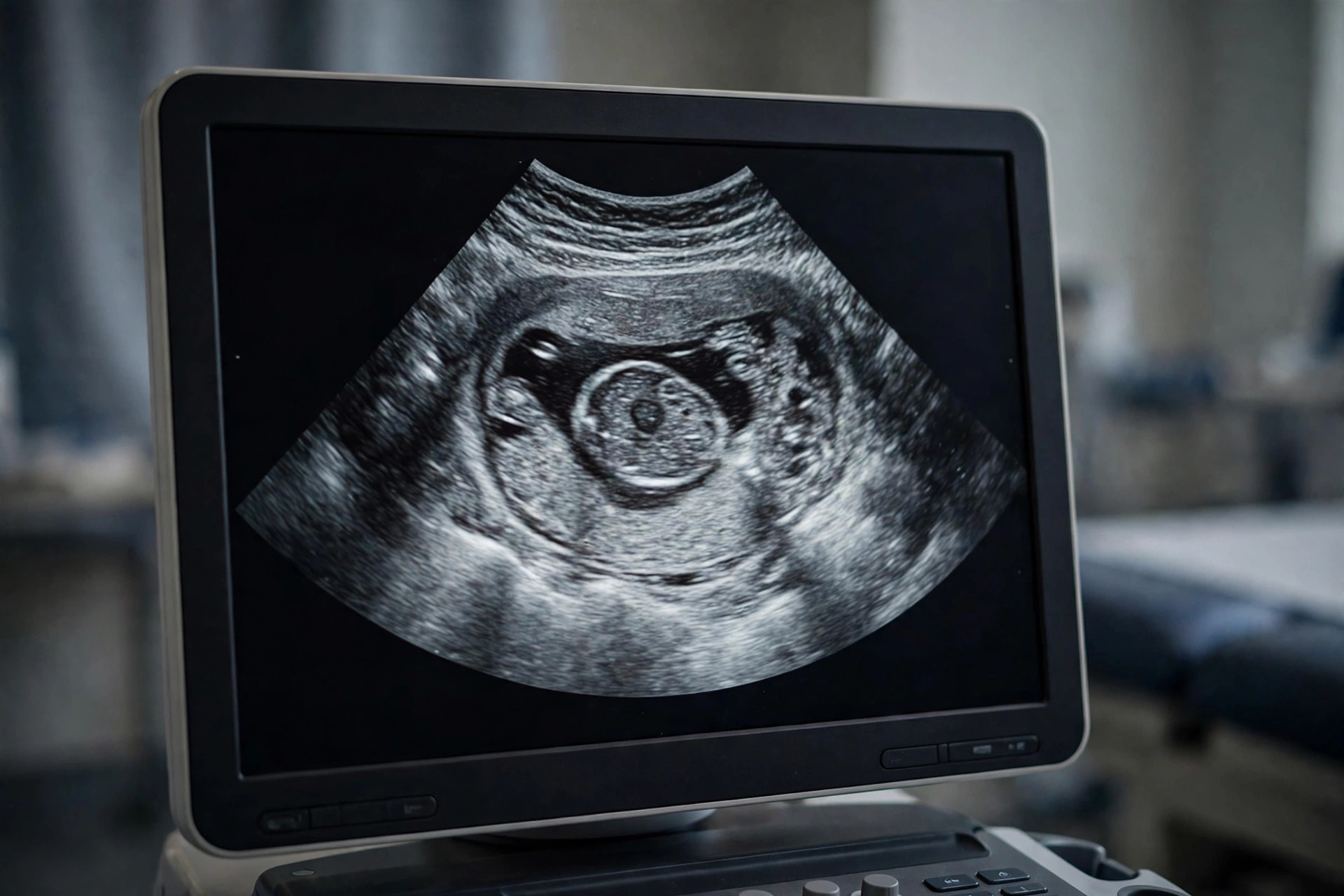 Abdominal aortic aneurysm (AAA) screeningScreening
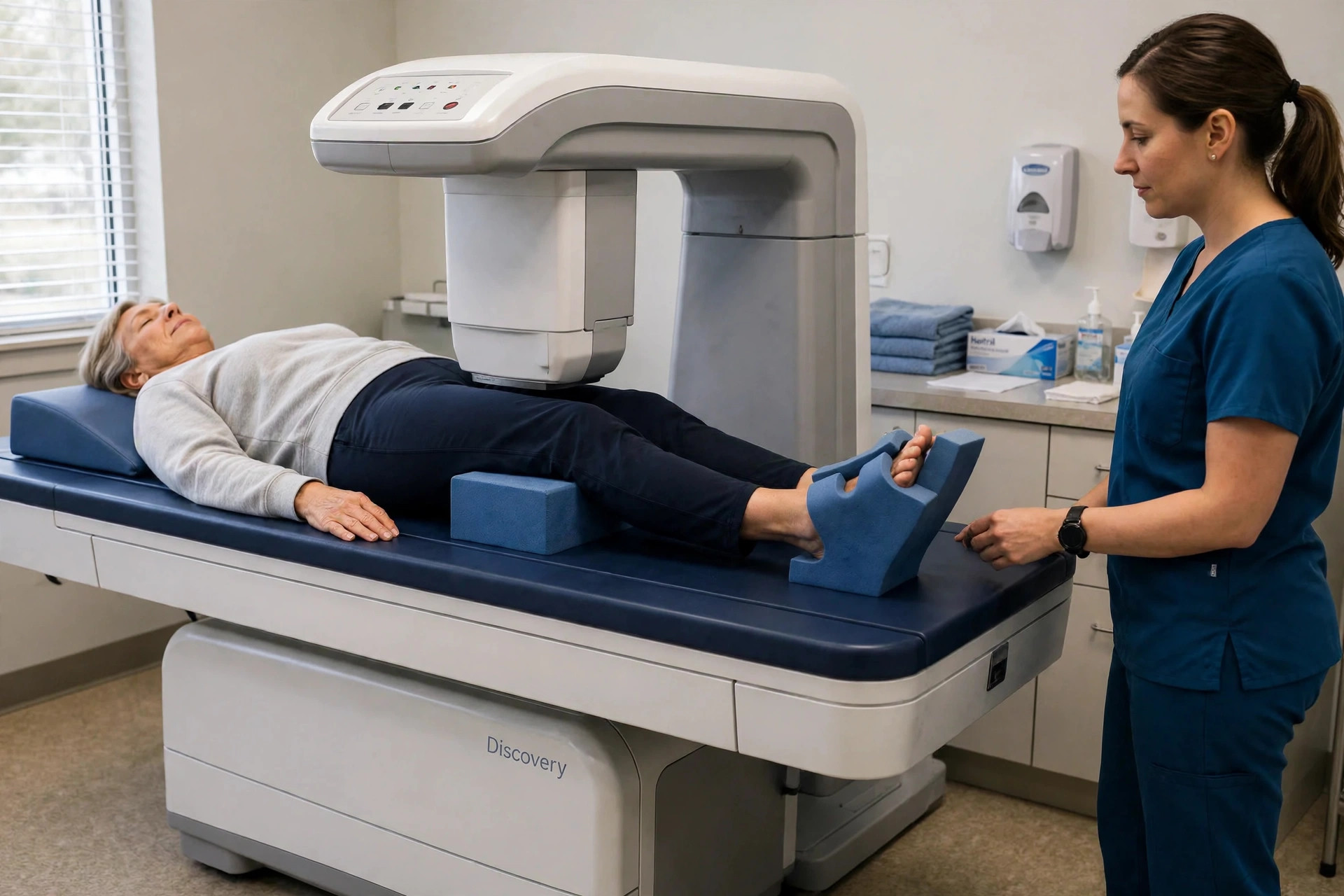 Bone density screening decisions (who needs DEXA)Screening
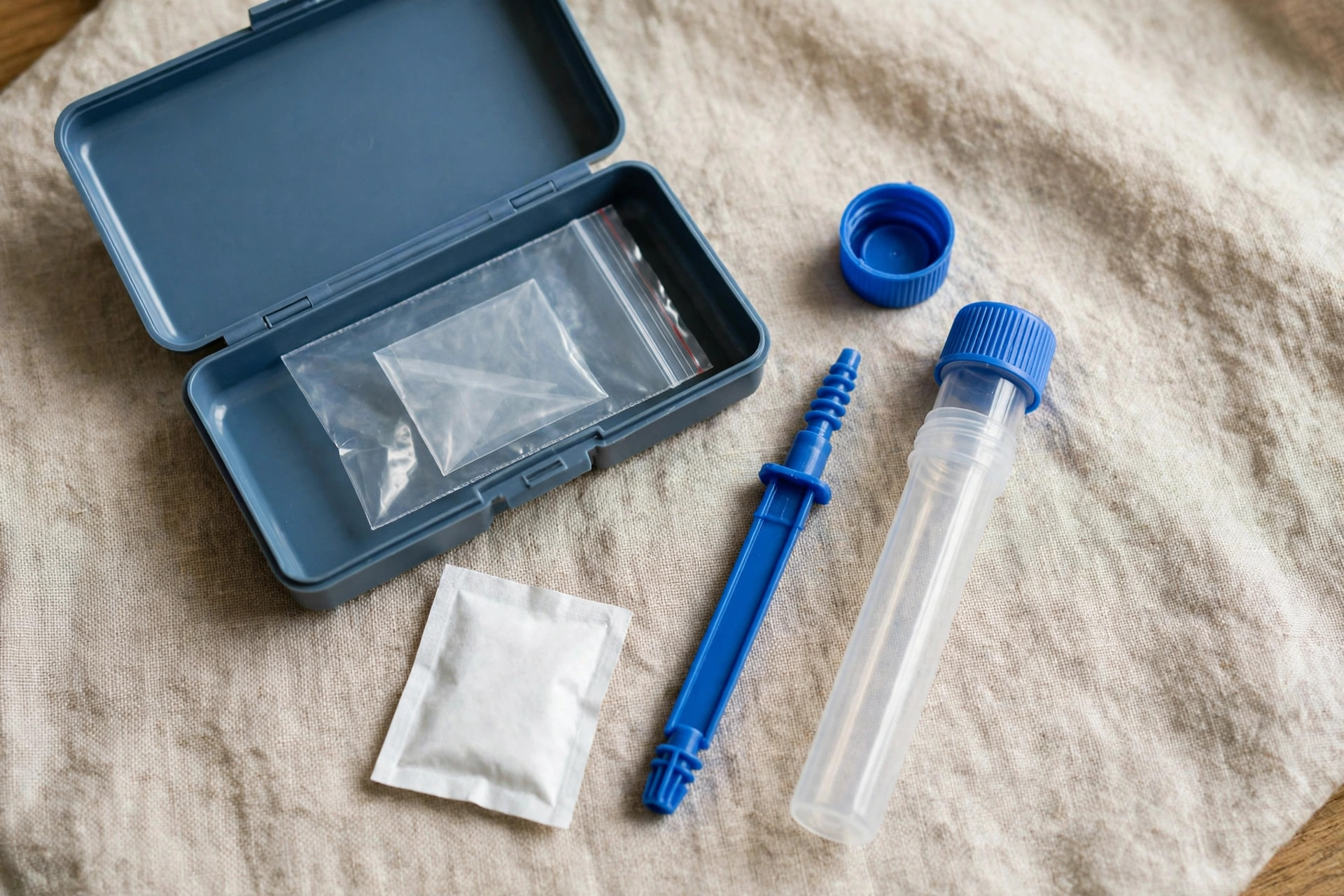 Bowel cancer screening (FIT kit)Screening
 Cervical screening (smear test)Screening
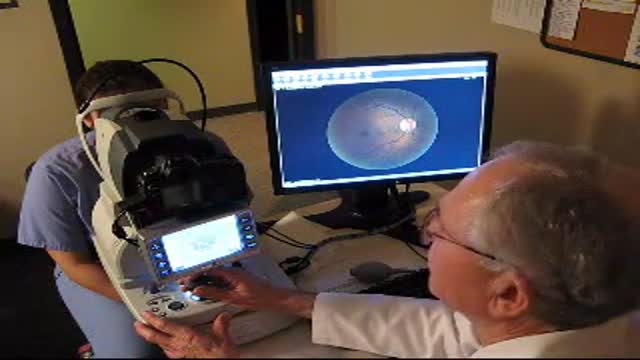 Diabetic eye screening (retinal photography)Screening
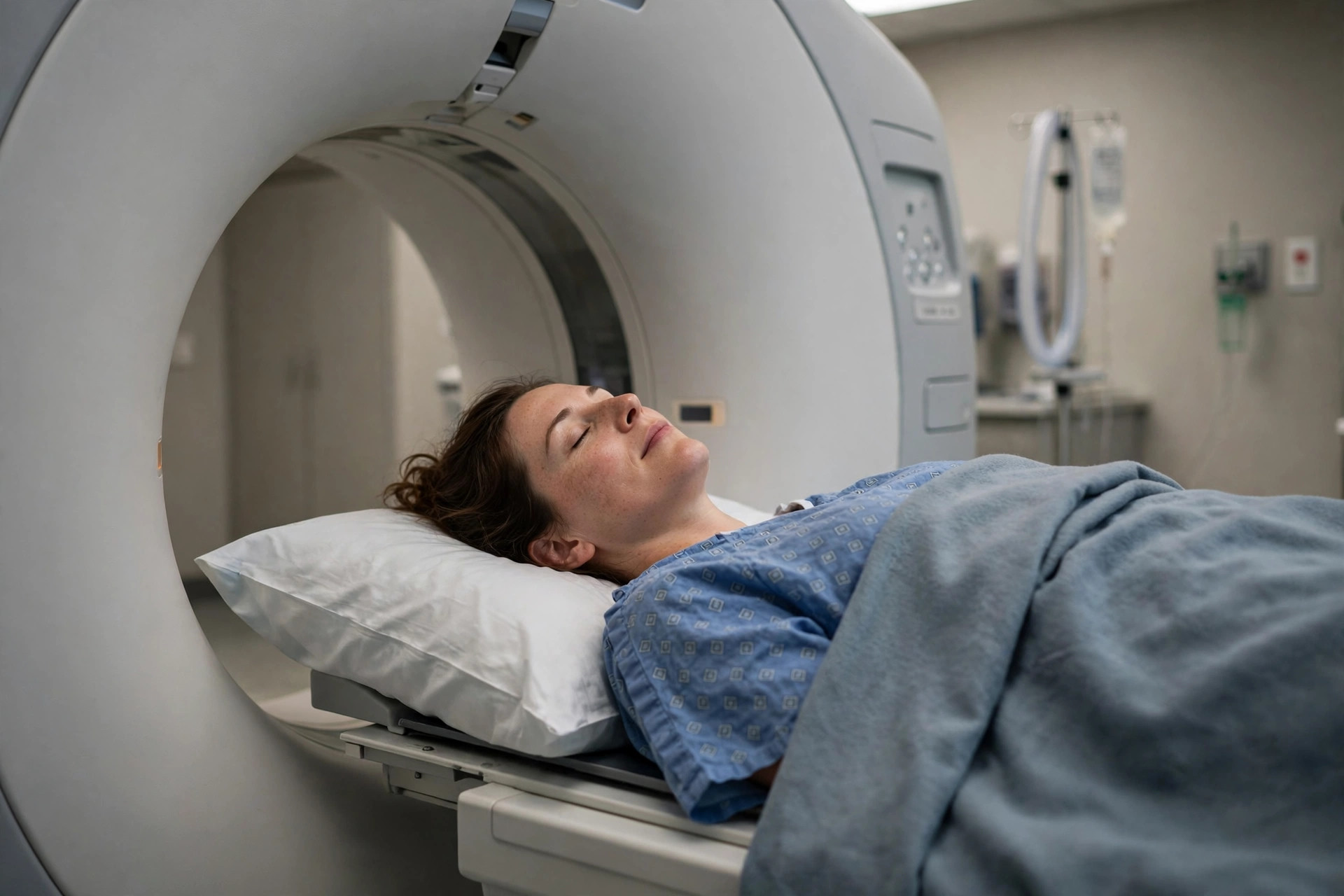 Lung cancer screening (low-dose CT for high-risk smokers)Screening
 Mammogram (screening)Screening
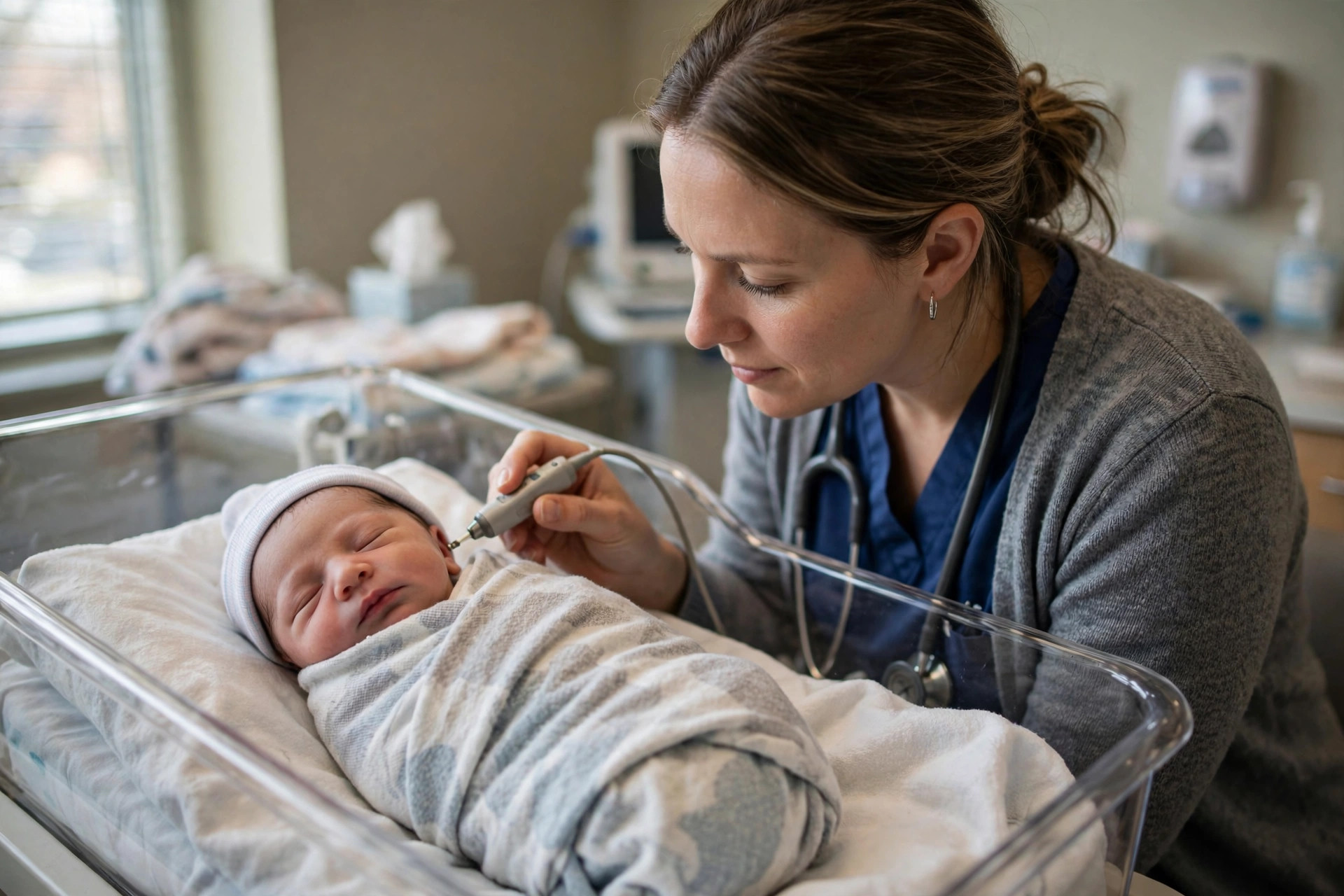 Newborn hearing screeningScreening
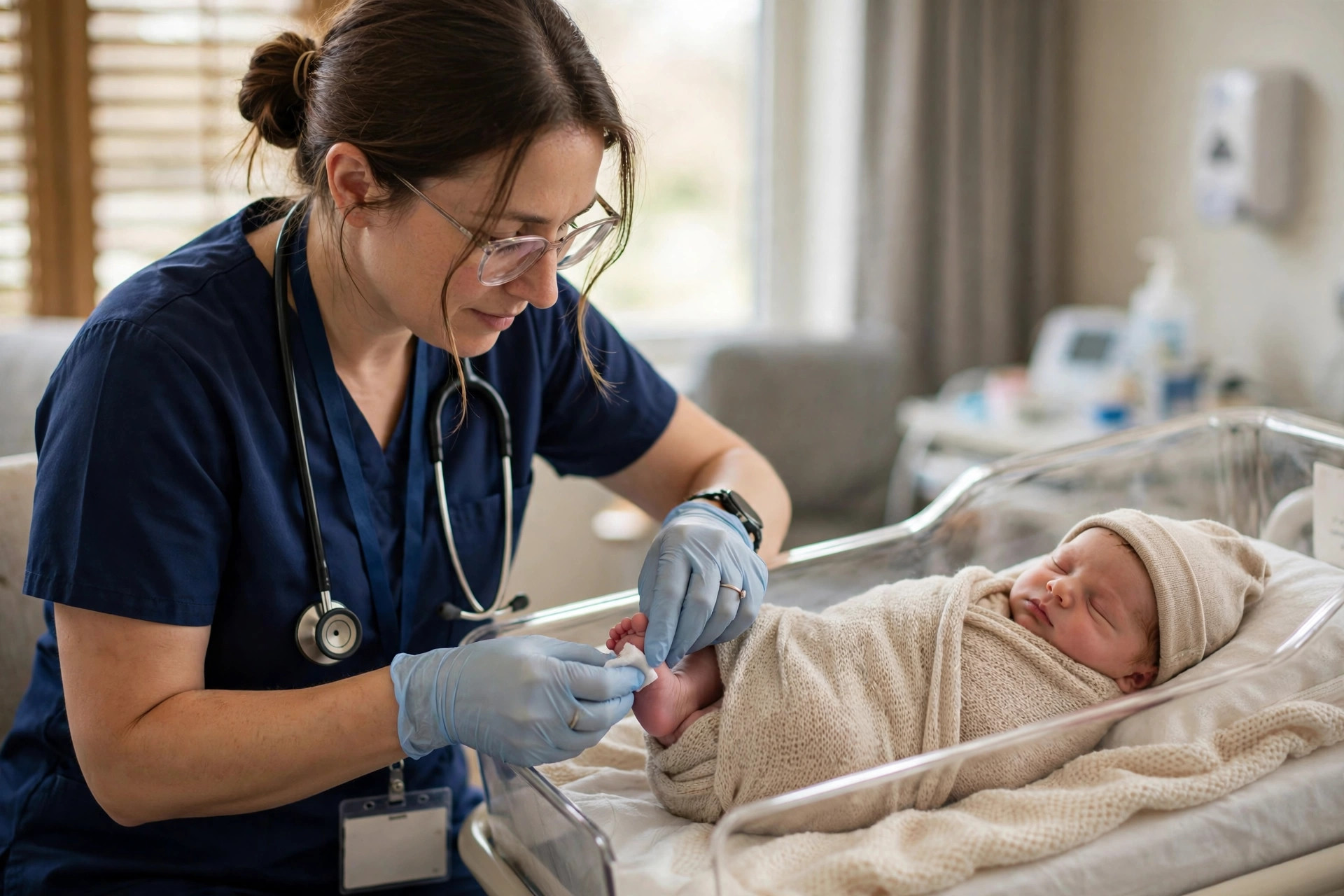 Newborn screening (heel prick / blood spot)Screening
 Prostate screening discussion and PSA testingScreening
| Procedure / test | Category | What it is |
|---|---|---|
| Abdominal aortic aneurysm (AAA) screening | Screening | AAA screening is a one-off ultrasound scan of the abdominal aorta offered to men in the year they turn 65 (in the UK programme). It measures the aorta's diameter: normal results discharge you; small aneurysms enter surveillance scans at intervals; large ones are referred to vascular surgeons. |
| Bone density screening decisions (who needs DEXA) | Screening | Osteoporosis screening is not a universal programme; instead, fracture risk is assessed clinically (for example with the FRAX tool, combining age, weight, previous fractures, steroids, smoking, alcohol and family history) and a DEXA scan is arranged when the result would change treatment decisions. |
| Bowel cancer screening (FIT kit) | Screening | The bowel screening programme sends a FIT kit to your home: you collect a tiny sample of stool with the provided stick, post it to the laboratory, and the test measures invisible blood (human haemoglobin) in the sample. Programmes typically invite adults from their 50s to mid-70s every two years (ages vary by country and are expanding). |
| Cervical screening (smear test) | Screening | Cervical screening checks the health of the cervix to prevent cancer. Modern programmes test the sample first for high-risk HPV (the virus that causes nearly all cervical cancers); only if HPV is found are the cells examined (cytology). It is a screening test for people without symptoms, offered at intervals from age 25 to 64 in the UK (schedules vary by country). |
| Diabetic eye screening (retinal photography) | Screening | Diabetic eye screening takes digital photographs of the retina (back of the eye) to look for diabetic retinopathy — damage to retinal blood vessels from diabetes — at an early, treatable stage. It is offered annually (or at longer intervals after repeated normal results in some programmes) to everyone with diabetes from age 12. |
| Lung cancer screening (low-dose CT for high-risk smokers) | Screening | Lung cancer screening uses low-dose CT scans of the chest in people at high risk — typically current or former heavy smokers in a defined age range (programmes vary; for example 55 to 74 in the expanding UK targeted lung health check programme, and 50 to 80 with a significant smoking history in the US). |
| Mammogram (screening) | Screening | A screening mammogram is a low-dose X-ray of the breast offered to women without symptoms, typically every three years between about 50 and 70 in the UK programme (ages and intervals vary by country), to find cancers too small to feel. Each breast is compressed briefly between plates and imaged from two angles. |
| Newborn hearing screening | Screening | Newborn hearing screening checks a baby's hearing response in the first days or weeks of life, using soft sounds played into the ear and measuring the ear's echo (automated otoacoustic emissions) and, if needed, the brain's response to sound (automated auditory brainstem response). |
| Newborn screening (heel prick / blood spot) | Screening | The newborn blood spot test takes a few drops of blood from the baby's heel onto a card, usually at about five days old, to screen for a panel of rare but serious conditions — including cystic fibrosis, sickle cell disease, congenital hypothyroidism, PKU and several metabolic disorders (the panel varies by country). |
| Prostate screening discussion and PSA testing | Screening | The PSA test measures prostate-specific antigen in blood. Unlike mammography or bowel screening, there is no national prostate screening programme in the UK because PSA's benefits and harms are finely balanced; instead, men over 50 (or younger with risk factors) can request a PSA test after an informed discussion of pros and cons — an approach called informed choice. |
Please note: This page is educational information about a medical procedure or test. It does not replace the instructions of your own care team, who know your situation and whose preparation, fasting and medication advice you should follow if it differs from anything here. If you have symptoms that worry you, or an appointment you do not understand, contact your clinical team.