
- Physical Examination
- Surgical Examination
- Ophthalmology
- Clinical Skills
- Orthopedics
- Surgery Videos
- Laparoscopy
- Pediatrics
- Funny Videos
- Cardiothoracic Surgery
- Nursing Videos
- Plastic Surgery
- Otorhinolaryngology
- Histology and Histopathology
- Neurosurgery
- Dermatology
- Pediatric Surgery
- Urology
- Dentistry
- Oncology and Cancers
- Anatomy Videos
- Health and Fitness
- Radiology
- Anaesthesia
- Physical Therapy
- Pharmacology
- Interventional Radiology
- Cardiology
- Endocrinology
- Gynecology
- Emergency Medicine
- Psychiatry and Psychology
- Childbirth Videos
- General Medical Videos
- Nephrology
- Physiology
- Diet and Food Health
- Diabetes Mellitus
- Neurology
- Women Health
- Osteoporosis
- Gastroenterology
- Pulmonology
- Hematology
- Rheumatology
- Toxicology
- Nuclear Medicine
- Infectious Diseases
- Vascular Disease
- Reproductive Health
- Burns and Wound Healing
- Kidney Zone Podcast
- Other
Cervical screening (smear test)
Category: Screening Tests · All screening tests
What it is
Cervical screening checks the health of the cervix to prevent cancer. Modern programmes test the sample first for high-risk HPV (the virus that causes nearly all cervical cancers); only if HPV is found are the cells examined (cytology). It is a screening test for people without symptoms, offered at intervals from age 25 to 64 in the UK (schedules vary by country).
Why it is done
Regular screening prevents cervical cancer by finding HPV infection and cell changes early, when they can be monitored or treated simply. It is offered to women and people with a cervix, including trans men and non-binary people registered appropriately.
How to prepare
Book when you are not menstruating if possible. Avoid vaginal medicines, lubricants and sex for about 24 hours before if advised. Tell the sample taker about previous difficult tests, FGM, or trauma — adjustments, smaller speculums and stopping at any time are your rights.
What happens during the procedure
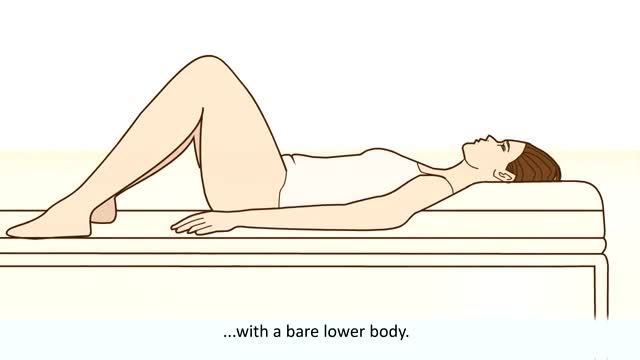
You lie on a couch; a speculum gently opens the vagina so the cervix can be seen, and a small soft brush takes cells from the cervix in a few rotations. It takes about five minutes. Most people find it uncomfortable rather than painful.
Afterwards — recovery & results
Results come by letter, usually within a few weeks: HPV negative means routine recall in several years. HPV positive with normal cells means a repeat test in a year. HPV with abnormal cells leads to colposcopy referral. Between screens, report symptoms such as bleeding after sex or between periods promptly — screening does not cover symptoms.
Risks & considerations
There are no physical risks of note. Screening can cause anxiety while waiting and leads to colposcopy and treatment for some cell changes that might have resolved on their own (over-treatment) — balanced against the cancers prevented. You can opt out; the programme respects informed choice.
Watch: Cervical screening (smear test) videos
Real procedure videos from the MedicalVideos.com library. Some clinical footage is graphic — that is the nature of a medical video library.
Related guides on MedicalVideos.com
Frequently asked questions
I am a virgin / not sexually active — do I need it?
Cervical cancer is driven by HPV, which is transmitted by skin-to-skin sexual contact. If you have never had any sexual contact, your risk is very low — discuss with your clinician and decide together.
Does HPV positive mean I have cancer or an STI problem?
Neither. HPV is extremely common, usually clears on its own, and is not a marker of infidelity — it can persist silently for years. A positive result simply means closer monitoring.
Related procedures — Screening Tests
Browse the C section of the A–Z list or return to the Procedures & Tests hub.