
- Physical Examination
- Surgical Examination
- Ophthalmology
- Clinical Skills
- Orthopedics
- Surgery Videos
- Laparoscopy
- Pediatrics
- Funny Videos
- Cardiothoracic Surgery
- Nursing Videos
- Plastic Surgery
- Otorhinolaryngology
- Histology and Histopathology
- Neurosurgery
- Dermatology
- Pediatric Surgery
- Urology
- Dentistry
- Oncology and Cancers
- Anatomy Videos
- Health and Fitness
- Radiology
- Anaesthesia
- Physical Therapy
- Pharmacology
- Interventional Radiology
- Cardiology
- Endocrinology
- Gynecology
- Emergency Medicine
- Psychiatry and Psychology
- Childbirth Videos
- General Medical Videos
- Nephrology
- Physiology
- Diet and Food Health
- Diabetes Mellitus
- Neurology
- Women Health
- Osteoporosis
- Gastroenterology
- Pulmonology
- Hematology
- Rheumatology
- Toxicology
- Nuclear Medicine
- Infectious Diseases
- Vascular Disease
- Reproductive Health
- Burns and Wound Healing
- Kidney Zone Podcast
- Other
Lung cancer screening (low-dose CT for high-risk smokers)
Category: Screening Tests · All screening tests
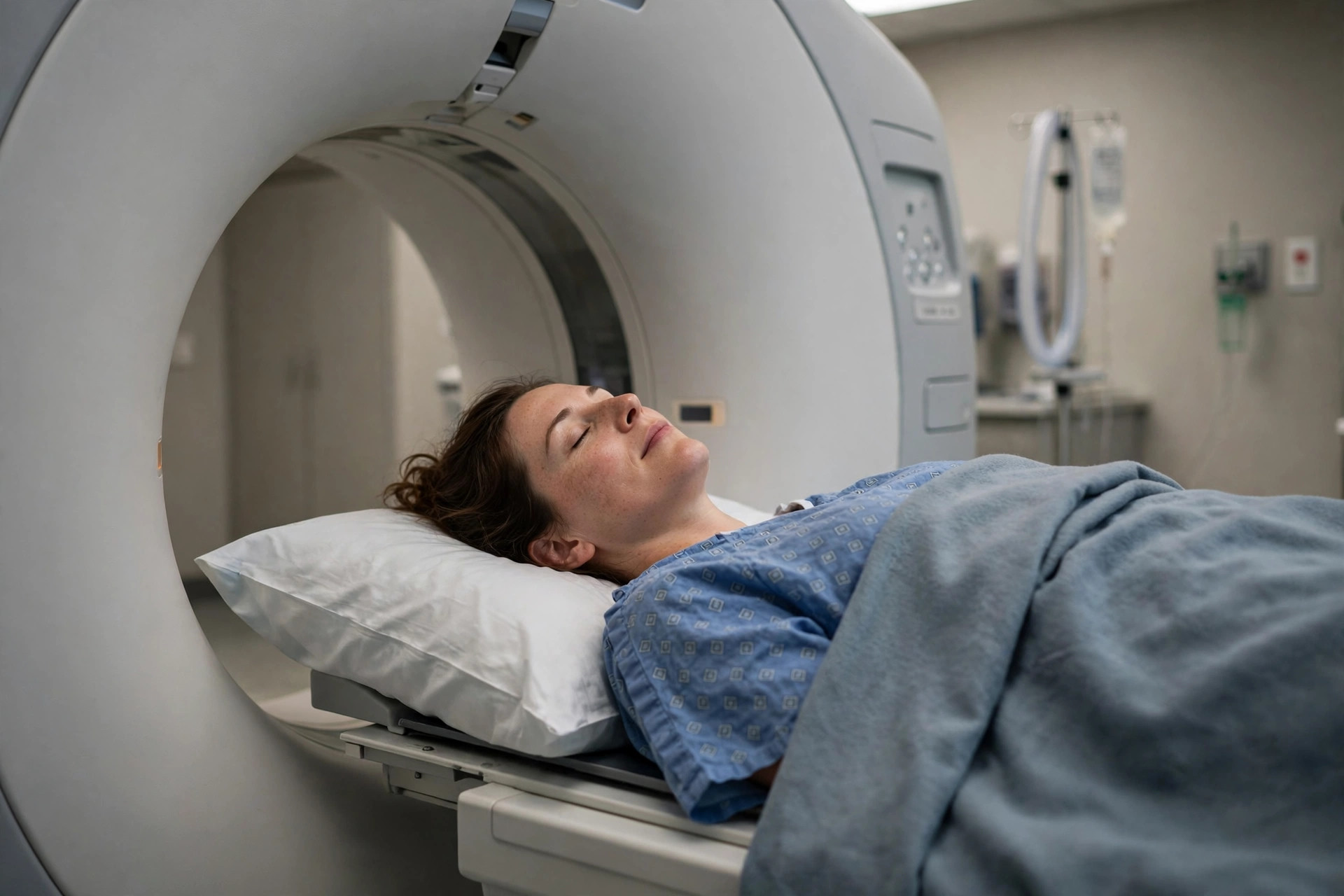
What it is
Lung cancer screening uses low-dose CT scans of the chest in people at high risk — typically current or former heavy smokers in a defined age range (programmes vary; for example 55 to 74 in the expanding UK targeted lung health check programme, and 50 to 80 with a significant smoking history in the US).
Why it is done
Trials show screening this group reduces lung cancer deaths, because cancers are found at an early, curable stage rather than after symptoms appear. Screening visits also offer smoking cessation support, the single most effective step for reducing risk.
How to prepare
You will be asked detailed smoking history questions to assess eligibility (pack-years). No fasting is needed. Tell the team about previous chest CTs and any current chest symptoms — new symptoms need diagnostic pathways rather than screening.
What happens during the procedure
The low-dose CT takes a few minutes: you lie on the table, hold your breath briefly as it passes through the scanner. No injections are needed. Some programmes include breathing tests and a health review at the same visit.
Afterwards — recovery & results
Results come within a few weeks. Most scans are clear with recall at the programme interval (often one to two years). Small nodules are common and usually monitored with repeat scans at set intervals; a minority need further investigation. You will be told the plan clearly.
Risks & considerations
Harms include false alarms and follow-up scans for benign nodules, incidental findings, anxiety, and a small cumulative radiation dose — judged worthwhile in the high-risk group by trial evidence. Stopping smoking remains more powerful than screening.
Related guides on MedicalVideos.com
Frequently asked questions
I quit smoking years ago — still eligible?
Often yes, if your cumulative smoking was heavy and you quit within the programme's window. Eligibility is calculated from your history at the assessment.
Why not screen non-smokers too?
Lung cancer is much rarer in never-smokers, so the balance of benefit to harm (false alarms, radiation, procedures) does not favour screening. Research into other risk groups continues.
Related procedures — Screening Tests
Browse the L section of the A–Z list or return to the Procedures & Tests hub.