
- Physical Examination
- Surgical Examination
- Ophthalmology
- Clinical Skills
- Orthopedics
- Surgery Videos
- Laparoscopy
- Pediatrics
- Funny Videos
- Cardiothoracic Surgery
- Nursing Videos
- Plastic Surgery
- Otorhinolaryngology
- Histology and Histopathology
- Neurosurgery
- Dermatology
- Pediatric Surgery
- Urology
- Dentistry
- Oncology and Cancers
- Anatomy Videos
- Health and Fitness
- Radiology
- Anaesthesia
- Physical Therapy
- Pharmacology
- Interventional Radiology
- Cardiology
- Endocrinology
- Gynecology
- Emergency Medicine
- Psychiatry and Psychology
- Childbirth Videos
- General Medical Videos
- Nephrology
- Physiology
- Diet and Food Health
- Diabetes Mellitus
- Neurology
- Women Health
- Osteoporosis
- Gastroenterology
- Pulmonology
- Hematology
- Rheumatology
- Toxicology
- Nuclear Medicine
- Infectious Diseases
- Vascular Disease
- Reproductive Health
- Burns and Wound Healing
- Kidney Zone Podcast
- Other
Ear wax removal (microsuction / irrigation)
Category: Minor Procedures, Injections & Pain Relief · All minor procedures, injections & pain relief
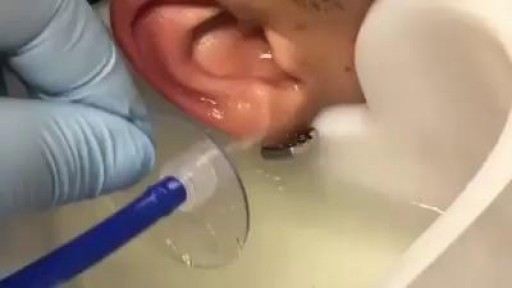
What it is
Ear wax removal clears impacted wax causing hearing loss, discomfort, a blocked feeling, ringing, or preventing examination of the eardrum. Microsuction (gentle suction under a microscope) is the most widely used clinic method; irrigation (flushing with warm water) and manual removal with instruments are alternatives.
Why it is done
It is used when wax causes symptoms or blocks assessment, and when hearing aids are affected. Softening drops (olive oil or a commercial softener) used for several days beforehand make removal easier and safer.
How to prepare
Tell the clinician about previous ear surgery, a hole in the eardrum, ear infections, dizziness or grommets — these affect the method chosen (irrigation is usually avoided with a perforation). Use softening drops for a week before the appointment if advised.
What happens during the procedure
For microsuction, you sit still while the clinician, looking through a microscope, suctions the wax out with a fine nozzle — you hear a loud sucking sound and may feel mild pressure. Irrigation uses a gentle stream of warm water. It takes about 10 to 20 minutes.
Afterwards — recovery & results
Hearing usually improves immediately. Mild ear soreness, temporary dizziness or ringing can occur and settle quickly. After removal, your clinician may check the eardrum properly and arrange hearing tests if hearing remains reduced.
Risks & considerations
Risks are low: temporary dizziness, minor bleeding if the ear canal skin is grazed, and very rarely eardrum perforation (mainly with irrigation). Do not use cotton buds or candles afterwards — buds push wax deeper and can injure the ear.
Watch: Ear wax removal (microsuction / irrigation) videos
Real procedure videos from the MedicalVideos.com library. Some clinical footage is graphic — that is the nature of a medical video library.
Frequently asked questions
Why does wax build up if ears are self-cleaning?
Ear canals do self-clean by skin migration, but narrow canals, hearing aids, earphones and cotton buds interrupt the process, allowing wax to accumulate.
Are ear candles safe?
No — they do not remove wax effectively and risk burns and canal blockage. Clinicians advise against them.
Related procedures — Minor Procedures, Injections & Pain Relief
Browse the E section of the A–Z list or return to the Procedures & Tests hub.