
- Physical Examination
- Surgical Examination
- Ophthalmology
- Clinical Skills
- Orthopedics
- Surgery Videos
- Laparoscopy
- Pediatrics
- Funny Videos
- Cardiothoracic Surgery
- Nursing Videos
- Plastic Surgery
- Otorhinolaryngology
- Histology and Histopathology
- Neurosurgery
- Dermatology
- Pediatric Surgery
- Urology
- Dentistry
- Oncology and Cancers
- Anatomy Videos
- Health and Fitness
- Radiology
- Anaesthesia
- Physical Therapy
- Pharmacology
- Interventional Radiology
- Cardiology
- Endocrinology
- Gynecology
- Emergency Medicine
- Psychiatry and Psychology
- Childbirth Videos
- General Medical Videos
- Nephrology
- Physiology
- Diet and Food Health
- Diabetes Mellitus
- Neurology
- Women Health
- Osteoporosis
- Gastroenterology
- Pulmonology
- Hematology
- Rheumatology
- Toxicology
- Nuclear Medicine
- Infectious Diseases
- Vascular Disease
- Reproductive Health
- Burns and Wound Healing
- Kidney Zone Podcast
- Other
Minor Procedures, Injections & Pain Relief
Minor procedures, injections and pain relief: stitching and abscess drainage, removal of moles, cysts and lipomas, joint and trigger-point injections, nerve blocks and radiofrequency treatment for pain, casting, ear wax removal, and a range of other clinic-based procedures.
This page lists all 25 of them in the guide. Open any procedure for preparation, step-by-step what happens, recovery advice and frequently asked questions.
 Acupuncture and dry needling (clinical context)Minor Procedures & Pain
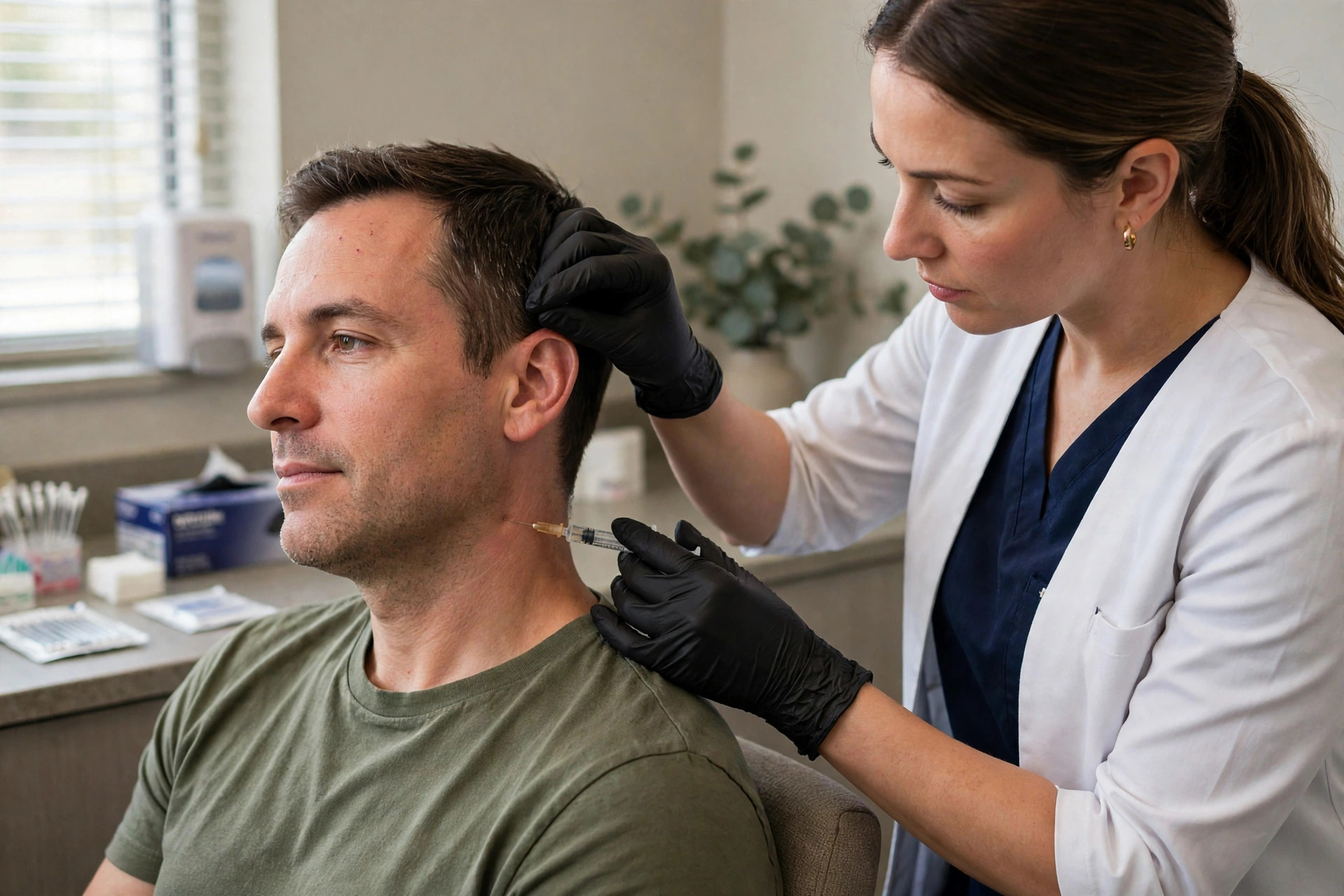 Botox for chronic migraineMinor Procedures & Pain
 Casting and splinting for fracturesMinor Procedures & Pain
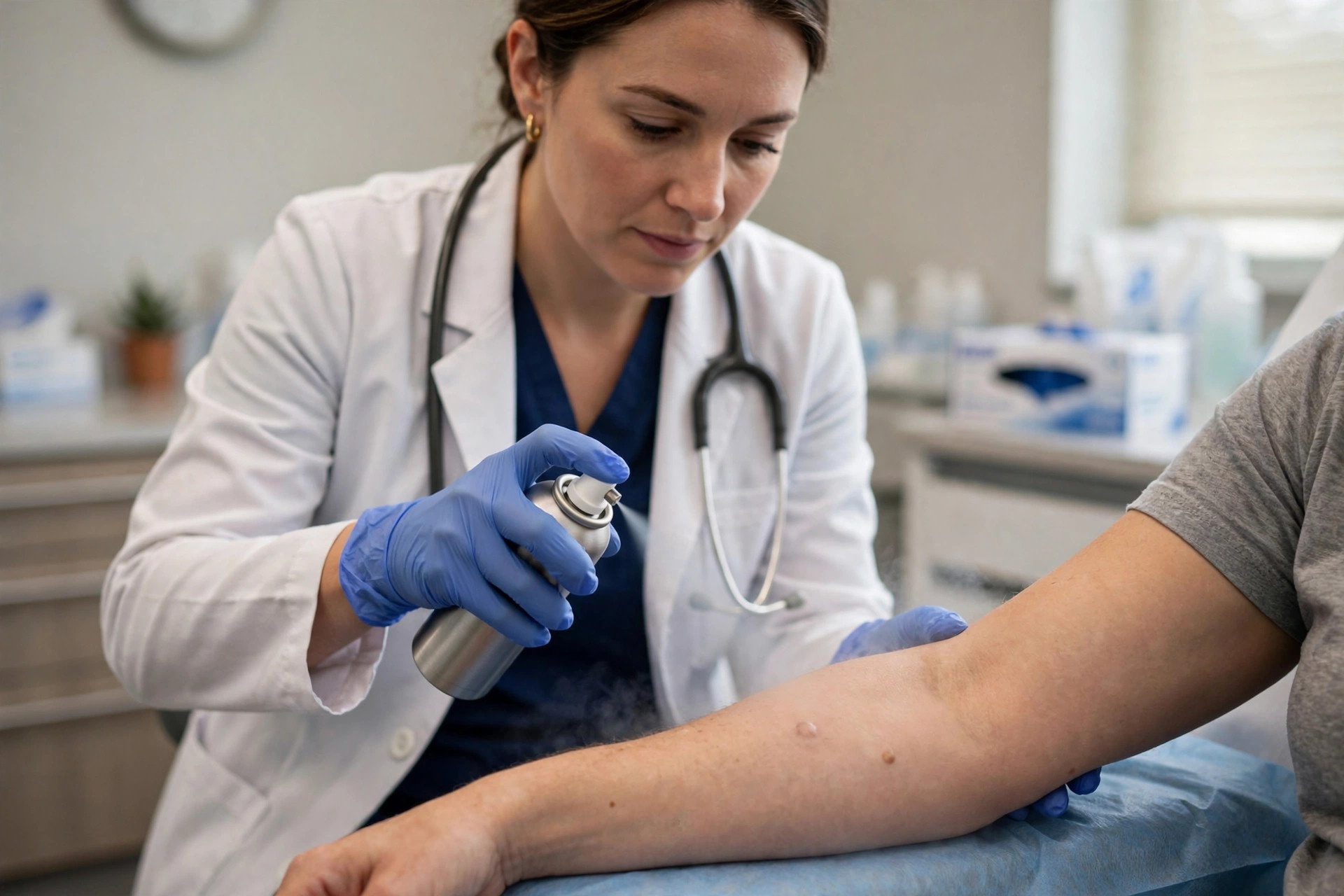 Cryotherapy for skin lesions (seborrheic keratoses, actinic keratoses)Minor Procedures & Pain
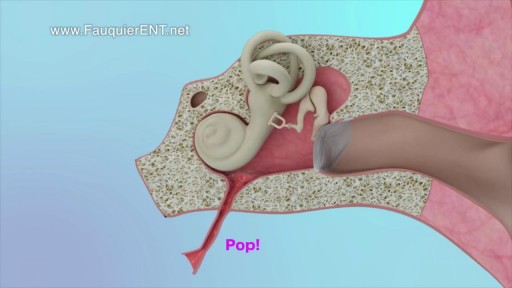 Ear grommet insertion (myringotomy with tubes)Minor Procedures & Pain
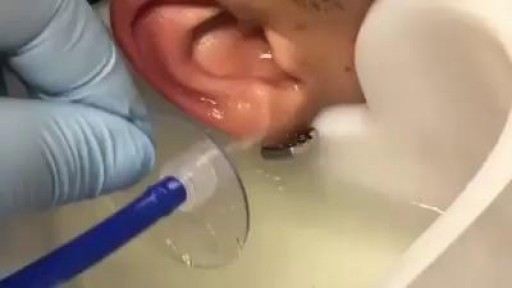 Ear wax removal (microsuction / irrigation)Minor Procedures & Pain
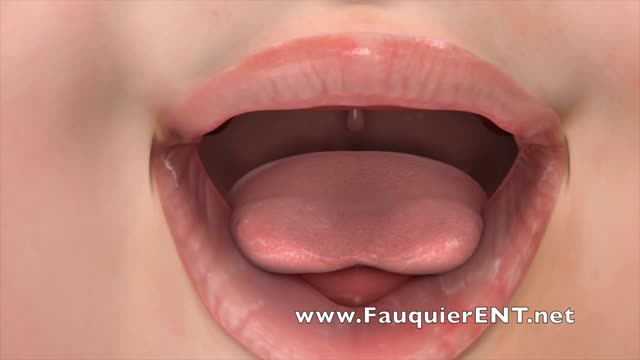 Frenuloplasty / frenotomy (tongue-tie division)Minor Procedures & Pain
 Gastric band adjustments and other minor proceduresMinor Procedures & Pain
 Incision and drainage (I&D) of an abscessMinor Procedures & Pain
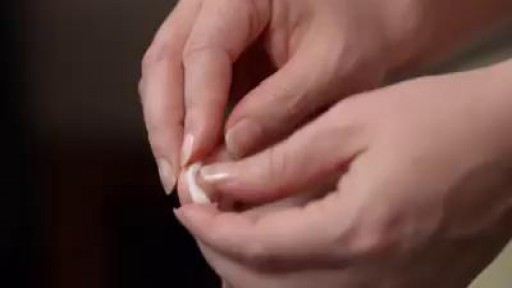 Ingrowing toenail surgery (partial nail avulsion)Minor Procedures & Pain
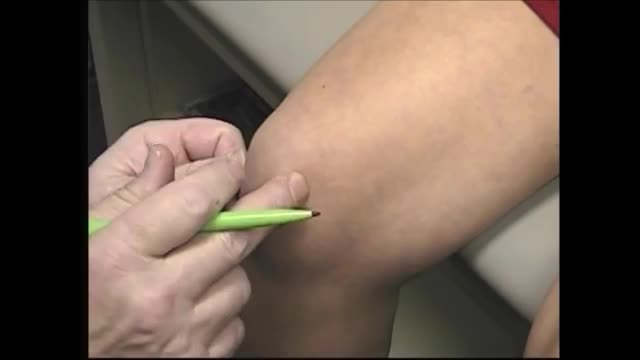 Joint injection (corticosteroid / hyaluronic acid)Minor Procedures & Pain
 Mole removal (excision)Minor Procedures & Pain
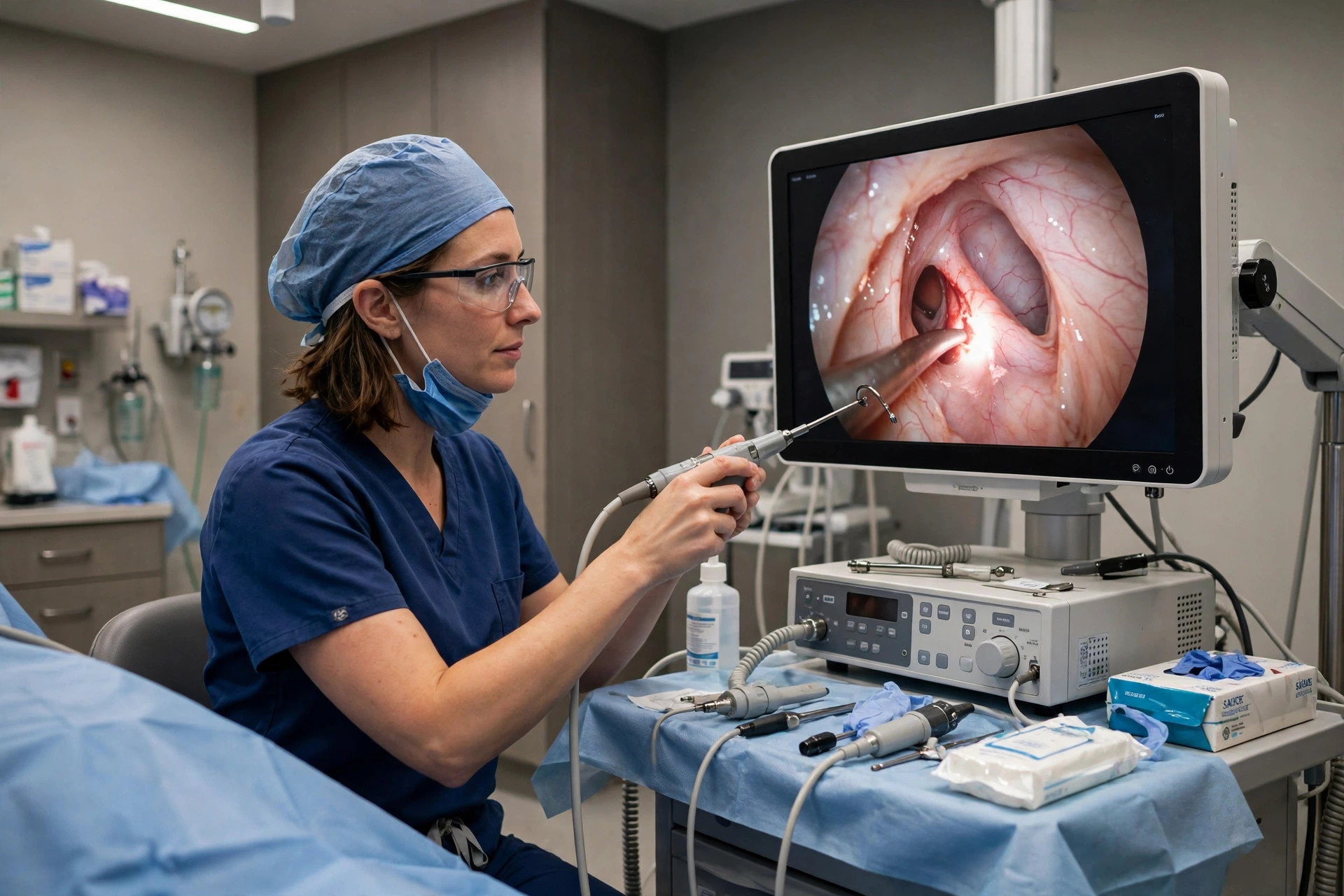 Nasal cautery for nosebleedsMinor Procedures & Pain
 Nerve blocks for chronic pain (including facet joint and epidural)Minor Procedures & Pain
 Prostate massage and pelvic floor physiotherapyMinor Procedures & Pain
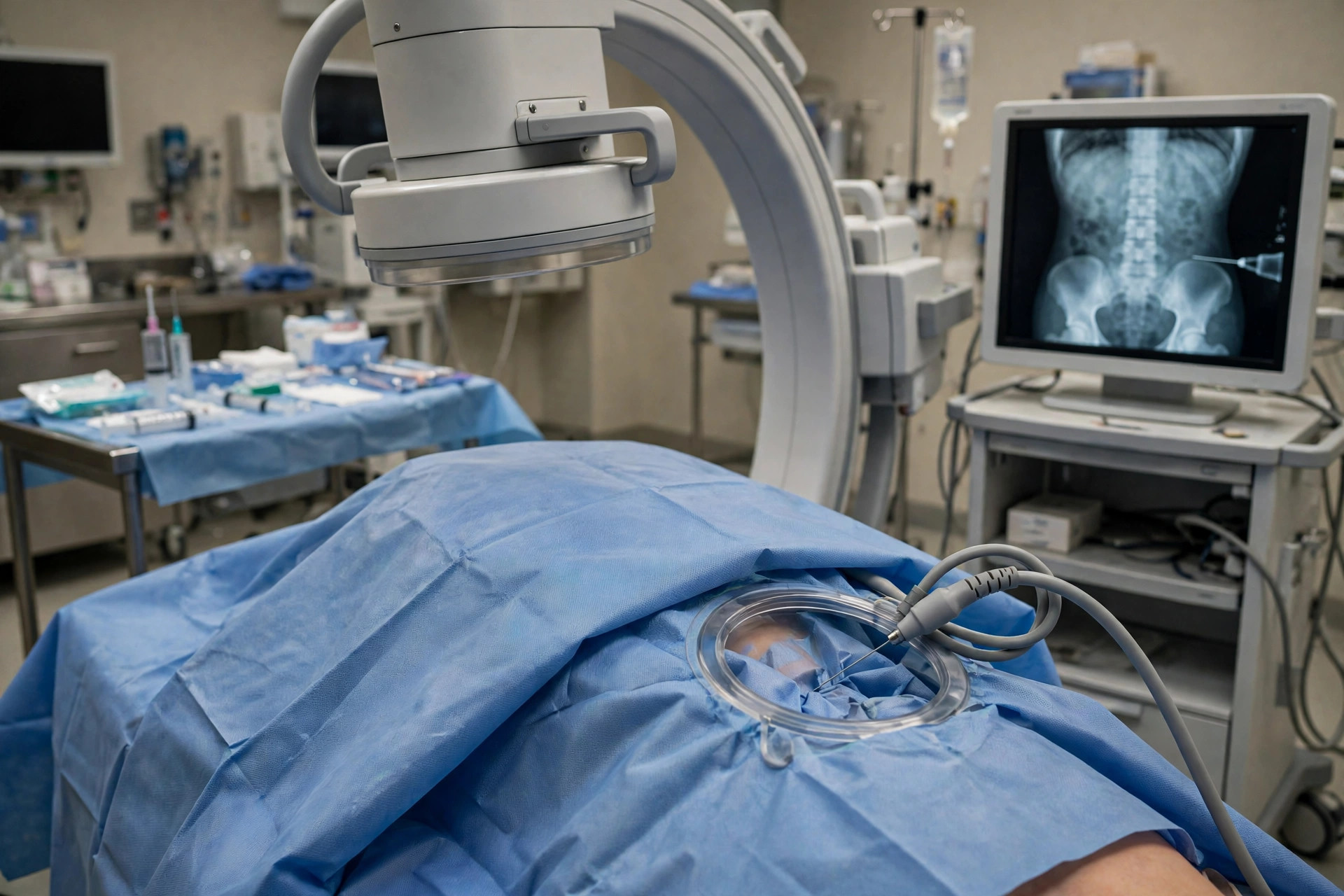 Radiofrequency denervation (RFA) for facet joint painMinor Procedures & Pain
 Removal of foreign bodies (ear, nose, eye, skin)Minor Procedures & Pain
 Shave biopsy of skin lesionsMinor Procedures & Pain
 Skin lesion excision (cysts, lipomas, dermatofibromas)Minor Procedures & Pain
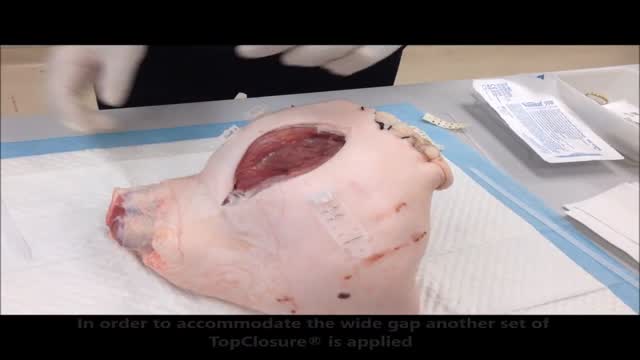 Suturing (stitches) for cuts and woundsMinor Procedures & Pain
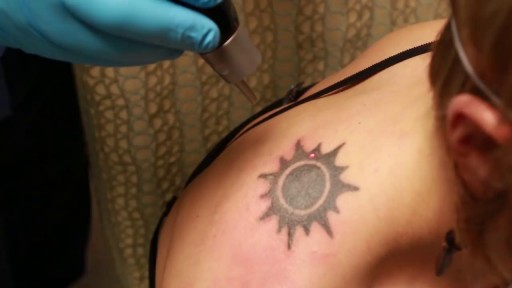 Tattoo and lesion removal by laser (dermatology)Minor Procedures & Pain
 Trigger point injectionsMinor Procedures & Pain
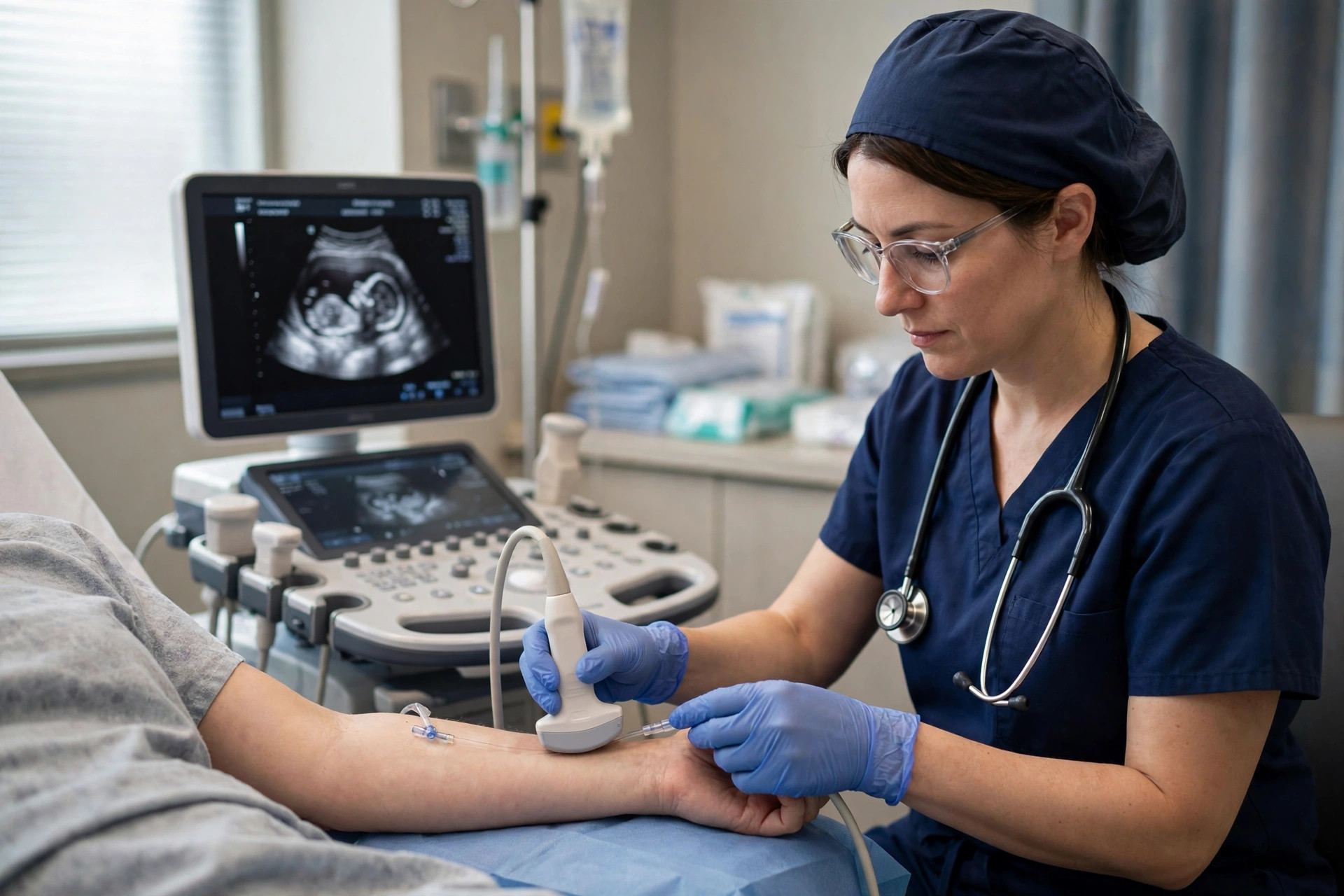 Vascular access: PICC line insertionMinor Procedures & Pain
 Wart and verruca treatment (cryotherapy / curettage)Minor Procedures & Pain
 Wound debridementMinor Procedures & Pain
| Procedure / test | Category | What it is |
|---|---|---|
| Acupuncture and dry needling (clinical context) | Minor Procedures & Pain | Acupuncture inserts very fine needles at defined points for pain and symptom management; dry needling targets myofascial trigger points. Both are used as adjuncts in chronic pain care, headache and musculoskeletal problems, usually within physiotherapy or pain clinics. |
| Botox for chronic migraine | Minor Procedures & Pain | Botulinum toxin (Botox) is licensed for preventing chronic migraine in adults — meaning headaches on 15 or more days a month, with at least eight being migraine days — when other preventives have not worked or are not tolerated. It is given as a series of small injections in the head and neck every 12 weeks. |
| Casting and splinting for fractures | Minor Procedures & Pain | Casting and splinting immobilise a broken or injured bone or joint while it heals. A splint supports without fully encircling (useful when swelling is expected); a full cast encircles the limb and is applied once swelling settles. Modern casts use fibreglass (light, water-tolerant) or traditional plaster of Paris. |
| Cryotherapy for skin lesions (seborrheic keratoses, actinic keratoses) | Minor Procedures & Pain | Cryotherapy freezes benign or precancerous skin lesions with liquid nitrogen: seborrheic keratoses (warty age-related growths), actinic keratoses (rough sun-damage patches that can rarely progress), and some other small lesions. |
| Ear grommet insertion (myringotomy with tubes) | Minor Procedures & Pain | Grommets (ventilation tubes) are tiny tubes inserted through the eardrum after a small cut (myringotomy) to let air into the middle ear, equalise pressure, drain fluid and prevent recurrent infections. They are commonly used in children with persistent glue ear. |
| Ear wax removal (microsuction / irrigation) | Minor Procedures & Pain | Ear wax removal clears impacted wax causing hearing loss, discomfort, a blocked feeling, ringing, or preventing examination of the eardrum. Microsuction (gentle suction under a microscope) is the most widely used clinic method; irrigation (flushing with warm water) and manual removal with instruments are alternatives. |
| Frenuloplasty / frenotomy (tongue-tie division) | Minor Procedures & Pain | A frenotomy divides the thin band (lingual frenulum) under the tongue in babies with tongue-tie (ankyloglossia) when it interferes with feeding; a frenuloplasty is a more formal release and repair used in older children or adults with significant restriction. |
| Gastric band adjustments and other minor procedures | Minor Procedures & Pain | This page covers minor procedures in bariatric follow-up: gastric band adjustments (adding or removing saline through the port under the skin to tighten or loosen an adjustable gastric band), which are the routine follow-up of band surgery. |
| Incision and drainage (I&D) of an abscess | Minor Procedures & Pain | Incision and drainage (I&D) opens a skin abscess — a walled-off collection of pus — and lets it drain. It is the main treatment for a formed abscess; antibiotics alone usually cannot penetrate the pus collection. |
| Ingrowing toenail surgery (partial nail avulsion) | Minor Procedures & Pain | Surgery for an ingrowing toenail removes the offending edge (and sometimes a wedge of the nail bed) to stop the nail piercing the surrounding skin. A chemical (phenol) is often applied to the nail bed to prevent that edge regrowing — the most reliable lasting treatment for recurrent cases. |
| Joint injection (corticosteroid / hyaluronic acid) | Minor Procedures & Pain | A joint injection places medicine directly into a joint space: corticosteroid to dampen inflammation (for arthritis flare or bursitis), or hyaluronic acid (a joint-lubricant preparation) mainly for knee osteoarthritis. Injections are often ultrasound-guided to confirm placement. |
| Mole removal (excision) | Minor Procedures & Pain | Mole removal by excision cuts out a mole (and usually a small margin of normal skin) under local anaesthetic and sends it to the laboratory — the diagnostic standard when a mole looks suspicious or when removal is requested for medical reasons. |
| Nasal cautery for nosebleeds | Minor Procedures & Pain | Nasal cautery seals a bleeding blood vessel inside the nose, usually at the front of the nasal septum (Little's area), using a chemical (silver nitrate stick) or an electric/heat cautery device, often under endoscopic view. |
| Nerve blocks for chronic pain (including facet joint and epidural) | Minor Procedures & Pain | Nerve blocks for chronic pain place local anaesthetic (sometimes with steroid) near a nerve or joint to reduce pain and help diagnosis — for example facet joint injections (small spinal joints in back pain), medial branch blocks (the nerves supplying those joints), epidural steroid injections (space around the spinal cord for leg pain from disc or stenosis), and peripheral nerve blocks. |
| Prostate massage and pelvic floor physiotherapy | Minor Procedures & Pain | Pelvic floor physiotherapy is a non-surgical treatment for urinary incontinence, pelvic organ prolapse symptoms, chronic pelvic pain and recovery after prostate surgery. It involves assessment of the pelvic floor muscles and a supervised exercise programme, sometimes with biofeedback or electrical stimulation. |
| Radiofrequency denervation (RFA) for facet joint pain | Minor Procedures & Pain | Radiofrequency denervation uses heat from a needle electrode to temporarily disable the small nerves (medial branches) that carry pain from facet joints in the neck or back. It is usually offered after diagnostic blocks confirm that the facet joint is the pain source. |
| Removal of foreign bodies (ear, nose, eye, skin) | Minor Procedures & Pain | Foreign bodies are removed from ears, noses, eyes and skin in clinic or emergency care using instruments under direct vision, suction, magnets (for some metal objects), or gentle irrigation — the method depends on the object and location. |
| Shave biopsy of skin lesions | Minor Procedures & Pain | A shave biopsy removes a raised skin lesion by shaving it off flush with the skin surface using a scalpel blade, under local anaesthetic, and sends the specimen for laboratory examination. No stitches are needed. |
| Skin lesion excision (cysts, lipomas, dermatofibromas) | Minor Procedures & Pain | Minor surgical excision removes common benign lumps — epidermoid (sebaceous) cysts, lipomas (fatty lumps) and other skin lesions — through a small cut under local anaesthetic. The lump is dissected out and the wound stitched; the specimen is usually sent to the laboratory. |
| Suturing (stitches) for cuts and wounds | Minor Procedures & Pain | Suturing closes a cut with stitches so the skin edges heal together, used when a wound is deep, gaping, on a cosmetically important area, or likely to keep bleeding. Alternatives for suitable wounds include adhesive strips (Steri-Strips), tissue glue, or staples. |
| Tattoo and lesion removal by laser (dermatology) | Minor Procedures & Pain | Laser removal uses short pulses of laser light matched to the target colour to break tattoo pigment (or pigmented lesions) into particles the body clears gradually. It is the standard method for unwanted tattoos and some benign pigmented lesions. |
| Trigger point injections | Minor Procedures & Pain | A trigger point injection places a small amount of local anaesthetic (sometimes with corticosteroid) into a tight, tender knot in a muscle — a trigger point — to relax it and relieve local and referred muscle pain. |
| Vascular access: PICC line insertion | Minor Procedures & Pain | A PICC (peripherally inserted central catheter) is a long, thin tube inserted through a vein in the upper arm and advanced so its tip sits in a large vein near the heart. It provides reliable access for weeks to months of intravenous antibiotics, chemotherapy, fluids or nutrition. |
| Wart and verruca treatment (cryotherapy / curettage) | Minor Procedures & Pain | Warts (including verrucae on the soles) are treated with cryotherapy (liquid nitrogen freezing), curettage (scraping), acids, or minor excision. Freezing is the most common clinic treatment and works by destroying the wart tissue so the body can clear the virus. |
| Wound debridement | Minor Procedures & Pain | Wound debridement removes dead or infected tissue (slough, necrosis) and biofilm from a wound so healthy healing can proceed. Methods include sharp debridement (scissors/scalpel by a trained clinician), autolytic dressings, larval (maggot) therapy, enzymatic agents and mechanical pads. |
Please note: This page is educational information about a medical procedure or test. It does not replace the instructions of your own care team, who know your situation and whose preparation, fasting and medication advice you should follow if it differs from anything here. If you have symptoms that worry you, or an appointment you do not understand, contact your clinical team.