
- Physical Examination
- Surgical Examination
- Ophthalmology
- Clinical Skills
- Orthopedics
- Surgery Videos
- Laparoscopy
- Pediatrics
- Funny Videos
- Cardiothoracic Surgery
- Nursing Videos
- Plastic Surgery
- Otorhinolaryngology
- Histology and Histopathology
- Neurosurgery
- Dermatology
- Pediatric Surgery
- Urology
- Dentistry
- Oncology and Cancers
- Anatomy Videos
- Health and Fitness
- Radiology
- Anaesthesia
- Physical Therapy
- Pharmacology
- Interventional Radiology
- Cardiology
- Endocrinology
- Gynecology
- Emergency Medicine
- Psychiatry and Psychology
- Childbirth Videos
- General Medical Videos
- Nephrology
- Physiology
- Diet and Food Health
- Diabetes Mellitus
- Neurology
- Women Health
- Osteoporosis
- Gastroenterology
- Pulmonology
- Hematology
- Rheumatology
- Toxicology
- Nuclear Medicine
- Infectious Diseases
- Vascular Disease
- Reproductive Health
- Burns and Wound Healing
- Kidney Zone Podcast
- Other
Paracentesis (ascitic tap / drain)
Category: Kidney & Dialysis Procedures · All kidney & dialysis procedures
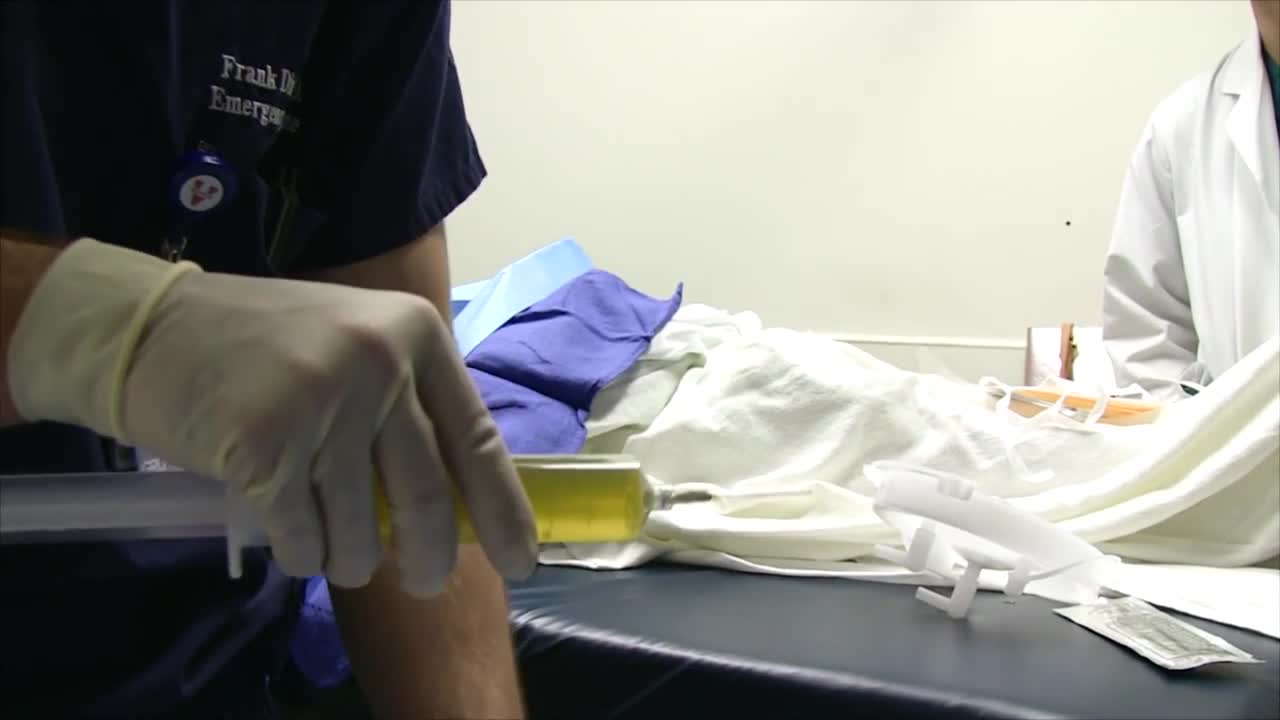
What it is
Paracentesis removes fluid that has collected in the abdomen (ascites) using a needle or a temporary drain, usually guided by ultrasound. A small sample (diagnostic tap) helps find the cause; a large-volume drain relieves breathlessness and discomfort from a tense abdomen.
Why it is done
Ascites most often relates to liver disease, but also heart failure, kidney problems (including nephrotic syndrome and dialysis patients), infection and cancer. The tap tests the fluid for infection, cells and chemistry to guide treatment.
How to prepare
An ultrasound confirms the fluid pocket and safe site. Blood tests including clotting and platelets are checked; blood thinners are reviewed. For large-volume drainage, albumin (a protein fluid) is often given through a drip to protect circulation and kidney function as the fluid comes off.
What happens during the procedure
After numbing the skin, the needle or drain is inserted into the abdomen and fluid flows to a collection bag. A diagnostic sample takes minutes; a large-volume drain is clamped intermittently and typically runs over several hours under observation with blood pressure checks.
Afterwards — recovery & results
Most people feel more comfortable and breathe easier straight away. The drain is removed the same day in most cases. Fluid often re-accumulates if the cause persists — your team manages this with salt restriction, diuretics or repeat drainage plans. Seek help for fever, abdominal pain, leakage or dizziness afterwards.
Risks & considerations
Risks include leakage from the puncture site, bleeding, infection of the fluid, low blood pressure and kidney strain after very large removals (reduced by albumin cover and controlled rates), and rarely injury to bowel. Ultrasound guidance has improved safety.
Watch: Paracentesis (ascitic tap / drain) videos
Real procedure videos from the MedicalVideos.com library. Some clinical footage is graphic — that is the nature of a medical video library.
Related guides on MedicalVideos.com
Frequently asked questions
Why test the fluid every time sometimes?
People with ascites can develop infection in the fluid (spontaneous bacterial peritonitis) with few symptoms; checking cell counts catches it early when it is very treatable.
Will the fluid keep coming back?
Often, yes, until the underlying cause is controlled. The long-term plan — diuretics, TIPS in liver disease, dialysis review, or cancer treatment — is what changes the trajectory.
Related procedures — Kidney & Dialysis Procedures
Browse the P section of the A–Z list or return to the Procedures & Tests hub.