
- Physical Examination
- Surgical Examination
- Ophthalmology
- Clinical Skills
- Orthopedics
- Surgery Videos
- Laparoscopy
- Pediatrics
- Funny Videos
- Cardiothoracic Surgery
- Nursing Videos
- Plastic Surgery
- Otorhinolaryngology
- Histology and Histopathology
- Neurosurgery
- Dermatology
- Pediatric Surgery
- Urology
- Dentistry
- Oncology and Cancers
- Anatomy Videos
- Health and Fitness
- Radiology
- Anaesthesia
- Physical Therapy
- Pharmacology
- Interventional Radiology
- Cardiology
- Endocrinology
- Gynecology
- Emergency Medicine
- Psychiatry and Psychology
- Childbirth Videos
- General Medical Videos
- Nephrology
- Physiology
- Diet and Food Health
- Diabetes Mellitus
- Neurology
- Women Health
- Osteoporosis
- Gastroenterology
- Pulmonology
- Hematology
- Rheumatology
- Toxicology
- Nuclear Medicine
- Infectious Diseases
- Vascular Disease
- Reproductive Health
- Burns and Wound Healing
- Kidney Zone Podcast
- Other
Kidney & Dialysis Procedures
Kidney and dialysis procedures: haemodialysis and peritoneal dialysis, the operations that create dialysis access, kidney biopsy, transplantation, kidney removal, and the operations and drains that treat kidney stones and blocked kidneys.
This page lists all 13 of them in the guide. Open any procedure for preparation, step-by-step what happens, recovery advice and frequently asked questions.
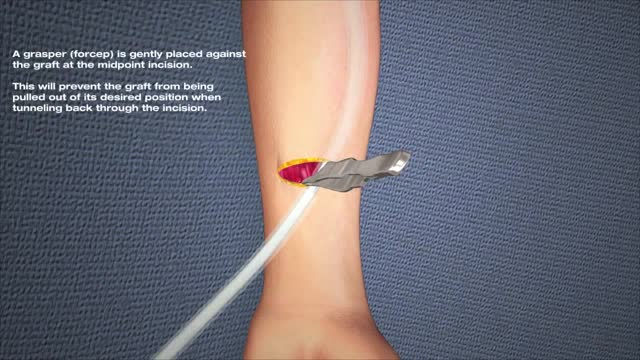 Dialysis fistula creation (AV fistula surgery)Kidney & Dialysis
 HaemodialysisKidney & Dialysis
 Kidney biopsyKidney & Dialysis
 Kidney stone surgery (ureteroscopy and laser)Kidney & Dialysis
 Kidney transplant surgeryKidney & DialysisNative nephrectomy (kidney removal)Kidney & Dialysis
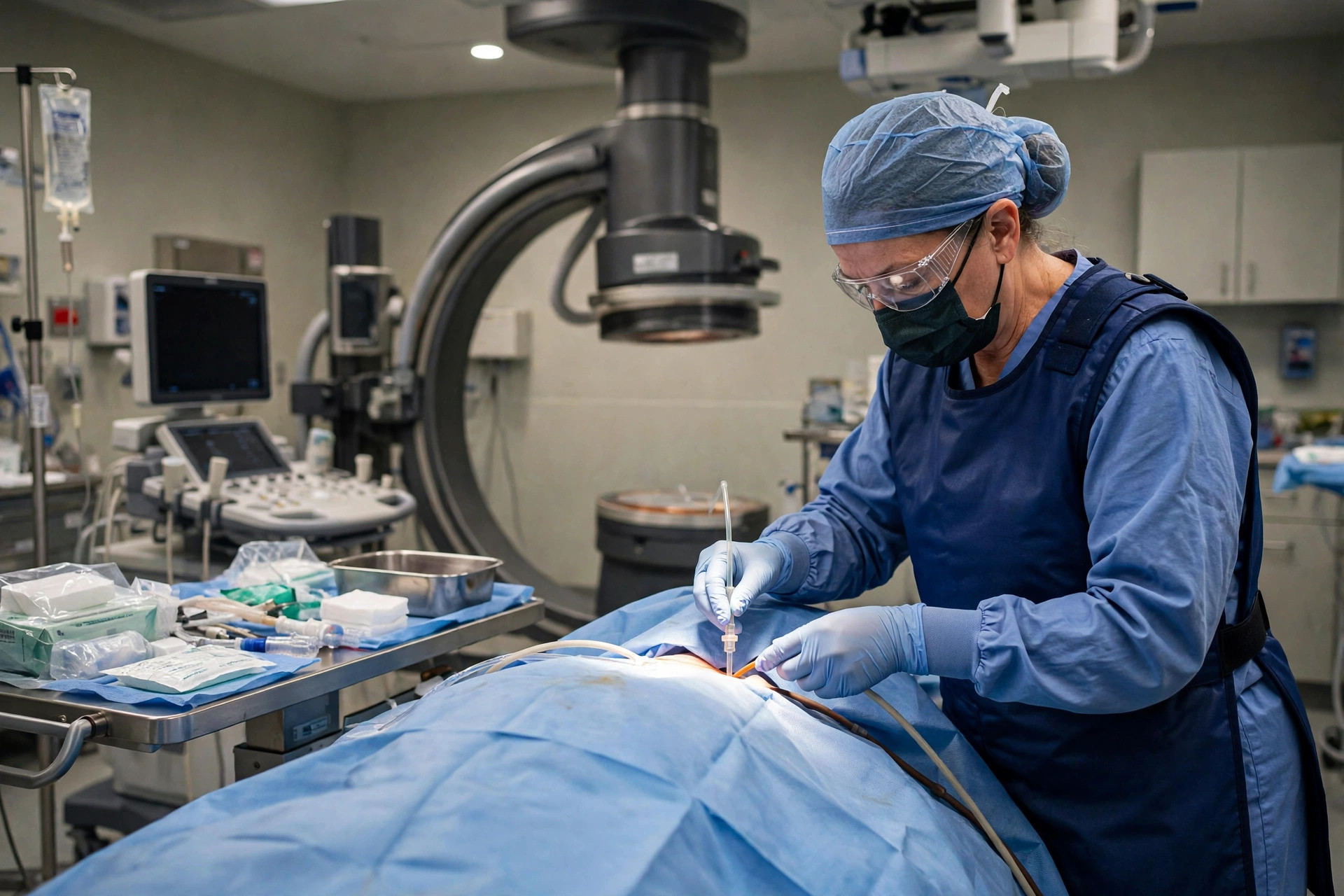 Nephrostomy insertionKidney & Dialysis
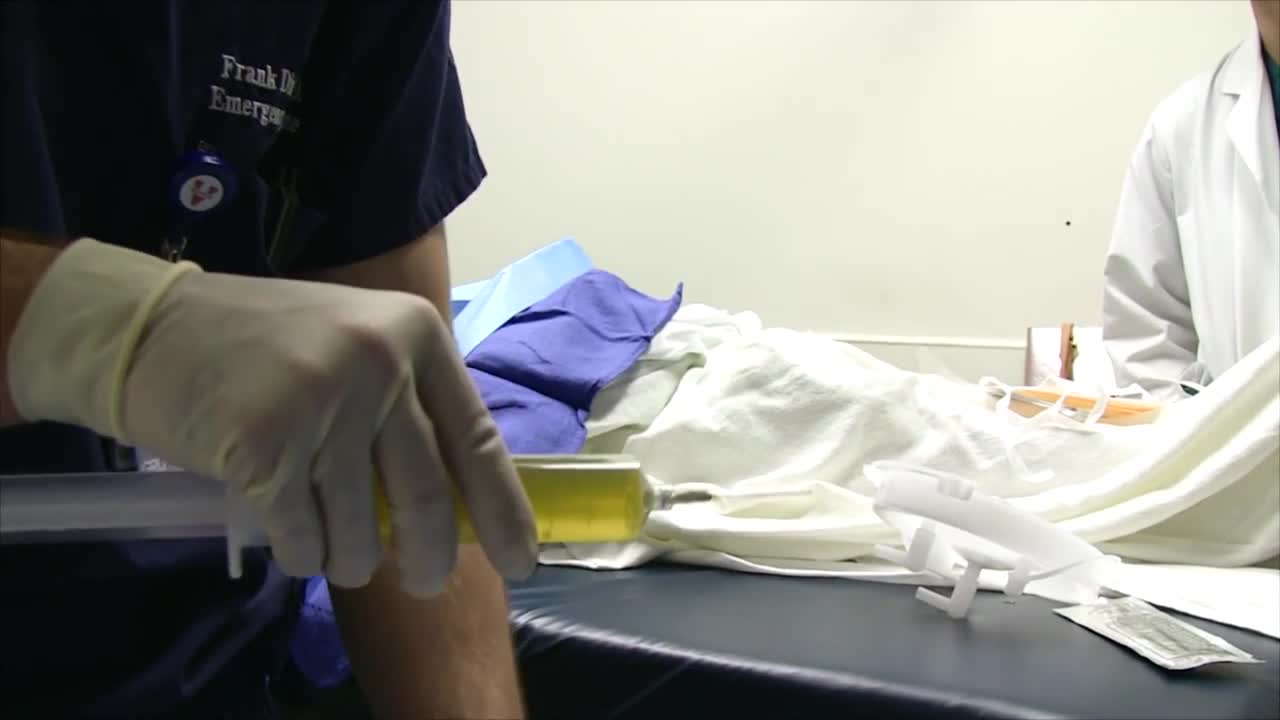 Paracentesis (ascitic tap / drain)Kidney & Dialysis
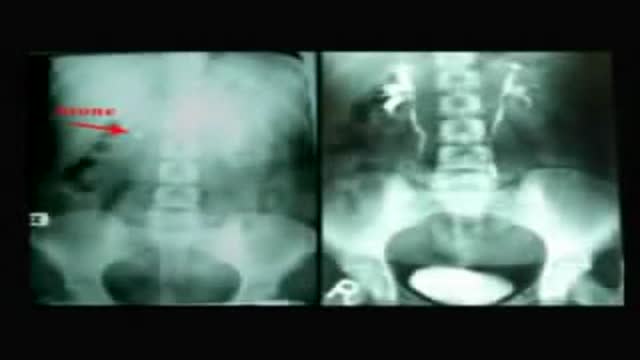 Percutaneous nephrolithotomy (PCNL)Kidney & Dialysis
 Peritoneal dialysis (PD)Kidney & Dialysis
 Plasma exchange (plasmapheresis)Kidney & Dialysis
 Shockwave lithotripsy (ESWL)Kidney & Dialysis
 Tunnelled dialysis line insertionKidney & Dialysis
| Procedure / test | Category | What it is |
|---|---|---|
| Dialysis fistula creation (AV fistula surgery) | Kidney & Dialysis | This operation joins an artery directly to a vein, usually in the arm. Over the following weeks the vein enlarges and strengthens ('matures') under the higher blood flow, creating a durable access that needles can be placed into for haemodialysis. |
| Haemodialysis | Kidney & Dialysis | Haemodialysis is a treatment that cleans the blood when the kidneys can no longer do so adequately. Blood flows from the body through a filter (dialyser) on a machine, where waste and excess fluid are removed, and returns cleaned. Most people have sessions of about four hours, three times a week. |
| Kidney biopsy | Kidney & Dialysis | A kidney biopsy takes a tiny core of kidney tissue with a needle, guided by ultrasound, so it can be examined under the microscope. It is the most precise way to diagnose many kidney diseases and to guide treatment, including after transplantation. |
| Kidney stone surgery (ureteroscopy and laser) | Kidney & Dialysis | Ureteroscopy passes a thin telescope through the bladder into the ureter and kidney to see a stone directly. A laser fibre breaks the stone into dust or fragments, which are washed out or removed with a tiny basket. A soft stent (JJ stent) is often left temporarily to keep the ureter draining. |
| Kidney transplant surgery | Kidney & Dialysis | Kidney transplantation places a healthy kidney from a living or deceased donor into a person with kidney failure. The new kidney is usually placed in the front of the pelvis (not where the natural kidneys sit) and connected to the leg blood vessels and the bladder. |
| Native nephrectomy (kidney removal) | Kidney & Dialysis | A nephrectomy is an operation to remove a kidney, either partially (partial nephrectomy — removing a tumour with a margin, preserving the rest) or completely (radical/simple nephrectomy). Most are done by keyhole or robotic surgery; some need an open operation. |
| Nephrostomy insertion | Kidney & Dialysis | A nephrostomy is a thin tube placed through the skin of the back directly into the kidney to drain urine to a bag outside the body. It bypasses a blockage in the ureter (the tube from kidney to bladder). |
| Paracentesis (ascitic tap / drain) | Kidney & Dialysis | Paracentesis removes fluid that has collected in the abdomen (ascites) using a needle or a temporary drain, usually guided by ultrasound. A small sample (diagnostic tap) helps find the cause; a large-volume drain relieves breathlessness and discomfort from a tense abdomen. |
| Percutaneous nephrolithotomy (PCNL) | Kidney & Dialysis | PCNL removes large or complex kidney stones through a small track made from the skin of the back directly into the kidney. Instruments passed through the track break up and remove the stone under direct vision. |
| Peritoneal dialysis (PD) | Kidney & Dialysis | Peritoneal dialysis uses the lining of your abdomen (peritoneum) as a natural filter. Dialysis fluid is run into the abdomen through a permanent soft tube (catheter), dwells there while waste and fluid pass into it from the blood, and is then drained and replaced. It is done at home — either as manual exchanges through the day (CAPD) or by a machine overnight (APD). |
| Plasma exchange (plasmapheresis) | Kidney & Dialysis | Plasma exchange removes the liquid part of your blood (plasma) — which may contain harmful antibodies or proteins — and replaces it with donor plasma or a protein solution (albumin). Blood is drawn through a line, separated by a machine, and the blood cells are returned with the replacement fluid. |
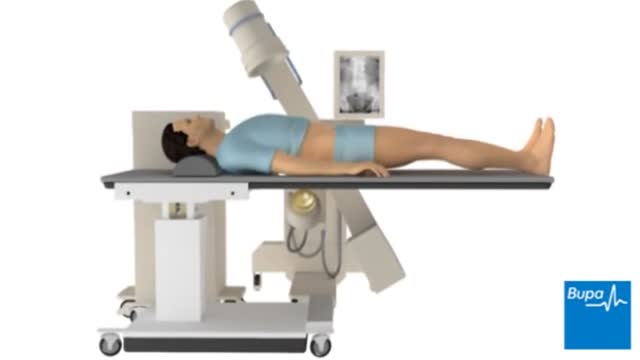
| Shockwave lithotripsy (ESWL) | Kidney & Dialysis | Shockwave lithotripsy focuses high-energy sound waves from outside the body onto a kidney stone, breaking it into small fragments that can pass naturally in the urine over the following days to weeks. |
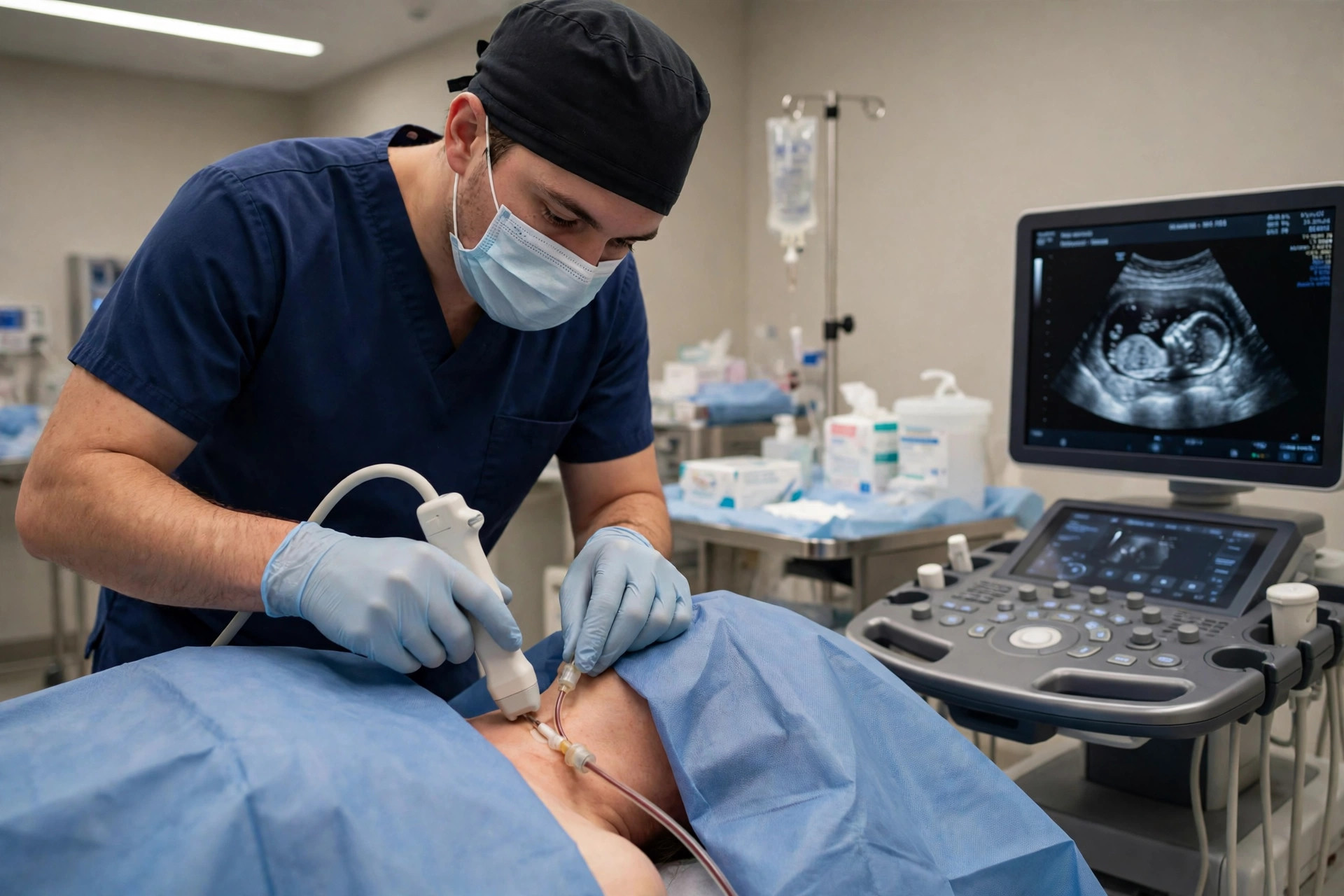
| Tunnelled dialysis line insertion | Kidney & Dialysis | A tunnelled dialysis line is a soft tube placed into a large vein in the neck (sometimes groin) with its tip in the big vein near the heart. Part of the tube runs under the skin ('tunnelled') with a cuff that anchors it and reduces infection risk. It allows dialysis to start straight away. |
Please note: This page is educational information about a medical procedure or test. It does not replace the instructions of your own care team, who know your situation and whose preparation, fasting and medication advice you should follow if it differs from anything here. If you have symptoms that worry you, or an appointment you do not understand, contact your clinical team.