
- Physical Examination
- Surgical Examination
- Ophthalmology
- Clinical Skills
- Orthopedics
- Surgery Videos
- Laparoscopy
- Pediatrics
- Funny Videos
- Cardiothoracic Surgery
- Nursing Videos
- Plastic Surgery
- Otorhinolaryngology
- Histology and Histopathology
- Neurosurgery
- Dermatology
- Pediatric Surgery
- Urology
- Dentistry
- Oncology and Cancers
- Anatomy Videos
- Health and Fitness
- Radiology
- Anaesthesia
- Physical Therapy
- Pharmacology
- Interventional Radiology
- Cardiology
- Endocrinology
- Gynecology
- Emergency Medicine
- Psychiatry and Psychology
- Childbirth Videos
- General Medical Videos
- Nephrology
- Physiology
- Diet and Food Health
- Diabetes Mellitus
- Neurology
- Women Health
- Osteoporosis
- Gastroenterology
- Pulmonology
- Hematology
- Rheumatology
- Toxicology
- Nuclear Medicine
- Infectious Diseases
- Vascular Disease
- Reproductive Health
- Burns and Wound Healing
- Kidney Zone Podcast
- Other
Kidney biopsy
Category: Kidney & Dialysis Procedures · All kidney & dialysis procedures
What it is
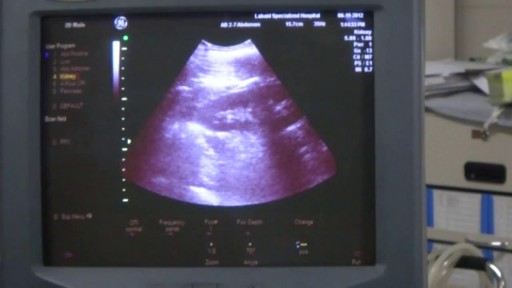
A kidney biopsy takes a tiny core of kidney tissue with a needle, guided by ultrasound, so it can be examined under the microscope. It is the most precise way to diagnose many kidney diseases and to guide treatment, including after transplantation.
Why it is done
It is recommended when the cause of kidney problems is unclear — for example unexplained kidney failure, blood and protein in the urine suggesting inflammation, nephrotic syndrome, or suspected rejection or disease recurrence in a transplant kidney.
How to prepare
You will have blood tests (including clotting and blood group), blood pressure control, and a review of blood thinners, which are usually paused. An ultrasound checks kidney size and position. You will usually stay in hospital for observation afterwards — often overnight, sometimes just a day with several hours of bed rest.
What happens during the procedure
You lie on your front (for a transplant kidney, on your back). After an ultrasound scan, the skin and track are numbed with local anaesthetic; you may be asked to hold your breath briefly while the spring-loaded needle takes one to three cores — you hear a click and feel pressure. It takes about 20 to 30 minutes.
Afterwards — recovery & results
You rest in bed for several hours with regular blood pressure and pulse checks and inspection of your urine for blood. Visible blood in the urine for a day or two is common and usually settles with rest and fluids. Avoid heavy lifting and strenuous exercise for about a week. Results take several days to two weeks, as special stains and microscopy are needed.
Risks & considerations
The main risk is bleeding — usually minor and self-limiting, occasionally needing transfusion or, rarely, a procedure or operation to stop it. Other risks include infection and a small chance the sample is insufficient, occasionally requiring a repeat. Your team will explain your individual risk, which depends on blood pressure, kidney function and clotting.
Watch: Kidney biopsy videos
Real procedure videos from the MedicalVideos.com library. Some clinical footage is graphic — that is the nature of a medical video library.
Related guides on MedicalVideos.com
Frequently asked questions
Will it hurt?
Local anaesthetic stings briefly; during the biopsy most people feel pressure or a dull push. Pain relief is available afterwards for back ache, which is common and mild.
Why can't blood tests tell you the same?
Blood and urine tests suggest categories of disease, but many different diseases look alike in tests while needing very different treatments. The biopsy shows the actual tissue diagnosis and how much scarring is present.
Related procedures — Kidney & Dialysis Procedures
Browse the K section of the A–Z list or return to the Procedures & Tests hub.