
- Physical Examination
- Surgical Examination
- Ophthalmology
- Clinical Skills
- Orthopedics
- Surgery Videos
- Laparoscopy
- Pediatrics
- Funny Videos
- Cardiothoracic Surgery
- Nursing Videos
- Plastic Surgery
- Otorhinolaryngology
- Histology and Histopathology
- Neurosurgery
- Dermatology
- Pediatric Surgery
- Urology
- Dentistry
- Oncology and Cancers
- Anatomy Videos
- Health and Fitness
- Radiology
- Anaesthesia
- Physical Therapy
- Pharmacology
- Interventional Radiology
- Cardiology
- Endocrinology
- Gynecology
- Emergency Medicine
- Psychiatry and Psychology
- Childbirth Videos
- General Medical Videos
- Nephrology
- Physiology
- Diet and Food Health
- Diabetes Mellitus
- Neurology
- Women Health
- Osteoporosis
- Gastroenterology
- Pulmonology
- Hematology
- Rheumatology
- Toxicology
- Nuclear Medicine
- Infectious Diseases
- Vascular Disease
- Reproductive Health
- Burns and Wound Healing
- Kidney Zone Podcast
- Other
Shockwave lithotripsy (ESWL)
Category: Kidney & Dialysis Procedures · All kidney & dialysis procedures
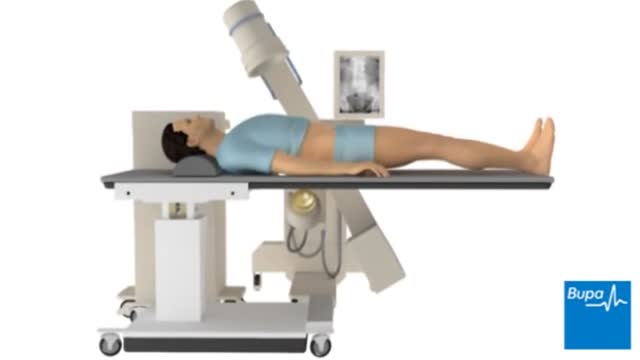
What it is
Shockwave lithotripsy focuses high-energy sound waves from outside the body onto a kidney stone, breaking it into small fragments that can pass naturally in the urine over the following days to weeks.
Why it is done
It suits many kidney stones of moderate size and some ureteric stones, particularly where a non-invasive approach is preferred. Success depends on stone size, position and hardness, and body habitus.
How to prepare
You will have imaging to confirm the stone can be targeted, urine infection excluded or treated, and blood thinners reviewed. You may be asked to fast if sedation is planned. Pain relief and sometimes sedation are given for the treatment session.
What happens during the procedure
You lie on the treatment table and the lithotripter head is positioned against your back or abdomen with gel. X-ray or ultrasound locates the stone, and a series of shockwaves is delivered — felt as tapping or flicking sensations. A session takes about 30 to 45 minutes.
Afterwards — recovery & results
You usually go home the same day. Passing fragments can cause colic-type pain and blood in the urine for a few days; drinking well helps. You may be asked to strain urine to catch a fragment for analysis. A follow-up scan checks clearance; some stones need repeat sessions or ureteroscopy instead.
Risks & considerations
Risks include bruising of the skin and kidney, blood in the urine, fragments obstructing the ureter as they pass (steinstrasse), infection, and incomplete fragmentation. Rarely, blood pressure or diabetes effects have been debated; your urologist will discuss suitability.
Watch: Shockwave lithotripsy (ESWL) videos
Real procedure videos from the MedicalVideos.com library. Some clinical footage is graphic — that is the nature of a medical video library.
Related guides on MedicalVideos.com
Frequently asked questions
Is it painful?
Most people manage with painkillers and sometimes sedation; the sensation is like repeated flicks or taps. Tell the team if pain is too much — settings can be adjusted.
How do I know it worked?
Follow-up imaging (X-ray or scan) at a few weeks checks whether the stone has fragmented and cleared. Symptoms alone are not reliable.
Related procedures — Kidney & Dialysis Procedures
Browse the S section of the A–Z list or return to the Procedures & Tests hub.