
- Physical Examination
- Surgical Examination
- Ophthalmology
- Clinical Skills
- Orthopedics
- Surgery Videos
- Laparoscopy
- Pediatrics
- Funny Videos
- Cardiothoracic Surgery
- Nursing Videos
- Plastic Surgery
- Otorhinolaryngology
- Histology and Histopathology
- Neurosurgery
- Dermatology
- Pediatric Surgery
- Urology
- Dentistry
- Oncology and Cancers
- Anatomy Videos
- Health and Fitness
- Radiology
- Anaesthesia
- Physical Therapy
- Pharmacology
- Interventional Radiology
- Cardiology
- Endocrinology
- Gynecology
- Emergency Medicine
- Psychiatry and Psychology
- Childbirth Videos
- General Medical Videos
- Nephrology
- Physiology
- Diet and Food Health
- Diabetes Mellitus
- Neurology
- Women Health
- Osteoporosis
- Gastroenterology
- Pulmonology
- Hematology
- Rheumatology
- Toxicology
- Nuclear Medicine
- Infectious Diseases
- Vascular Disease
- Reproductive Health
- Burns and Wound Healing
- Kidney Zone Podcast
- Other
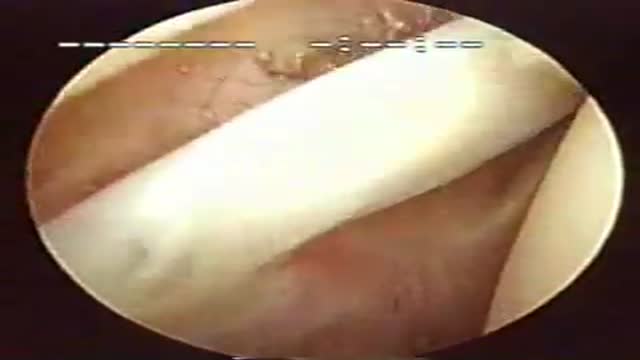
Shoulder arthroscopy and rotator cuff repair
Category: Bone, Joint & Spine Procedures · All bone, joint & spine procedures
What it is
Shoulder arthroscopy uses a keyhole camera to inspect and treat the shoulder joint and the space above it. Rotator cuff repair reattaches torn shoulder tendons to the bone using anchors and stitches passed arthroscopically.
Why it is done
It is used for rotator cuff tears causing pain and weakness, persistent impingement, some instability and frozen shoulder problems that have not settled with physiotherapy and injections.
How to prepare
You will have scans (often MRI or ultrasound), assessment and fasting. Because your arm will be in a sling afterwards, plan loose front-opening clothes and help with daily tasks for the first weeks.
What happens during the procedure
Under general anaesthetic (often combined with a nerve block), the camera enters through small cuts; torn tendon edges are freshened and fixed back to the bone with anchors. Other problems such as bone spurs or biceps tendon issues can be addressed in the same operation. It takes about one to two hours.
Afterwards — recovery & results
You will wear a sling for several weeks as tendon healing is slow; physiotherapy progresses from passive movement to active exercises to strengthening over three to six months. Driving and lifting wait until your surgeon and physiotherapist agree. Full recovery of strength commonly takes six to twelve months for larger tears.
Risks & considerations
Risks include infection, stiffness (a major one for shoulders), nerve or vessel injury, anchor problems, and re-tear of the repair — more likely with large or longstanding tears. Your surgeon will set expectations based on tear size and tissue quality.
Watch: Shoulder arthroscopy and rotator cuff repair videos
Real procedure videos from the MedicalVideos.com library. Some clinical footage is graphic — that is the nature of a medical video library.
Frequently asked questions
Why does recovery take so long when the cuts are tiny?
The operation is keyhole but the tendon must biologically heal to bone, which takes months. The sling and graded physio protect that healing.
Will my strength come back fully?
Many people regain good strength, but very large chronic tears may not recover completely even with successful repair. Early repair of suitable tears tends to give better results.
Related procedures — Bone, Joint & Spine Procedures
Browse the S section of the A–Z list or return to the Procedures & Tests hub.