
- Physical Examination
- Surgical Examination
- Ophthalmology
- Clinical Skills
- Orthopedics
- Surgery Videos
- Laparoscopy
- Pediatrics
- Funny Videos
- Cardiothoracic Surgery
- Nursing Videos
- Plastic Surgery
- Otorhinolaryngology
- Histology and Histopathology
- Neurosurgery
- Dermatology
- Pediatric Surgery
- Urology
- Dentistry
- Oncology and Cancers
- Anatomy Videos
- Health and Fitness
- Radiology
- Anaesthesia
- Physical Therapy
- Pharmacology
- Interventional Radiology
- Cardiology
- Endocrinology
- Gynecology
- Emergency Medicine
- Psychiatry and Psychology
- Childbirth Videos
- General Medical Videos
- Nephrology
- Physiology
- Diet and Food Health
- Diabetes Mellitus
- Neurology
- Women Health
- Osteoporosis
- Gastroenterology
- Pulmonology
- Hematology
- Rheumatology
- Toxicology
- Nuclear Medicine
- Infectious Diseases
- Vascular Disease
- Reproductive Health
- Burns and Wound Healing
- Kidney Zone Podcast
- Other
Falls Prevention in Older Adults
Falls are the leading cause of injury in older adults, and many are preventable. The USPSTF recommends exercise interventions for community-dwelling adults 65 and over at increased risk of falls (grade B).
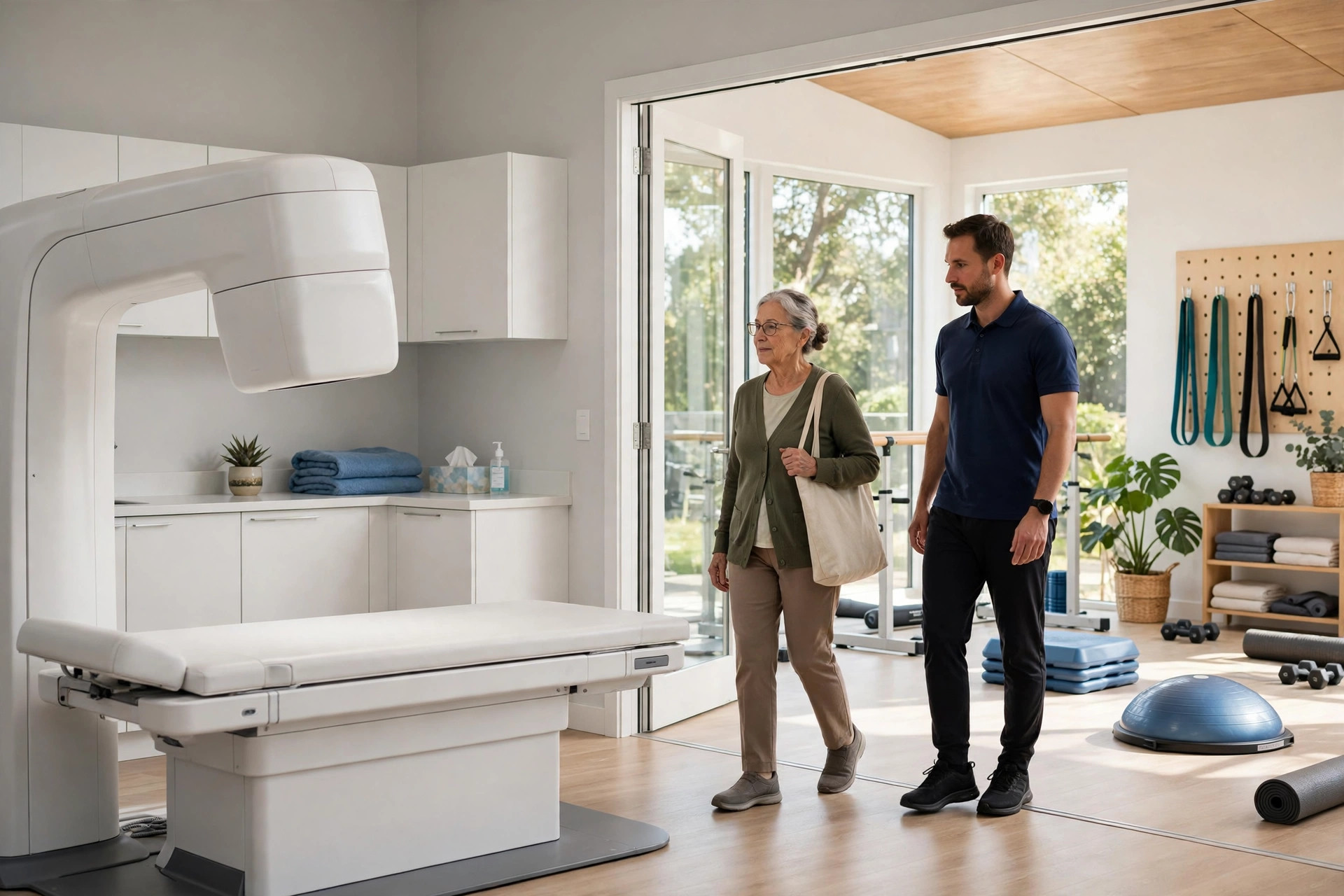
A fall in later life can cost independence: fractures, head injuries, fear of falling, and the loss of confidence that shrinks a person's world. Many falls are not bad luck — they follow identifiable risks such as muscle weakness, balance problems, certain medicines, poor vision and hazards at home.
The USPSTF recommends exercise interventions to prevent falls in community-dwelling adults aged 65 and older who are at increased risk (grade B, 2024). The screening step is a risk assessment — questions about previous falls and unsteadiness, and simple checks of strength and balance — which identifies who the programmes help most.
What this screening checks
- Your fall history: whether you have fallen in the past year, how often, and whether you were injured.
- Simple physical checks of gait, balance and leg strength, plus a review of medicines, vision, feet and the home environment — the common, fixable contributors.
Who should have it, and how often
Adults aged 65 and over who live at home (community-dwelling) and are at increased risk — for example anyone who has already fallen, feels unsteady, or has weak legs or balance problems.
If you have not fallen and feel steady, structured exercise for general health still helps; the targeted programmes are prioritised for those at increased risk.
A fall with injury, a fall you cannot explain (such as a blackout), or new unsteadiness needs a prompt diagnostic assessment, not just a prevention programme.
What happens during the test
- Risk assessment: questions about falls and confidence, a look at your medicines and vision, and simple balance and strength checks in the clinic.
- If you are at increased risk, you are offered an exercise intervention — typically a supervised programme of balance and functional exercises, and muscle strengthening, over a series of weeks, with home practice.
- Other contributors found in the assessment — a medicine that lowers blood pressure too far, an outdated glasses prescription, loose rugs and poor lighting at home — are addressed in parallel.
How to prepare
- Wear comfortable clothes and your usual walking shoes for the balance checks.
- Bring your medicine list — several common drug classes contribute to falls, and the review is a core part of the assessment.
- Be honest about near-falls and unsteadiness, not only falls that injured you; they carry the same warning.
What the results mean
There is no pass or fail — the assessment produces a risk picture and a plan: exercise, medicine adjustments, vision correction, home changes, or several together.
Progress is measured functionally: steadier gait, stronger legs, fewer falls — reviewed over the following months.
Benefits
- Exercise programmes reduce falls in at-risk older adults — protecting bones, independence and confidence.
- The assessment often finds quick wins: a medicine change, new glasses, a removed trip hazard.
- Benefits compound: strength and balance exercise also helps blood pressure, mood and sleep.
Limits and possible harms
- Exercise must be matched to ability; poorly chosen programmes can themselves cause falls or injury — supervision matters.
- Being labelled 'at risk of falls' can dent confidence if handled clumsily; the point of the label is support, not restriction.
- Home and medicine changes take effort to arrange and maintain.
Useful links and tools
More in Bone, Senses, Children & Older Adults
- Osteoporosis Screening (DXA Bone Density Scan)
- Vision Screening in Young Children
- Oral Health & Fluoride for Young Children
- Depression & Anxiety Screening in Children and Teenagers
Frequently asked questions
What does the USPSTF recommend to prevent falls?
Exercise interventions for community-dwelling adults aged 65 and over at increased risk of falls (grade B, 2024) — typically supervised programmes combining balance and functional exercises with strengthening, plus home practice. The first step is a risk assessment: your fall history, strength and balance, medicines, vision and home environment.
I have not fallen yet. Is this relevant to me?
Possibly. Increased risk is not only about past falls — feeling unsteady, weak legs, several medicines, poor vision and hazards at home all count. Mention unsteadiness or near-falls at your next appointment even without a fall; that is exactly what the risk assessment is for.
This guide explains how a screening test usually works and who it is generally offered to. It is general educational information only — not medical advice, and not a recommendation for you personally. Screening decisions depend on your age, history and risk, so talk to your own clinician about which tests you need and when. If you have symptoms now, do not wait for a screening test — seek medical care promptly.
← Bone, Senses, Children & Older Adults · Screening & Prevention home