
- Physical Examination
- Surgical Examination
- Ophthalmology
- Clinical Skills
- Orthopedics
- Surgery Videos
- Laparoscopy
- Pediatrics
- Funny Videos
- Cardiothoracic Surgery
- Nursing Videos
- Plastic Surgery
- Otorhinolaryngology
- Histology and Histopathology
- Neurosurgery
- Dermatology
- Pediatric Surgery
- Urology
- Dentistry
- Oncology and Cancers
- Anatomy Videos
- Health and Fitness
- Radiology
- Anaesthesia
- Physical Therapy
- Pharmacology
- Interventional Radiology
- Cardiology
- Endocrinology
- Gynecology
- Emergency Medicine
- Psychiatry and Psychology
- Childbirth Videos
- General Medical Videos
- Nephrology
- Physiology
- Diet and Food Health
- Diabetes Mellitus
- Neurology
- Women Health
- Osteoporosis
- Gastroenterology
- Pulmonology
- Hematology
- Rheumatology
- Toxicology
- Nuclear Medicine
- Infectious Diseases
- Vascular Disease
- Reproductive Health
- Burns and Wound Healing
- Kidney Zone Podcast
- Other
Screening & Prevention
Screening means testing people who feel well, to find a condition early — or to find the risk of one — while something can still be done about it. This section explains the main screening tests in plain language: what each test checks for, who it is for and at what ages, how often it is done, what happens during the test, and what the results can mean. Ages, intervals and grades follow the US Preventive Services Task Force (USPSTF), the independent US panel whose recommendations most screening schedules are built on.
Browse by category
Six groups, 38 guides. Pick the area that matches the test you have been offered — or the one you are wondering about.
 Cancer Screening7 guides · Screening looks for cancer — or the changes that come before it — in people who feel well, so that treatment can start earlier, when it works best.
 Heart & Metabolic Health6 guides · Heart disease, stroke and type 2 diabetes develop quietly over years.
 Infections & Sexual Health7 guides · Several serious infections can live in the body for years without symptoms — HIV, hepatitis B and C, syphilis, chlamydia and latent tuberculosis among them.
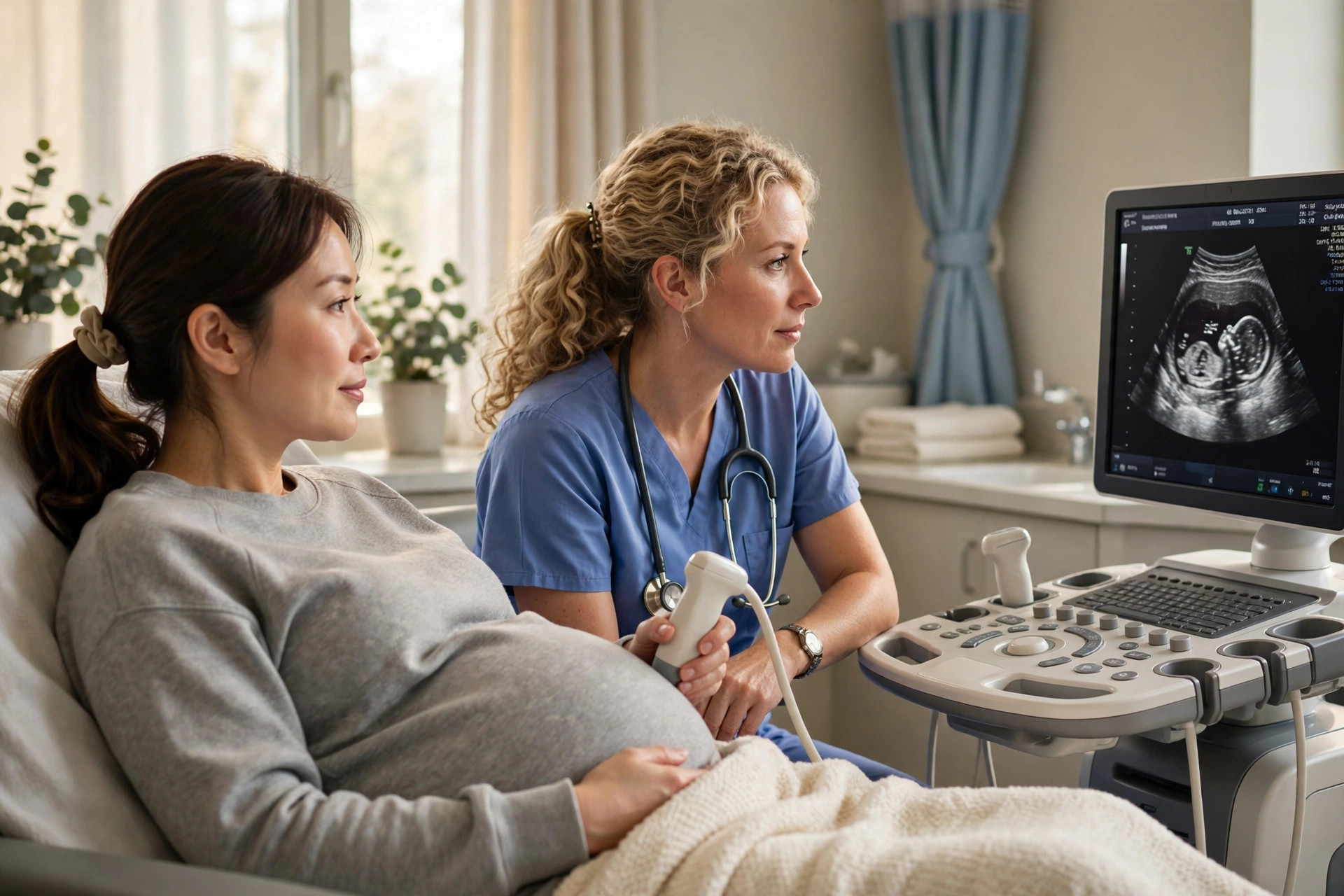 Women's Health & Pregnancy5 guides · Pregnancy is a time of regular checks — blood pressure at every visit, a diabetes test in the second half of pregnancy, and screening conversations that protect both mother and baby.
 Mental Health & Habits6 guides · Screening is not only scans and blood tests.
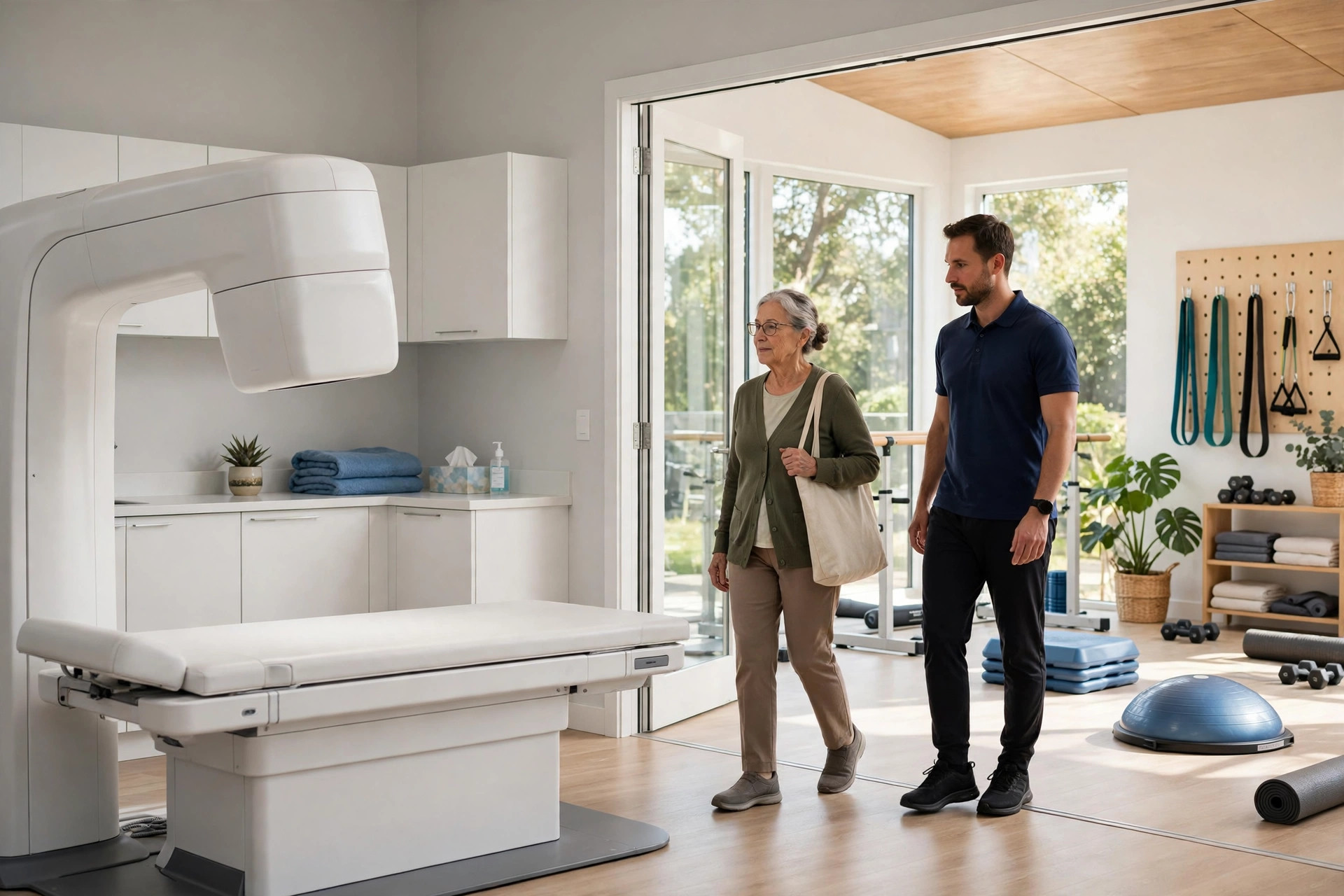 Bone, Senses, Children & Older Adults7 guides · Some of the most valuable screening happens at the two ends of life: newborn tests in the first days, vision and oral-health checks for young children, mood screening for teenagers — and bone-density scans, falls checks and honest conversations about hearing as we get older.
Cancer Screening
Screening looks for cancer — or the changes that come before it — in people who feel well, so that treatment can start earlier, when it works best.
Breast Cancer Screening (Mammogram)USPSTF grade B · A mammogram is a low-dose X-ray of the breast that can find breast cancer years before it can be felt.Cervical Cancer Screening (Pap & HPV Tests)USPSTF grade A · Cervical screening looks for cell changes and the HPV virus before cancer develops.Colorectal Cancer Screening (Colonoscopy & Stool Tests)USPSTF grade A / B · Colorectal screening can prevent bowel cancer by removing polyps, and find cancer early.Lung Cancer Screening (Low-Dose CT)USPSTF grade B · A yearly low-dose CT scan can find lung cancer early in people with a heavy smoking history.Prostate Cancer Screening (PSA Test)USPSTF grade C · The PSA blood test can find prostate cancer early — but it also finds cancers that would never have caused harm.Skin Cancer Screening (Skin Checks)USPSTF grade I · For skin checks, the honest position is 'evidence insufficient' (USPSTF grade I).BRCA Risk Assessment & Genetic TestingUSPSTF grade B · For women whose family history suggests a BRCA-related cancer pattern, the USPSTF recommends a structured risk assessment (grade B) — followed, if it is positive, by genetic counseling and possibly testing..Heart & Metabolic Health
Heart disease, stroke and type 2 diabetes develop quietly over years.
Blood Pressure ScreeningUSPSTF grade A · High blood pressure has no symptoms, so screening is how it is found.Cholesterol Testing & Statin DecisionsUSPSTF grade B · A cholesterol blood test feeds into a 10-year heart-risk estimate.Prediabetes & Type 2 Diabetes ScreeningUSPSTF grade B · Type 2 diabetes and its precursor, prediabetes, often have no symptoms.Abdominal Aortic Aneurysm (AAA) ScreeningUSPSTF grade B · One ultrasound scan can find a dangerous swelling of the aorta before it bursts.Healthy Diet & Physical Activity CounselingUSPSTF grade B · Prevention is not always a test.Weight Management: Screening & Behavioral ProgrammesUSPSTF grade B · Weight is checked with BMI at routine visits.Infections & Sexual Health
Several serious infections can live in the body for years without symptoms — HIV, hepatitis B and C, syphilis, chlamydia and latent tuberculosis among them.
HIV ScreeningUSPSTF grade A · HIV can be silent for years while treatment works best early.Hepatitis B ScreeningUSPSTF grade B / A · Hepatitis B can damage the liver silently for decades.Hepatitis C ScreeningUSPSTF grade B · Hepatitis C is curable, but most people who have it do not know.Syphilis ScreeningUSPSTF grade A · Syphilis is rising again and is easily missed — its early stages can be painless or invisible.Chlamydia & Gonorrhea ScreeningUSPSTF grade B · Chlamydia and gonorrhea usually cause no symptoms, yet can damage fertility.Latent Tuberculosis (TB) ScreeningUSPSTF grade B · Latent TB sleeps in the body without symptoms but can wake up years later.STI Prevention CounselingUSPSTF grade B · Brief, practical counseling reduces sexually transmitted infections.Women's Health & Pregnancy
Pregnancy is a time of regular checks — blood pressure at every visit, a diabetes test in the second half of pregnancy, and screening conversations that protect both mother and baby.
Blood Pressure Checks in Pregnancy (Preeclampsia)USPSTF grade B · Blood pressure is measured throughout pregnancy because dangerous rises can develop silently.Gestational Diabetes ScreeningUSPSTF grade B · Diabetes that first appears in pregnancy usually has no symptoms, so it is screened for.Intimate Partner Violence ScreeningUSPSTF grade B · Clinicians can ask about safety at home in a private, routine way.Folic Acid Before PregnancyUSPSTF grade A · Folic acid taken before and in early pregnancy prevents serious birth defects of the brain and spine.Healthy Weight Gain in PregnancyUSPSTF grade B · Gaining too little or too much in pregnancy both carry risks.Mental Health & Habits
Screening is not only scans and blood tests.
Depression Screening in AdultsUSPSTF grade B · Depression is common, disabling and treatable — and often unspoken.Anxiety Screening in AdultsUSPSTF grade B · Anxiety disorders are the most common mental health conditions, and among the most treatable.Preventing Depression in Pregnancy & After BirthUSPSTF grade B · Depression in pregnancy and after birth can often be prevented.Unhealthy Alcohol Use ScreeningUSPSTF grade B · Unhealthy alcohol use is common and mostly hidden.Unhealthy Drug Use ScreeningUSPSTF grade B · The USPSTF recommends screening adults aged 18 and over for unhealthy drug use by asking questions (grade B) — when accurate diagnosis, treatment and referral can be offered..Tobacco Use: Asking, Advising & Quit SupportUSPSTF grade A · Asking about tobacco at every visit, and offering real help to quit, is among the most effective preventive care there is.Bone, Senses, Children & Older Adults
Some of the most valuable screening happens at the two ends of life: newborn tests in the first days, vision and oral-health checks for young children, mood screening for teenagers — and bone-density scans, falls checks and honest conversations about hearing as we get older.
Osteoporosis Screening (DXA Bone Density Scan)USPSTF grade B · Osteoporosis weakens bone silently until a fracture happens.Falls Prevention in Older AdultsUSPSTF grade B · Falls are the leading cause of injury in older adults, and many are preventable.Vision Screening in Young ChildrenUSPSTF grade B · A 'lazy eye' is best treated young, while the visual system is still developing.Oral Health & Fluoride for Young ChildrenUSPSTF grade B · Tooth decay is the most common chronic disease of childhood — and largely preventable.Depression & Anxiety Screening in Children and TeenagersUSPSTF grade B · The USPSTF recommends screening teenagers aged 12 to 18 for depression, and children aged 8 to 18 for anxiety (grade B for both) — with questionnaires answered by the young person..Newborn Screening TestsUS state programme · Before your baby leaves hospital, three simple checks look for rare but treatable conditions: a heel-prick blood test, a hearing test, and an oxygen test for the heart.Hearing Screening in Older AdultsUSPSTF grade I · For routine hearing screening in adults 50 and over without symptoms, the USPSTF found the evidence insufficient (grade I).How screening works — and its limits
A screening test is not a diagnosis. A result outside the expected range leads to more checks, and many of those turn out to be nothing serious. Screening also has limits: it can miss things, and it can find things that would never have caused harm. That is why each guide here gives the benefits and the limits together, and why some tests — prostate PSA testing, for example — are presented by the USPSTF as a personal decision to discuss with your clinician rather than a blanket recommendation. Grades you will see: A and B mean the Task Force recommends the service; C means it is a selective, individual decision; D means it recommends against it; and I means the evidence is currently insufficient to judge.
Useful links and tools
About these recommendations
Recommendations, ages and intervals in this section are taken from the US Preventive Services Task Force (uspreventiveservicestaskforce.org), fetched in November 2026; the newborn screening guide follows MedlinePlus, the US National Library of Medicine's patient encyclopedia, because newborn screening is run by US state programs rather than the USPSTF. The section is reviewed by Dr. Mohamed Ibrahim.
Frequently asked questions
What is the difference between screening and a diagnostic test?
Screening is done when you feel well, to look for a condition — or an early sign of one — before it causes symptoms. A diagnostic test is done to investigate symptoms you already have, or to follow up an abnormal screening result. If you have symptoms now, you need diagnostic care, not a screening appointment.
What do the USPSTF grades A, B, C, D and I mean?
The US Preventive Services Task Force grades each preventive service by the strength of its evidence. A and B mean it recommends the service. C means the service should be offered selectively, as an individual decision. D means it recommends against the service. I means the evidence is insufficient to recommend for or against — an honest 'we do not know yet', not a hidden yes or no.
If a screening result is abnormal, does it mean I have the condition?
Usually not. Screening tests are designed to cast a wide net, so abnormal results are common and most are followed by a confirmatory or diagnostic test that shows there is no condition — or catches it early, which is the point of screening. An abnormal result is a reason to complete the follow-up, not a reason to panic.
This guide explains how a screening test usually works and who it is generally offered to. It is general educational information only — not medical advice, and not a recommendation for you personally. Screening decisions depend on your age, history and risk, so talk to your own clinician about which tests you need and when. If you have symptoms now, do not wait for a screening test — seek medical care promptly.