
- Physical Examination
- Surgical Examination
- Ophthalmology
- Clinical Skills
- Orthopedics
- Surgery Videos
- Laparoscopy
- Pediatrics
- Funny Videos
- Cardiothoracic Surgery
- Nursing Videos
- Plastic Surgery
- Otorhinolaryngology
- Histology and Histopathology
- Neurosurgery
- Dermatology
- Pediatric Surgery
- Urology
- Dentistry
- Oncology and Cancers
- Anatomy Videos
- Health and Fitness
- Radiology
- Anaesthesia
- Physical Therapy
- Pharmacology
- Interventional Radiology
- Cardiology
- Endocrinology
- Gynecology
- Emergency Medicine
- Psychiatry and Psychology
- Childbirth Videos
- General Medical Videos
- Nephrology
- Physiology
- Diet and Food Health
- Diabetes Mellitus
- Neurology
- Women Health
- Osteoporosis
- Gastroenterology
- Pulmonology
- Hematology
- Rheumatology
- Toxicology
- Nuclear Medicine
- Infectious Diseases
- Vascular Disease
- Reproductive Health
- Burns and Wound Healing
- Kidney Zone Podcast
- Other
Bone, Senses, Children & Older Adults
Some of the most valuable screening happens at the two ends of life: newborn tests in the first days, vision and oral-health checks for young children, mood screening for teenagers — and bone-density scans, falls checks and honest conversations about hearing as we get older. These guides explain each one.
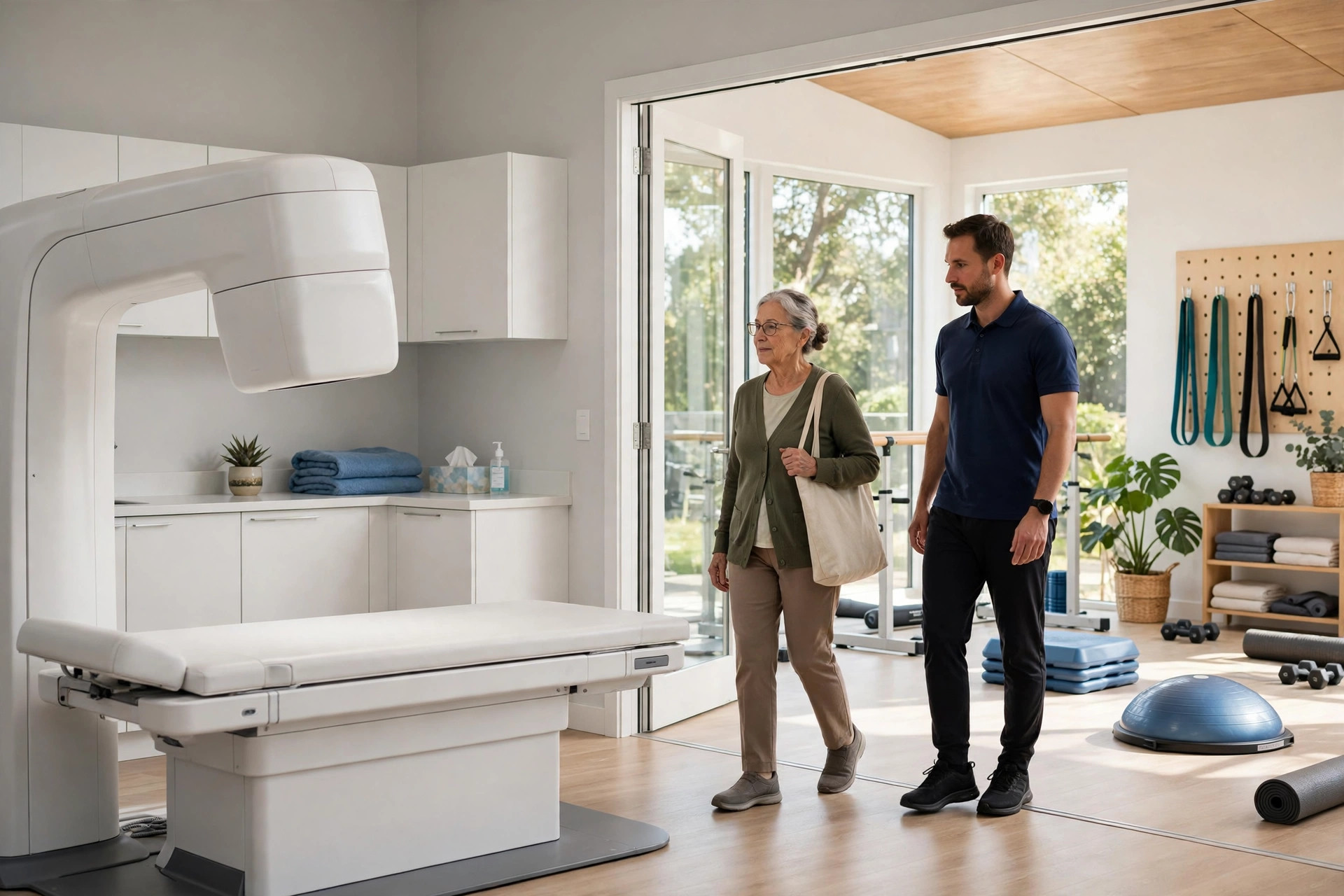
Guides in this category
7 guides — each explains who the test is for, what happens during it, and what the results can mean.
Osteoporosis Screening (DXA Bone Density Scan)USPSTF grade B · Osteoporosis weakens bone silently until a fracture happens.Falls Prevention in Older AdultsUSPSTF grade B · Falls are the leading cause of injury in older adults, and many are preventable.Vision Screening in Young ChildrenUSPSTF grade B · A 'lazy eye' is best treated young, while the visual system is still developing.Oral Health & Fluoride for Young ChildrenUSPSTF grade B · Tooth decay is the most common chronic disease of childhood — and largely preventable.Depression & Anxiety Screening in Children and TeenagersUSPSTF grade B · The USPSTF recommends screening teenagers aged 12 to 18 for depression, and children aged 8 to 18 for anxiety (grade B for both) — with questionnaires answered by the young person..Newborn Screening TestsUS state programme · Before your baby leaves hospital, three simple checks look for rare but treatable conditions: a heel-prick blood test, a hearing test, and an oxygen test for the heart.Hearing Screening in Older AdultsUSPSTF grade I · For routine hearing screening in adults 50 and over without symptoms, the USPSTF found the evidence insufficient (grade I).About these recommendations
Where the evidence is strong, these guides say so plainly. Where the US Preventive Services Task Force (USPSTF) found the evidence insufficient — hearing screening in older adults is one example — the guide says that too, and explains what you can still do. Screening never replaces your own clinician's judgement.
Useful links and tools
Other screening categories
- Cancer Screening
- Heart & Metabolic Health
- Infections & Sexual Health
- Women's Health & Pregnancy
- Mental Health & Habits
This guide explains how a screening test usually works and who it is generally offered to. It is general educational information only — not medical advice, and not a recommendation for you personally. Screening decisions depend on your age, history and risk, so talk to your own clinician about which tests you need and when. If you have symptoms now, do not wait for a screening test — seek medical care promptly.