
- Physical Examination
- Surgical Examination
- Ophthalmology
- Clinical Skills
- Orthopedics
- Surgery Videos
- Laparoscopy
- Pediatrics
- Funny Videos
- Cardiothoracic Surgery
- Nursing Videos
- Plastic Surgery
- Otorhinolaryngology
- Histology and Histopathology
- Neurosurgery
- Dermatology
- Pediatric Surgery
- Urology
- Dentistry
- Oncology and Cancers
- Anatomy Videos
- Health and Fitness
- Radiology
- Anaesthesia
- Physical Therapy
- Pharmacology
- Interventional Radiology
- Cardiology
- Endocrinology
- Gynecology
- Emergency Medicine
- Psychiatry and Psychology
- Childbirth Videos
- General Medical Videos
- Nephrology
- Physiology
- Diet and Food Health
- Diabetes Mellitus
- Neurology
- Women Health
- Osteoporosis
- Gastroenterology
- Pulmonology
- Hematology
- Rheumatology
- Toxicology
- Nuclear Medicine
- Infectious Diseases
- Vascular Disease
- Reproductive Health
- Burns and Wound Healing
- Kidney Zone Podcast
- Other
Lung Cancer Screening (Low-Dose CT)
A yearly low-dose CT scan can find lung cancer early in people with a heavy smoking history. The USPSTF recommends it for adults 50 to 80 with at least a 20 pack-year history who smoke now or quit within the last 15 years.
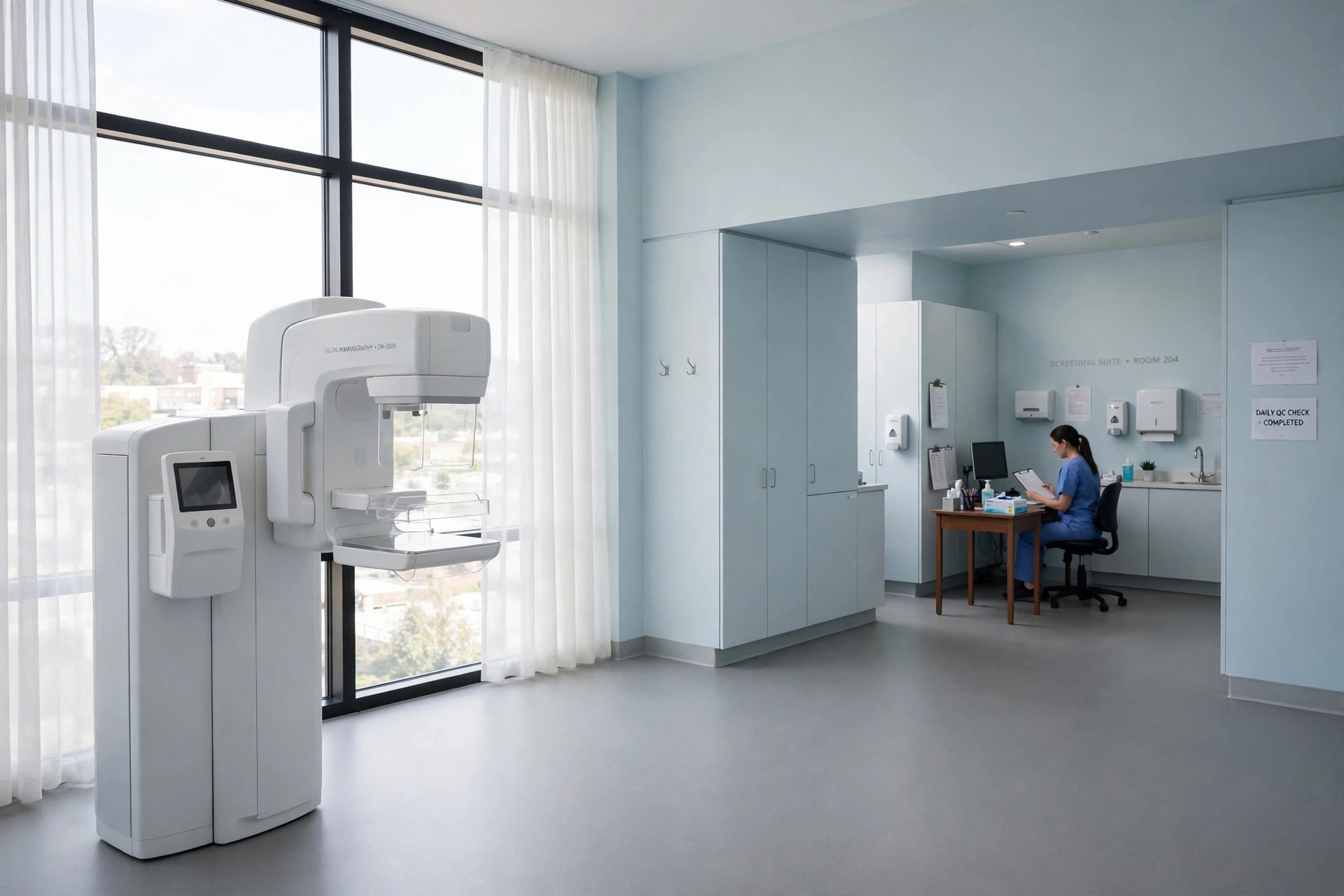
Lung cancer is often found late, after it has spread. Screening with a low-dose CT (LDCT) scan — a detailed X-ray scan using much less radiation than a standard CT — can find lung cancers while they are still small and operable in people at high risk because of smoking.
The USPSTF recommends annual LDCT screening (grade B) for a specific group defined by age and smoking history. It is not a scan for everyone: outside that group, the harms of false alarms and extra procedures outweigh the benefits.
What this screening checks
- Small nodules (spots) in the lungs, most of which turn out to be harmless scars or infections — but some are early cancers.
- Other chest findings the radiologist can see on the same scan, which are sometimes reported as incidental findings.
Who should have it, and how often
Adults aged 50 to 80 who have smoked at least 20 'pack-years' — for example one pack a day for 20 years, or two packs a day for 10 years.
You must currently smoke, or have quit within the past 15 years.
Screening stops once you have not smoked for 15 years, or if a health problem limits your life expectancy or your ability to have surgery to cure lung cancer — because screening only helps if early treatment is possible.
If you smoke, screening works alongside quitting, not instead of it: your clinician should offer cessation support at the same time.
What happens during the test
- You lie on a table that slides into a ring-shaped scanner; there are no injections and usually no dye.
- You hold your breath for a few seconds while the scanner takes its pictures. The scan itself takes under a minute and is painless.
- The images are reviewed by a radiologist, and you receive a result — usually categorised by whether anything needs watching, re-scanning sooner, or further tests.
How to prepare
- No fasting or special preparation is normally needed; wear comfortable clothing without metal around the chest if you can.
- Bring an accurate smoking history — how much you smoked and when you quit — because eligibility depends on it.
- Decide beforehand how you feel about possible follow-up scans and procedures; screening is a programme of yearly scans, not a one-off.
What the results mean
Most scans find nothing that needs action, and you return in a year. Some find a small nodule that is watched with an earlier repeat scan — most nodules are not cancer.
If a nodule looks suspicious, the next steps may include a different scan (such as a PET scan) or a biopsy. Only a biopsy can confirm cancer.
Benefits
- Finds lung cancer at an earlier, more treatable stage in a group at genuinely high risk.
- The yearly rhythm means new changes are compared against your own previous scans.
- A prompt to quit: screening visits are a proven moment to get cessation support.
Limits and possible harms
- False alarms are common: nodules that are not cancer can lead to extra scans, biopsies and anxiety.
- Radiation: each scan is low-dose, but the doses add up over years of annual screening.
- Overdiagnosis: some screen-detected cancers grow so slowly they would never have caused harm, yet are treated.
- Incidental findings elsewhere in the chest can lead to further tests.
Watch: related videos
Useful links and tools
More in Cancer Screening
- Breast Cancer Screening (Mammogram)
- Cervical Cancer Screening (Pap & HPV Tests)
- Colorectal Cancer Screening (Colonoscopy & Stool Tests)
- Prostate Cancer Screening (PSA Test)
Frequently asked questions
What is a pack-year?
A pack-year means smoking one pack of 20 cigarettes a day for one year. Twenty pack-years can be one pack a day for 20 years, two packs a day for 10 years, or any combination that multiplies out the same. The USPSTF threshold for screening is at least 20 pack-years, in adults aged 50 to 80 who smoke now or quit within the last 15 years.
I quit smoking 20 years ago. Should I be screened?
Under the USPSTF recommendation, screening stops 15 years after quitting, so routine LDCT is not recommended in that situation. If you have symptoms such as a persistent cough, coughing blood, or unexplained weight loss, see a clinician promptly — that needs diagnostic investigation, not screening.
This guide explains how a screening test usually works and who it is generally offered to. It is general educational information only — not medical advice, and not a recommendation for you personally. Screening decisions depend on your age, history and risk, so talk to your own clinician about which tests you need and when. If you have symptoms now, do not wait for a screening test — seek medical care promptly.