
- Physical Examination
- Surgical Examination
- Ophthalmology
- Clinical Skills
- Orthopedics
- Surgery Videos
- Laparoscopy
- Pediatrics
- Funny Videos
- Cardiothoracic Surgery
- Nursing Videos
- Plastic Surgery
- Otorhinolaryngology
- Histology and Histopathology
- Neurosurgery
- Dermatology
- Pediatric Surgery
- Urology
- Dentistry
- Oncology and Cancers
- Anatomy Videos
- Health and Fitness
- Radiology
- Anaesthesia
- Physical Therapy
- Pharmacology
- Interventional Radiology
- Cardiology
- Endocrinology
- Gynecology
- Emergency Medicine
- Psychiatry and Psychology
- Childbirth Videos
- General Medical Videos
- Nephrology
- Physiology
- Diet and Food Health
- Diabetes Mellitus
- Neurology
- Women Health
- Osteoporosis
- Gastroenterology
- Pulmonology
- Hematology
- Rheumatology
- Toxicology
- Nuclear Medicine
- Infectious Diseases
- Vascular Disease
- Reproductive Health
- Burns and Wound Healing
- Kidney Zone Podcast
- Other
Cancer Screening
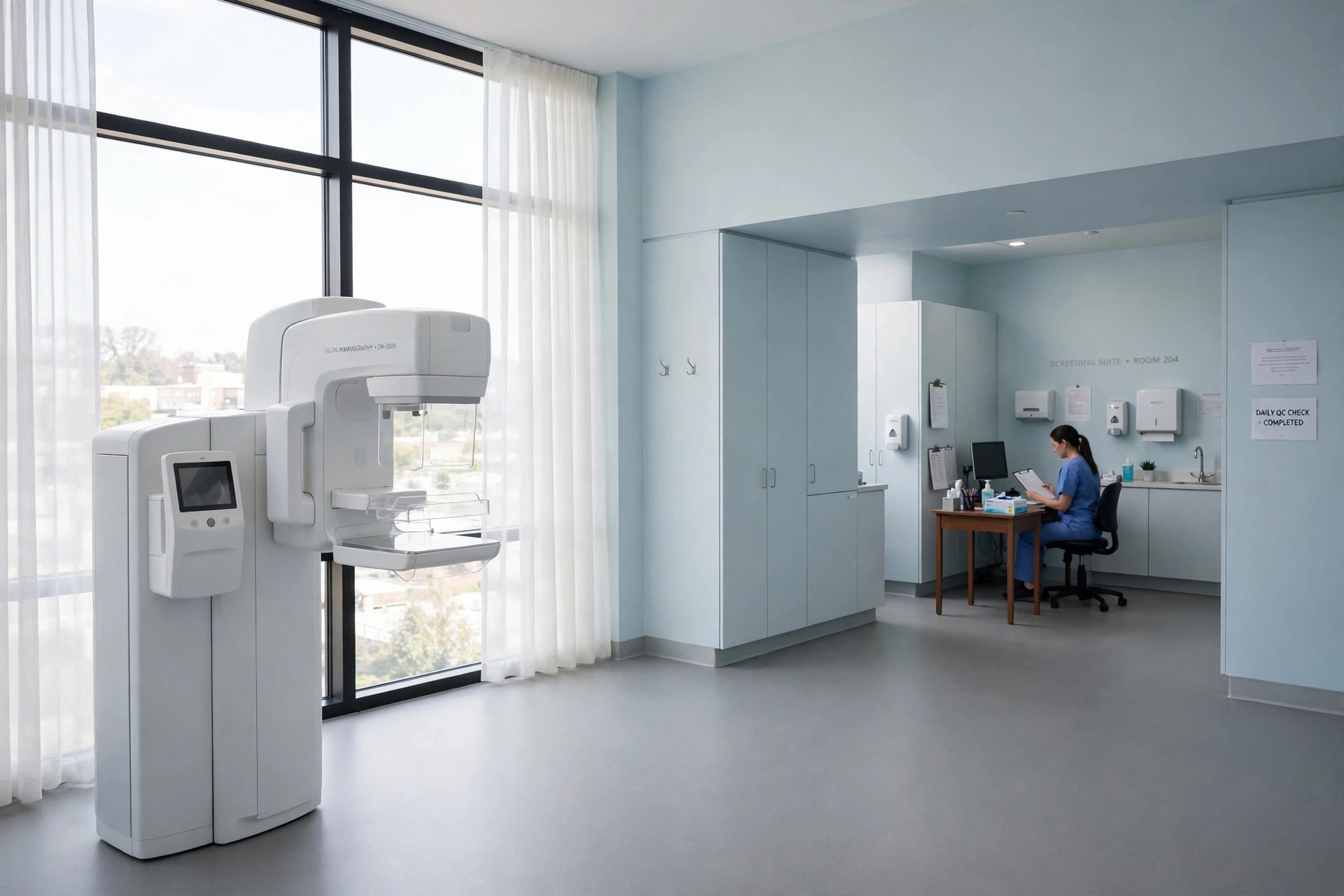
Screening looks for cancer — or the changes that come before it — in people who feel well, so that treatment can start earlier, when it works best. These guides explain the main cancer screening tests: who they are for, at what ages, how often, and what happens on the day.
Guides in this category
7 guides — each explains who the test is for, what happens during it, and what the results can mean.
Breast Cancer Screening (Mammogram)USPSTF grade B · A mammogram is a low-dose X-ray of the breast that can find breast cancer years before it can be felt.Cervical Cancer Screening (Pap & HPV Tests)USPSTF grade A · Cervical screening looks for cell changes and the HPV virus before cancer develops.Colorectal Cancer Screening (Colonoscopy & Stool Tests)USPSTF grade A / B · Colorectal screening can prevent bowel cancer by removing polyps, and find cancer early.Lung Cancer Screening (Low-Dose CT)USPSTF grade B · A yearly low-dose CT scan can find lung cancer early in people with a heavy smoking history.Prostate Cancer Screening (PSA Test)USPSTF grade C · The PSA blood test can find prostate cancer early — but it also finds cancers that would never have caused harm.Skin Cancer Screening (Skin Checks)USPSTF grade I · For skin checks, the honest position is 'evidence insufficient' (USPSTF grade I).BRCA Risk Assessment & Genetic TestingUSPSTF grade B · For women whose family history suggests a BRCA-related cancer pattern, the USPSTF recommends a structured risk assessment (grade B) — followed, if it is positive, by genetic counseling and possibly testing..About these recommendations
Cancer screening is a balance. Finding cancer early saves lives, but screening can also find changes that would never have caused harm, and can trigger extra tests. Each guide here sets out the benefits and the limits side by side, using the US Preventive Services Task Force (USPSTF) recommendations — including where the Task Force says the decision is a personal one, or that the evidence is not yet clear.
Useful links and tools
Other screening categories
- Heart & Metabolic Health
- Infections & Sexual Health
- Women's Health & Pregnancy
- Mental Health & Habits
- Bone, Senses, Children & Older Adults
This guide explains how a screening test usually works and who it is generally offered to. It is general educational information only — not medical advice, and not a recommendation for you personally. Screening decisions depend on your age, history and risk, so talk to your own clinician about which tests you need and when. If you have symptoms now, do not wait for a screening test — seek medical care promptly.