
- Physical Examination
- Surgical Examination
- Ophthalmology
- Clinical Skills
- Orthopedics
- Surgery Videos
- Laparoscopy
- Pediatrics
- Funny Videos
- Cardiothoracic Surgery
- Nursing Videos
- Plastic Surgery
- Otorhinolaryngology
- Histology and Histopathology
- Neurosurgery
- Dermatology
- Pediatric Surgery
- Urology
- Dentistry
- Oncology and Cancers
- Anatomy Videos
- Health and Fitness
- Radiology
- Anaesthesia
- Physical Therapy
- Pharmacology
- Interventional Radiology
- Cardiology
- Endocrinology
- Gynecology
- Emergency Medicine
- Psychiatry and Psychology
- Childbirth Videos
- General Medical Videos
- Nephrology
- Physiology
- Diet and Food Health
- Diabetes Mellitus
- Neurology
- Women Health
- Osteoporosis
- Gastroenterology
- Pulmonology
- Hematology
- Rheumatology
- Toxicology
- Nuclear Medicine
- Infectious Diseases
- Vascular Disease
- Reproductive Health
- Burns and Wound Healing
- Kidney Zone Podcast
- Other
Adrenalectomy: What to Expect & Recovery
Adrenalectomy removes one adrenal gland — often for a hormone-producing tumour — usually through keyhole cuts. The surgery is usually straightforward; the careful part is hormone balance while the remaining gland adjusts.
Before surgery: how to prepare
- Hormone-producing tumours need specific preparation — for example medicines to control blood pressure before surgery for a phaeochromocytoma. Follow your endocrine team's plan exactly.
- Bring an up-to-date medicine list; blood-pressure and diabetes medicines often change quickly after the gland is removed.
- Ask whether you might need short-term steroid cover after surgery, and what symptoms should prompt a call.
- Standard preparation: fasting instructions, a lift home, and help for the first few days.
The day of surgery
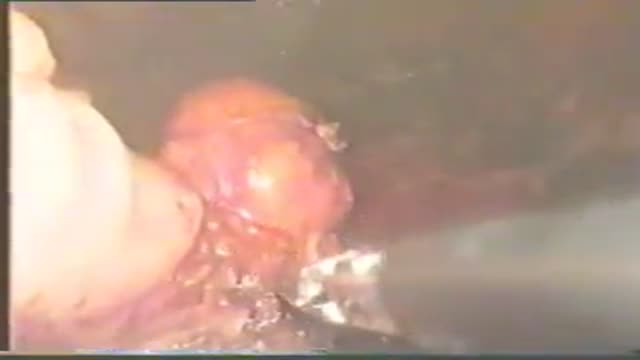
Under a general anaesthetic, usually keyhole surgery from the front or back, the surgeon removes the adrenal gland, which sits just above the kidney. The anaesthetic team monitors blood pressure closely throughout, as hormone release during handling of the gland can swing it up or down.
In hospital
Recovery timeline
Every recovery is individual, but most follow this general arc:
Warning signs: when to get help
- Feeling faint, dizzy or collapsing — possible low cortisol or blood pressure problems
- Severe headache, palpitations or very high blood pressure symptoms
- Fever, wound redness or worsening tummy pain
- Vomiting or inability to take your medicines
- Calf pain or swelling, chest pain or breathlessness
Related topics
Watch: real operation videos
From the MedicalVideos library. Some surgical videos are graphic and intended for education.
Frequently asked questions
Will I need steroids for life?
Usually not — one healthy adrenal gland makes all the cortisol you need. Occasionally the remaining gland has been suppressed by the tumour's excess hormone and needs temporary steroid cover while it wakes up; your team tests for this and tapers treatment as it recovers.
Will my blood pressure improve?
When the tumour was driving the blood pressure up, removal often improves or cures it over the following weeks — which is why medicines are reviewed at follow-up rather than simply continued forever.
Medically reviewed by Dr. Mohamed Ibrahim, Assistant Professor of Medicine, Transplant Nephrology, University of Maryland School of Medicine. Last reviewed: 12 November 2026.
← More Abdominal & Digestive Surgery · All surgery recovery guides