
- Physical Examination
- Surgical Examination
- Ophthalmology
- Clinical Skills
- Orthopedics
- Surgery Videos
- Laparoscopy
- Pediatrics
- Funny Videos
- Cardiothoracic Surgery
- Nursing Videos
- Plastic Surgery
- Otorhinolaryngology
- Histology and Histopathology
- Neurosurgery
- Dermatology
- Pediatric Surgery
- Urology
- Dentistry
- Oncology and Cancers
- Anatomy Videos
- Health and Fitness
- Radiology
- Anaesthesia
- Physical Therapy
- Pharmacology
- Interventional Radiology
- Cardiology
- Endocrinology
- Gynecology
- Emergency Medicine
- Psychiatry and Psychology
- Childbirth Videos
- General Medical Videos
- Nephrology
- Physiology
- Diet and Food Health
- Diabetes Mellitus
- Neurology
- Women Health
- Osteoporosis
- Gastroenterology
- Pulmonology
- Hematology
- Rheumatology
- Toxicology
- Nuclear Medicine
- Infectious Diseases
- Vascular Disease
- Reproductive Health
- Burns and Wound Healing
- Kidney Zone Podcast
- Other
Angioplasty and stent (PCI): What to Expect & Recovery
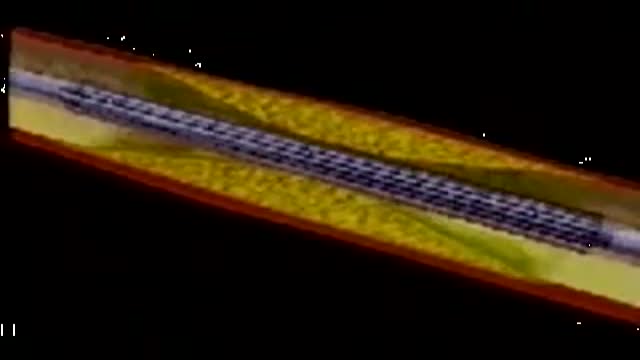
Angioplasty stretches a narrowed coronary artery open with a balloon and usually leaves a stent — a tiny mesh tube — to hold it open. It is done through the wrist or groin, and most planned cases are home the same day or the next.
Before surgery: how to prepare
- Bring an exact list of your medicines — especially any blood thinners and diabetes medicines — and tell the team about allergies, particularly to contrast dye or medicines.
- You will usually be asked not to eat for a few hours beforehand; your letter gives details.
- Arrange a lift home and someone at home overnight: you cannot drive afterwards, and driving is avoided for at least a week (NHS).
- Ask what antiplatelet medicines you will leave with — taking two of them without interruption afterwards is essential to protect the stent.
The day of surgery
With local anaesthetic and light sedation, a fine tube is threaded from the wrist or groin to the heart. Dye pictures show the narrowing; a balloon stretches it and a stent is expanded to hold the artery open. You will feel pressure at the access site afterwards — a band or closure device seals the puncture while you rest and are monitored.
In hospital
Recovery timeline
Every recovery is individual, but most follow this general arc:
Warning signs: when to get help
- Chest pain or tightness like a heart attack — call emergency services immediately
- Bleeding, a rapidly swelling lump or severe pain at the wrist or groin puncture
- The hand or foot on the puncture side becoming pale, cold or painful
- Unusual bruising or bleeding anywhere (gums, urine, black stools) while on two antiplatelet medicines
- A rash, swelling or breathlessness suggesting allergy
Related topics
Watch: real operation videos
From the MedicalVideos library. Some surgical videos are graphic and intended for education.
Frequently asked questions
Why are the two antiplatelet medicines so important?
A fresh stent is metal in the bloodstream: platelets can stick to it and form a clot that blocks the artery — a stent thrombosis, which causes a heart attack. Aspirin plus a second antiplatelet medicine prevents this while the stent lines over. Never stop them early without asking cardiology, even for dental or surgical procedures — ring the cardiology team instead.
Will I feel the stent?
No — a stent has no nerve supply and cannot be felt. What people notice is the absence of angina. Bruising and soreness at the wrist or groin puncture are the common early complaints, and they settle over days to weeks.
Medically reviewed by Dr. Mohamed Ibrahim, Assistant Professor of Medicine, Transplant Nephrology, University of Maryland School of Medicine. Last reviewed: 12 November 2026.
← More Heart & Vascular Surgery · All surgery recovery guides