
- Physical Examination
- Surgical Examination
- Ophthalmology
- Clinical Skills
- Orthopedics
- Surgery Videos
- Laparoscopy
- Pediatrics
- Funny Videos
- Cardiothoracic Surgery
- Nursing Videos
- Plastic Surgery
- Otorhinolaryngology
- Histology and Histopathology
- Neurosurgery
- Dermatology
- Pediatric Surgery
- Urology
- Dentistry
- Oncology and Cancers
- Anatomy Videos
- Health and Fitness
- Radiology
- Anaesthesia
- Physical Therapy
- Pharmacology
- Interventional Radiology
- Cardiology
- Endocrinology
- Gynecology
- Emergency Medicine
- Psychiatry and Psychology
- Childbirth Videos
- General Medical Videos
- Nephrology
- Physiology
- Diet and Food Health
- Diabetes Mellitus
- Neurology
- Women Health
- Osteoporosis
- Gastroenterology
- Pulmonology
- Hematology
- Rheumatology
- Toxicology
- Nuclear Medicine
- Infectious Diseases
- Vascular Disease
- Reproductive Health
- Burns and Wound Healing
- Kidney Zone Podcast
- Other
Angioplasty and stent (PCI)
Category: Heart Tests & Procedures · All heart tests & procedures
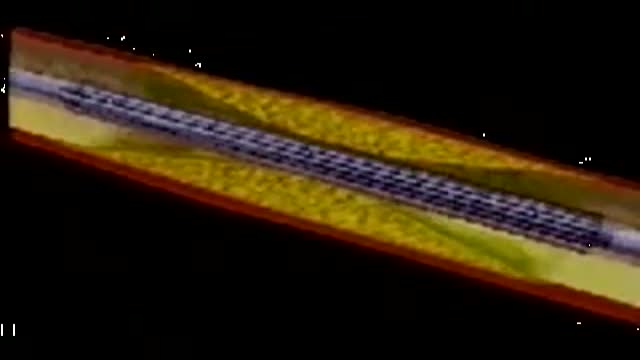
What it is
Angioplasty (PCI) is a treatment in which a small balloon passed through a catheter is inflated inside a narrowed coronary artery to widen it, usually leaving a small metal mesh tube (stent) to hold it open.
Why it is done
It is used to treat angina caused by narrowed arteries and, as an emergency, to reopen the blocked artery during a heart attack.
How to prepare
In planned cases you will fast beforehand and have blood tests. You will be started on blood-thinning medicines that help keep the stent open, and it is essential to take them exactly as prescribed afterwards. Tell the team about allergies, especially to medicines and contrast dye.
What happens during the procedure
Through the wrist or groin, the catheter is guided to the narrowing. A balloon inflates briefly — you may feel chest tightness for a few seconds — and the stent is positioned and expanded. The procedure usually takes 30 to 90 minutes. You are monitored throughout.
Afterwards — recovery & results
You will be observed for several hours, often overnight after a heart attack. Most people feel well quickly but should avoid heavy exertion for a few days. You will leave with medicines, including typically two antiplatelet medicines for a period your cardiologist sets, and cardiac rehabilitation is usually offered.
Risks & considerations
Risks include bleeding at the access site, artery damage, allergic reaction to dye, kidney effects, and rarely heart attack or stroke. The stent can narrow again or, uncommonly, clot — taking the prescribed antiplatelet medicines without interruption greatly reduces this risk. Always tell any doctor or dentist treating you that you have a stent.
Watch: Angioplasty and stent (PCI) videos
Real procedure videos from the MedicalVideos.com library. Some clinical footage is graphic — that is the nature of a medical video library.
Related guides on MedicalVideos.com
Frequently asked questions
How long does a stent last?
Modern stents are permanent and most stay open. A minority narrow again over time; if angina returns, tell your doctor, as further treatment is usually possible.
Can I stop my medicines when I feel fine?
No — stopping antiplatelet medicines early is the commonest cause of stent clotting, which can cause a heart attack. Always speak to your cardiologist first.
Related procedures — Heart Tests & Procedures
Browse the A section of the A–Z list or return to the Procedures & Tests hub.