- Physical Examination
- Surgical Examination
- Ophthalmology
- Clinical Skills
- Orthopedics
- Surgery Videos
- Laparoscopy
- Pediatrics
- Funny Videos
- Cardiothoracic Surgery
- Nursing Videos
- Plastic Surgery
- Otorhinolaryngology
- Histology and Histopathology
- Neurosurgery
- Dermatology
- Pediatric Surgery
- Urology
- Dentistry
- Oncology and Cancers
- Anatomy Videos
- Health and Fitness
- Radiology
- Anaesthesia
- Physical Therapy
- Pharmacology
- Interventional Radiology
- Cardiology
- Endocrinology
- Gynecology
- Emergency Medicine
- Psychiatry and Psychology
- Childbirth Videos
- General Medical Videos
- Nephrology
- Physiology
- Diet and Food Health
- Diabetes Mellitus
- Neurology
- Women Health
- Osteoporosis
- Gastroenterology
- Pulmonology
- Hematology
- Rheumatology
- Toxicology
- Nuclear Medicine
- Infectious Diseases
- Vascular Disease
- Reproductive Health
- Burns and Wound Healing
- Kidney Zone Podcast
- Other
Heart
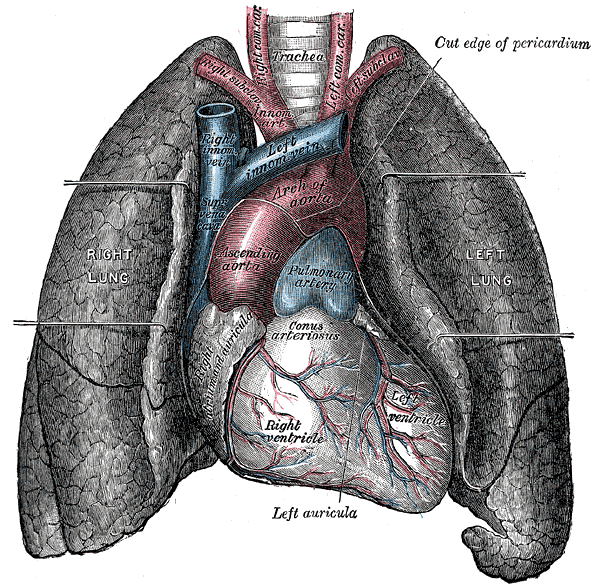
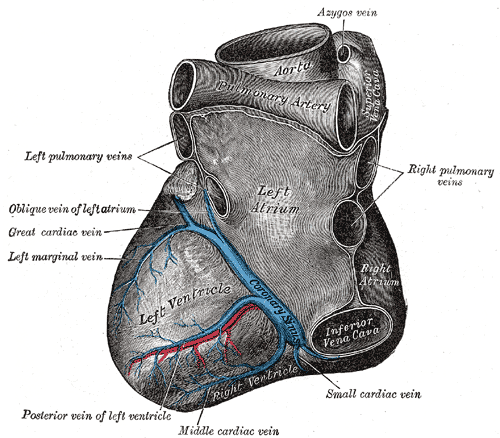
Gray's Anatomy (1918) plate, public domain
The heart is a muscular double pump about the size of your fist, sitting in the centre of the chest, slightly to the left. Its right side receives oxygen-poor blood from the body and sends it to the lungs; its left side receives oxygen-rich blood and pumps it around the body. Four chambers, four one-way valves, and its own electrical conduction system keep roughly 100,000 beats a day in rhythm.
Key facts
- The heart beats about 100,000 times a day, moving roughly 7,500 litres of blood.
- The left ventricle's wall is about three times thicker than the right's, because it pumps at higher pressure.
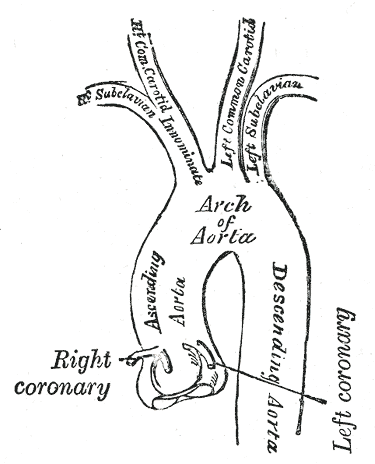
- The heart's own blood supply comes from the coronary arteries.
- Its beat is generated internally by the sinoatrial node — the natural pacemaker.
- The heart sits behind the sternum, protected by the rib cage and the pericardium sac.
What can go wrong
The heart can be affected by coronary artery disease (narrowing of its own arteries, causing angina and heart attacks), valve disease, rhythm disorders (arrhythmias), muscle weakness (heart failure) and infection of its lining or valves. Chest pain, breathlessness and palpitations are symptoms that always warrant prompt medical assessment.
Related conditions
Related procedures & tests
- Electrocardiogram (ECG/EKG)
- Echocardiogram (heart ultrasound)
- Coronary angiogram (cardiac catheterisation)
Related symptoms
Watch: related videos
Frequently asked questions
Why is the heart said to be a double pump?
Because it is two pumps side by side: the right side circulates blood through the lungs at low pressure, the left through the whole body at high pressure. The two circuits run in series, so all blood passes through the heart twice per full circuit.
Does the heart ever rest?
Yes — between beats. The heart muscle relaxes and refills during diastole, and it is during this pause that the heart's own coronary arteries receive most of their blood flow.
Educational information only. This atlas explains normal anatomy and describes conditions in general terms; it is not medical advice and does not replace assessment by a qualified clinician. If you have symptoms that worry you, seek medical care.