
- Physical Examination
- Surgical Examination
- Ophthalmology
- Clinical Skills
- Orthopedics
- Surgery Videos
- Laparoscopy
- Pediatrics
- Funny Videos
- Cardiothoracic Surgery
- Nursing Videos
- Plastic Surgery
- Otorhinolaryngology
- Histology and Histopathology
- Neurosurgery
- Dermatology
- Pediatric Surgery
- Urology
- Dentistry
- Oncology and Cancers
- Anatomy Videos
- Health and Fitness
- Radiology
- Anaesthesia
- Physical Therapy
- Pharmacology
- Interventional Radiology
- Cardiology
- Endocrinology
- Gynecology
- Emergency Medicine
- Psychiatry and Psychology
- Childbirth Videos
- General Medical Videos
- Nephrology
- Physiology
- Diet and Food Health
- Diabetes Mellitus
- Neurology
- Women Health
- Osteoporosis
- Gastroenterology
- Pulmonology
- Hematology
- Rheumatology
- Toxicology
- Nuclear Medicine
- Infectious Diseases
- Vascular Disease
- Reproductive Health
- Burns and Wound Healing
- Kidney Zone Podcast
- Other
Cardiac ablation (catheter ablation): What to Expect & Recovery
Catheter ablation treats faulty heart-rhythm circuits by heating or freezing tiny areas inside the heart through tubes from the groin. It is usually a day-case or one-night procedure with a short recovery — though the heart needs weeks to heal before success can be judged.
Before surgery: how to prepare
- Medicines need careful instructions: your team will tell you exactly which rhythm and blood-thinning medicines to take or pause — for SVT ablation some heart medicines are stopped about 5 days before (NHS trust guidance).
- You will usually fast for several hours beforehand; ablation is done with sedation or occasionally a general anaesthetic.
- Arrange a lift and a quiet few days: no driving for the first days afterwards.
- Ask about blood thinners afterwards — after AF ablation they are usually continued for at least 3 months (NHS trust guidance).
The day of surgery
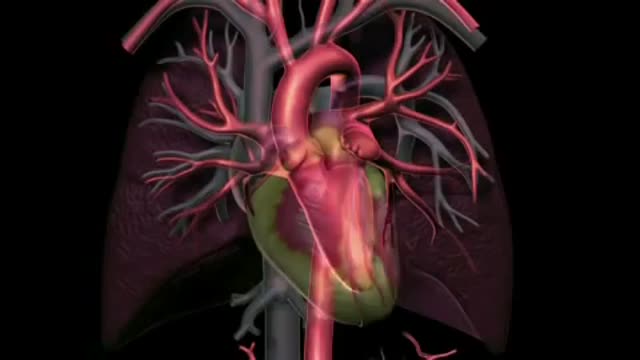
Through a vein in the groin, fine catheters are steered into the heart under X-ray guidance. Electrical signals map the faulty circuit, then controlled heat (or freezing) treats it. The procedure takes 1 to 3 hours depending on the rhythm treated. Afterwards you lie flat while the groin seals, with rhythm, blood pressure and breathing monitored.
In hospital
Recovery timeline
Every recovery is individual, but most follow this general arc:
Warning signs: when to get help
- Bleeding, a swelling lump or severe pain at the groin puncture
- Chest pain that is severe, or breathlessness
- Palpitations with dizziness, faintness or chest discomfort
- Signs of stroke — face, arm or speech changes: call emergency services
- Fever or feeling acutely unwell
Related topics
Watch: real operation videos
From the MedicalVideos library. Some surgical videos are graphic and intended for education.
Frequently asked questions
Why do I still get palpitations after ablation?
The treated areas are inflamed while they heal into scar, and irritable heart tissue can fire off extra beats or short runs of the rhythm for weeks. Teams call the first 3 months a 'blanking period' — symptoms then often settle as healing completes, which is why success is judged at around 8 to 10 weeks and beyond.
When can I drive and fly again?
The DVLA advises not driving for 2 days after ablation; many trusts advise waiting up to 5 days until the groin is comfortable. Flying is usually avoided for 7 days. Group 2 (lorry and bus) licences have stricter rules — check with your team and the licensing authority where you live.
Medically reviewed by Dr. Mohamed Ibrahim, Assistant Professor of Medicine, Transplant Nephrology, University of Maryland School of Medicine. Last reviewed: 12 November 2026.
← More Heart & Vascular Surgery · All surgery recovery guides