
- Physical Examination
- Surgical Examination
- Ophthalmology
- Clinical Skills
- Orthopedics
- Surgery Videos
- Laparoscopy
- Pediatrics
- Funny Videos
- Cardiothoracic Surgery
- Nursing Videos
- Plastic Surgery
- Otorhinolaryngology
- Histology and Histopathology
- Neurosurgery
- Dermatology
- Pediatric Surgery
- Urology
- Dentistry
- Oncology and Cancers
- Anatomy Videos
- Health and Fitness
- Radiology
- Anaesthesia
- Physical Therapy
- Pharmacology
- Interventional Radiology
- Cardiology
- Endocrinology
- Gynecology
- Emergency Medicine
- Psychiatry and Psychology
- Childbirth Videos
- General Medical Videos
- Nephrology
- Physiology
- Diet and Food Health
- Diabetes Mellitus
- Neurology
- Women Health
- Osteoporosis
- Gastroenterology
- Pulmonology
- Hematology
- Rheumatology
- Toxicology
- Nuclear Medicine
- Infectious Diseases
- Vascular Disease
- Reproductive Health
- Burns and Wound Healing
- Kidney Zone Podcast
- Other
Cardiac ablation (catheter ablation)
Category: Heart Tests & Procedures · All heart tests & procedures
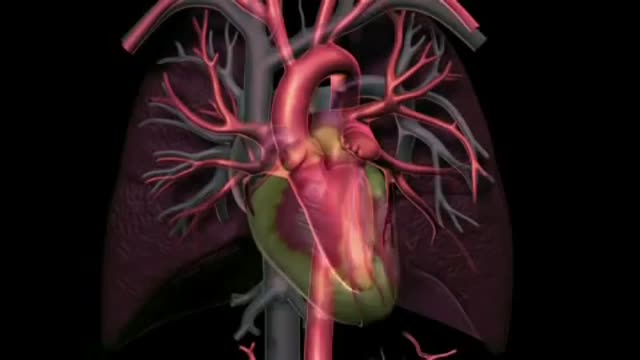
What it is
Catheter ablation is a procedure in which fine tubes passed through a vein in the groin deliver heat (radiofrequency) or freezing (cryo) energy inside the heart to destroy tiny areas of tissue causing abnormal rhythms.
Why it is done
It is used for rhythm problems such as atrial fibrillation, atrial flutter, SVT and some ventricular rhythms, especially when medicines are ineffective or not tolerated.
How to prepare
You will fast beforehand and have blood tests and heart imaging; blood-thinning treatment is carefully planned around the procedure. Tell the team about allergies and all medicines.
What happens during the procedure
You are usually sedated or under general anaesthetic. Catheters are guided to the heart under X-ray and 3D mapping, the abnormal tissue is located and treated spot by spot. Procedures vary in length — commonly one to three hours — and you must lie flat for some hours afterwards while the groin vein seals.
Afterwards — recovery & results
Most people go home the same day or after one night. Mild chest discomfort, bruising at the groin and palpitations in the first weeks are common as the heart heals. You will have follow-up to judge success, which is assessed over months, not days.
Risks & considerations
Risks include bleeding at the access site, damage to blood vessels, fluid around the heart, stroke, and rarely injury to nearby structures such as the food pipe in AF ablation. Success rates vary by rhythm type and your specialist will discuss your situation.
Watch: Cardiac ablation (catheter ablation) videos
Real procedure videos from the MedicalVideos.com library. Some clinical footage is graphic — that is the nature of a medical video library.
Related guides on MedicalVideos.com
Frequently asked questions
Does ablation cure atrial fibrillation?
It can greatly reduce or stop episodes for many people, but results vary and some people need a second procedure or ongoing medicines. Your specialist will set realistic expectations.
Why do I still get palpitations afterwards?
Inflammation from the treatment takes weeks to settle, and early palpitations are common and do not necessarily mean the procedure has failed.
Related procedures — Heart Tests & Procedures
Browse the C section of the A–Z list or return to the Procedures & Tests hub.