
- Physical Examination
- Surgical Examination
- Ophthalmology
- Clinical Skills
- Orthopedics
- Surgery Videos
- Laparoscopy
- Pediatrics
- Funny Videos
- Cardiothoracic Surgery
- Nursing Videos
- Plastic Surgery
- Otorhinolaryngology
- Histology and Histopathology
- Neurosurgery
- Dermatology
- Pediatric Surgery
- Urology
- Dentistry
- Oncology and Cancers
- Anatomy Videos
- Health and Fitness
- Radiology
- Anaesthesia
- Physical Therapy
- Pharmacology
- Interventional Radiology
- Cardiology
- Endocrinology
- Gynecology
- Emergency Medicine
- Psychiatry and Psychology
- Childbirth Videos
- General Medical Videos
- Nephrology
- Physiology
- Diet and Food Health
- Diabetes Mellitus
- Neurology
- Women Health
- Osteoporosis
- Gastroenterology
- Pulmonology
- Hematology
- Rheumatology
- Toxicology
- Nuclear Medicine
- Infectious Diseases
- Vascular Disease
- Reproductive Health
- Burns and Wound Healing
- Kidney Zone Podcast
- Other
Fracture fixation surgery (ORIF): What to Expect & Recovery
ORIF — open reduction and internal fixation — puts a broken bone back into alignment and holds it with plates, screws or rods so it can heal. Recovery is governed by bone biology: healing typically takes 6 to 12 weeks, confirmed by X-ray, while physiotherapy protects movement and strength in the meantime.
Before surgery: how to prepare
- Fracture surgery is often urgent, so preparation may be brief — but tell the team about blood thinners, diabetes and smoking, all of which affect bone healing.
- Ask what weight-bearing you will be allowed afterwards; it determines what aids and home help you need.
- Arrange home support: meals, washing facilities on one level if a leg is involved, and a lift home.
- If surgery is planned rather than emergency, use the wait to stop smoking — it is one of the few things that genuinely speeds bone healing.
The day of surgery
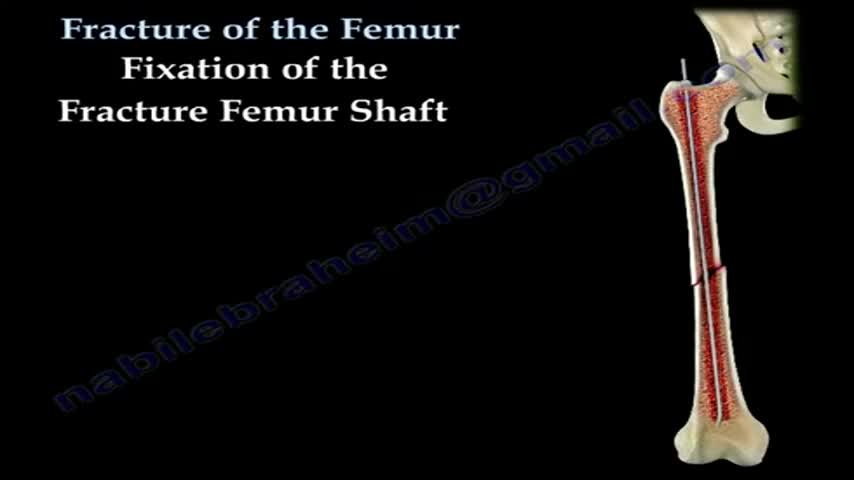
Under a general or regional anaesthetic, the surgeon aligns the broken fragments through an incision and fixes them with plates and screws, an intramedullary rod, or pins, checking alignment on X-ray as they go. You wake with the limb bandaged, splinted or in a boot/cast, and a clear instruction about how much weight it may take.
In hospital
Recovery timeline
Every recovery is individual, but most follow this general arc:
Warning signs: when to get help
- Increasing pain, redness, swelling or discharge at the wound, or fever (infection around metalwork needs urgent review)
- Pain suddenly much worse, or the limb becoming pale, cold or numb
- A cast or splint feeling too tight, or fingers/toes swelling and changing colour
- Calf pain or swelling, chest pain or breathlessness
- The limb giving way, deforming, or a new injury to the same area
Related topics
Watch: real operation videos
From the MedicalVideos library. Some surgical videos are graphic and intended for education.
Frequently asked questions
Will the metalwork stay in forever?
Usually, yes — plates, screws and rods are designed to stay permanently and most never cause trouble. Removal is considered if hardware becomes prominent, irritates tendons, or (in children) because of growth — a decision made with your surgeon once the bone is fully healed.
Why can I put weight on some fractures but not others?
It depends on the bone, the fracture pattern and how rigidly it is fixed. Some fixations share load with the bone and benefit from early weight-bearing; others must be protected until early healing bridges the gap. Your surgeon's instruction is specific to your fracture — follow it exactly.
Medically reviewed by Dr. Mohamed Ibrahim, Assistant Professor of Medicine, Transplant Nephrology, University of Maryland School of Medicine. Last reviewed: 12 November 2026.