
- Physical Examination
- Surgical Examination
- Ophthalmology
- Clinical Skills
- Orthopedics
- Surgery Videos
- Laparoscopy
- Pediatrics
- Funny Videos
- Cardiothoracic Surgery
- Nursing Videos
- Plastic Surgery
- Otorhinolaryngology
- Histology and Histopathology
- Neurosurgery
- Dermatology
- Pediatric Surgery
- Urology
- Dentistry
- Oncology and Cancers
- Anatomy Videos
- Health and Fitness
- Radiology
- Anaesthesia
- Physical Therapy
- Pharmacology
- Interventional Radiology
- Cardiology
- Endocrinology
- Gynecology
- Emergency Medicine
- Psychiatry and Psychology
- Childbirth Videos
- General Medical Videos
- Nephrology
- Physiology
- Diet and Food Health
- Diabetes Mellitus
- Neurology
- Women Health
- Osteoporosis
- Gastroenterology
- Pulmonology
- Hematology
- Rheumatology
- Toxicology
- Nuclear Medicine
- Infectious Diseases
- Vascular Disease
- Reproductive Health
- Burns and Wound Healing
- Kidney Zone Podcast
- Other
Hip arthroscopy: What to Expect & Recovery
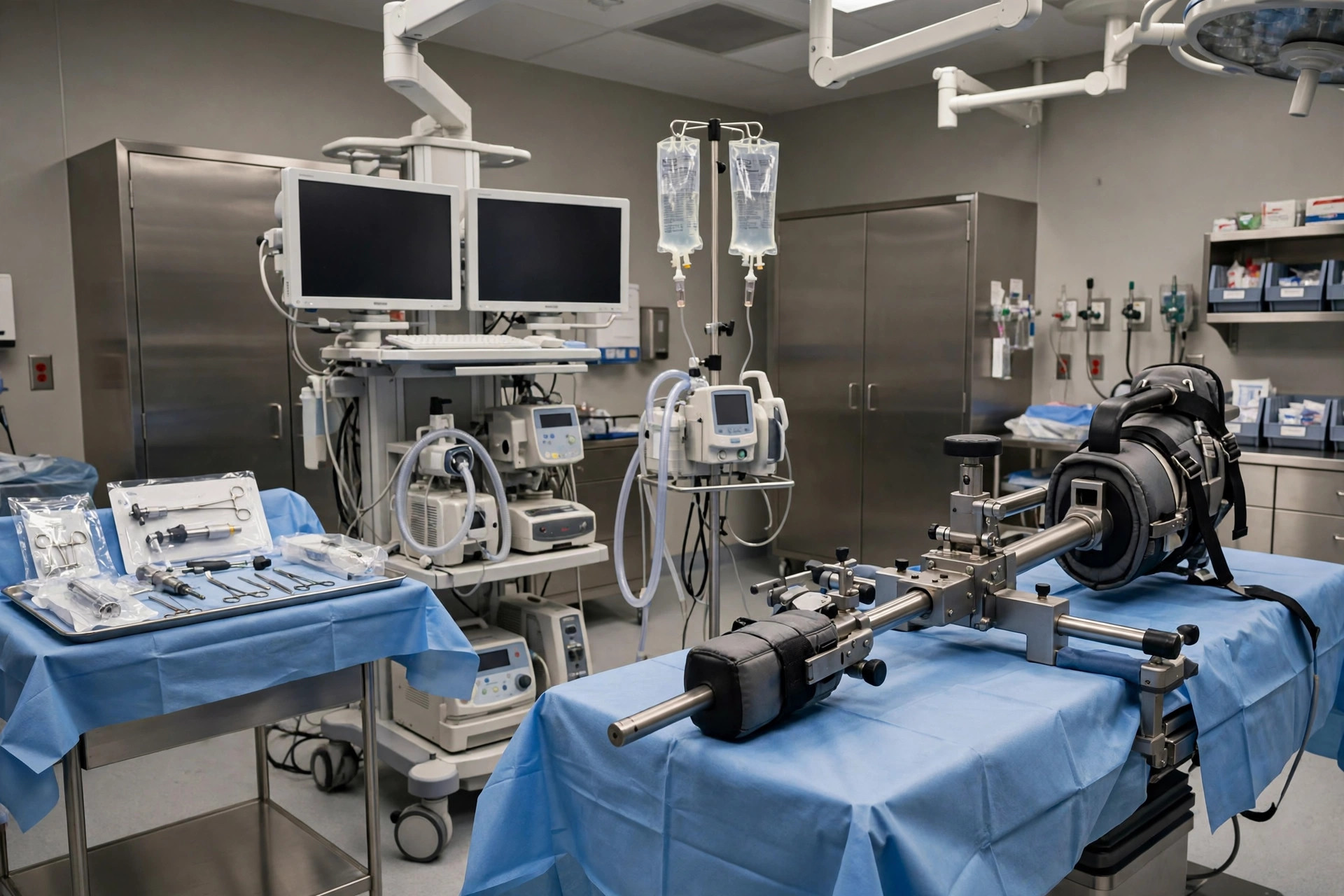
Hip arthroscopy treats problems inside the hip joint — labral tears, bone-shape impingement, loose fragments — through small cuts with the hip gently pulled to open the joint space. Physiotherapy begins early, crutches protect repairs for a few weeks, and sport typically takes 3 to 6 months.
Before surgery: how to prepare
- Arrange crutches, a lift home, and help for the first days — sitting tolerance is limited early on.
- Ask what weight-bearing and movement restrictions will apply: they depend on whether cartilage was repaired or bone reshaped, and last a few weeks.
- Tell the team about medicines and follow fasting instructions.
- Set sporting expectations: return to sport typically takes 3 to 6 months (procedures dataset) — plan seasons accordingly.
The day of surgery
Under a general anaesthetic, the leg is placed in traction to open the hip joint by a centimetre or so, and a camera and instruments enter through two or three small cuts. The surgeon repairs the labrum, reshapes impinging bone or removes loose tissue as planned. You wake with dressings over the small wounds and begin gentle movement the same day.
In hospital
Recovery timeline
Every recovery is individual, but most follow this general arc:
Warning signs: when to get help
- Groin or thigh numbness that is worsening rather than improving
- Fever, wound redness or increasing hip pain (infection)
- Calf pain or swelling
- The hip clicking with new sharp pain, or giving way
- Being unable to bear weight as instructed
Related topics
Frequently asked questions
Why is my groin numb after hip arthroscopy?
The traction used to open the joint, plus a padded post between the legs, can stretch or compress the pudendal and nearby nerves. The resulting numbness or altered feeling in the groin or thigh is common and temporary in most cases, resolving over days to weeks — report it if it persists so it is documented and reviewed.
Will arthroscopy fix hip arthritis?
No — arthroscopy treats mechanical problems such as labral tears and impingement in a joint that is otherwise reasonably healthy. If significant arthritis is the main problem, keyhole surgery gives disappointing results, which is why imaging and patient selection before surgery are so important.
Medically reviewed by Dr. Mohamed Ibrahim, Assistant Professor of Medicine, Transplant Nephrology, University of Maryland School of Medicine. Last reviewed: 12 November 2026.