
- Physical Examination
- Surgical Examination
- Ophthalmology
- Clinical Skills
- Orthopedics
- Surgery Videos
- Laparoscopy
- Pediatrics
- Funny Videos
- Cardiothoracic Surgery
- Nursing Videos
- Plastic Surgery
- Otorhinolaryngology
- Histology and Histopathology
- Neurosurgery
- Dermatology
- Pediatric Surgery
- Urology
- Dentistry
- Oncology and Cancers
- Anatomy Videos
- Health and Fitness
- Radiology
- Anaesthesia
- Physical Therapy
- Pharmacology
- Interventional Radiology
- Cardiology
- Endocrinology
- Gynecology
- Emergency Medicine
- Psychiatry and Psychology
- Childbirth Videos
- General Medical Videos
- Nephrology
- Physiology
- Diet and Food Health
- Diabetes Mellitus
- Neurology
- Women Health
- Osteoporosis
- Gastroenterology
- Pulmonology
- Hematology
- Rheumatology
- Toxicology
- Nuclear Medicine
- Infectious Diseases
- Vascular Disease
- Reproductive Health
- Burns and Wound Healing
- Kidney Zone Podcast
- Other
Laparoscopic fundoplication (anti-reflux surgery): What to Expect & Recovery
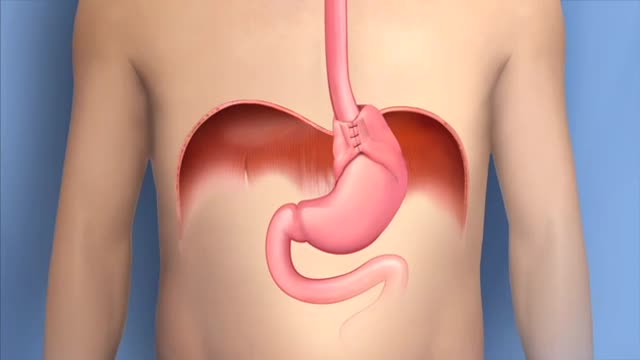
A fundoplication wraps the top of the stomach around the lower food pipe to stop reflux, done through keyhole cuts. The recovery theme is food: liquids first, then soft food, eating slowly while the wrap settles over the following weeks.
Before surgery: how to prepare
- You will usually have had tests (endoscopy, acid monitoring, pressure studies) confirming reflux is the problem — bring any results and your medicine list.
- Tell the team about acid medicines you take and any swallowing difficulty; follow their plan for the days around surgery.
- Stock the kitchen for recovery: fluids, soups, yoghurts and soft foods for the first couple of weeks.
- Follow fasting instructions, arrange a lift home, and plan 2 to 3 weeks off work.
The day of surgery
Under a general anaesthetic, the surgeon works through small keyhole cuts: any hiatus hernia is repaired and the top of the stomach is wrapped around the lower oesophagus to recreate a valve. You wake with sore keyhole wounds and start sipping fluids once fully awake.
In hospital
Recovery timeline
Every recovery is individual, but most follow this general arc:
Warning signs: when to get help
- Being unable to swallow fluids or your own saliva
- Severe chest or upper tummy pain
- Vomiting repeatedly, or vomiting blood
- Fever or feeling acutely unwell
- Swallowing that gets worse rather than better after the first days
Related topics
Watch: real operation videos
From the MedicalVideos library. Some surgical videos are graphic and intended for education.
Frequently asked questions
Why does food stick when I swallow?
The new wrap is snug and surrounded by post-surgery swelling, so food — especially bread, meat and rice — can hesitate at first. Tiny mouthfuls, thorough chewing and sips of fluid with meals help. It should improve steadily over weeks; worsening difficulty needs review.
Will I still need reflux medicines afterwards?
Many people stop them, but long-term some still need occasional acid medicines, and reflux can recur over years if the wrap slips. Report returning heartburn at follow-up rather than simply restarting old prescriptions on your own.
Medically reviewed by Dr. Mohamed Ibrahim, Assistant Professor of Medicine, Transplant Nephrology, University of Maryland School of Medicine. Last reviewed: 12 November 2026.
← More Abdominal & Digestive Surgery · All surgery recovery guides