- Physical Examination
- Surgical Examination
- Ophthalmology
- Clinical Skills
- Orthopedics
- Surgery Videos
- Laparoscopy
- Pediatrics
- Funny Videos
- Cardiothoracic Surgery
- Nursing Videos
- Plastic Surgery
- Otorhinolaryngology
- Histology and Histopathology
- Neurosurgery
- Dermatology
- Pediatric Surgery
- Urology
- Dentistry
- Oncology and Cancers
- Anatomy Videos
- Health and Fitness
- Radiology
- Anaesthesia
- Physical Therapy
- Pharmacology
- Interventional Radiology
- Cardiology
- Endocrinology
- Gynecology
- Emergency Medicine
- Psychiatry and Psychology
- Childbirth Videos
- General Medical Videos
- Nephrology
- Physiology
- Diet and Food Health
- Diabetes Mellitus
- Neurology
- Women Health
- Osteoporosis
- Gastroenterology
- Pulmonology
- Hematology
- Rheumatology
- Toxicology
- Nuclear Medicine
- Infectious Diseases
- Vascular Disease
- Reproductive Health
- Burns and Wound Healing
- Kidney Zone Podcast
- Other
Stomach
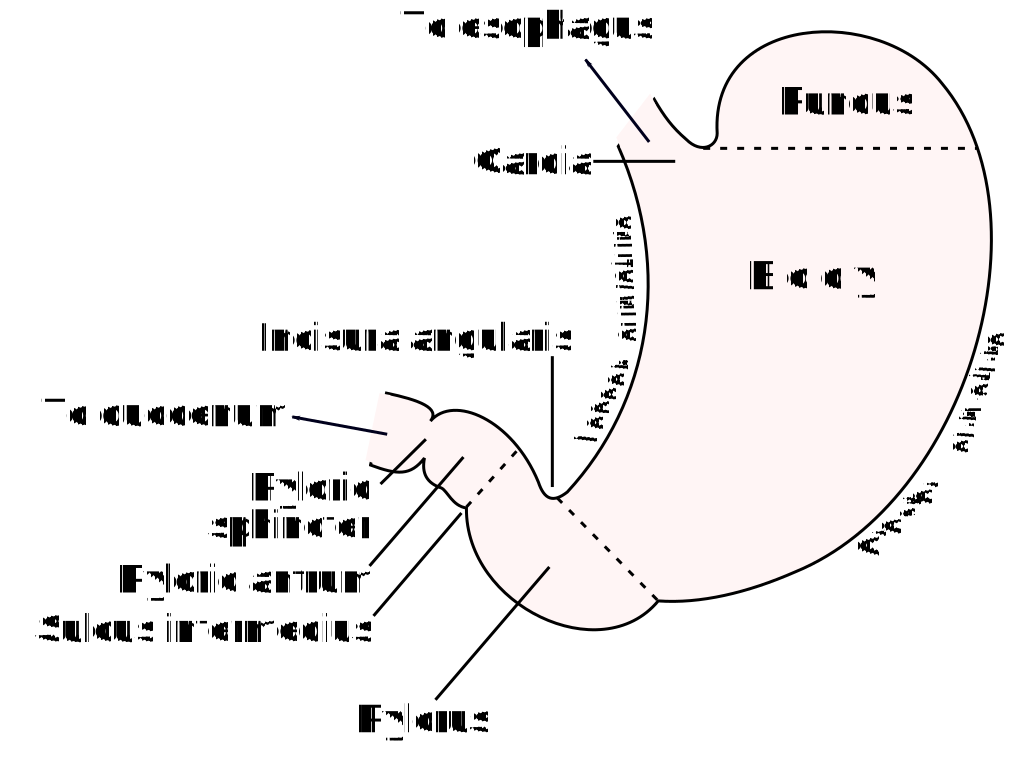
Gray's Anatomy (1918) plate, public domain
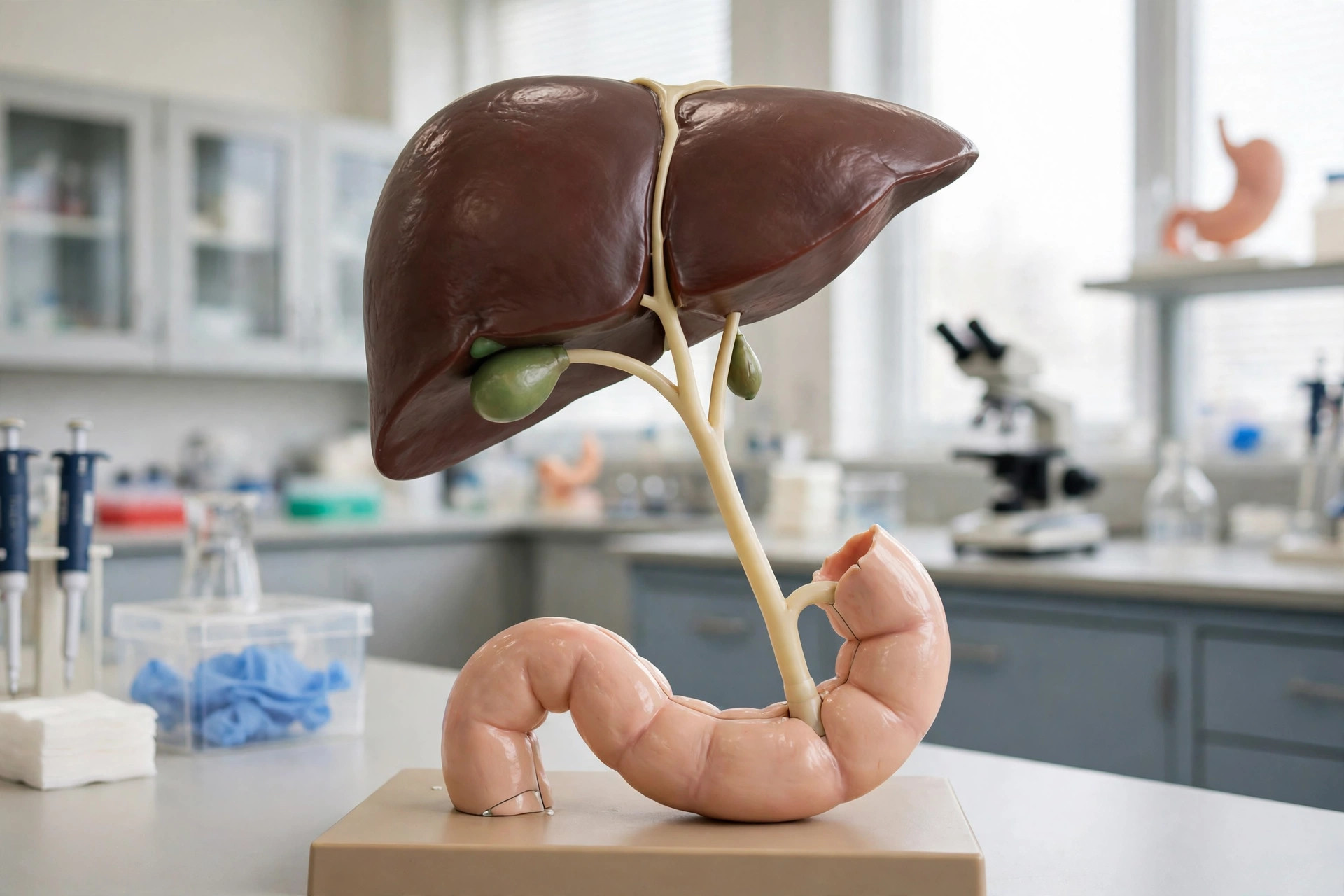
The stomach is a J-shaped muscular reservoir under the left ribs where food is churned into a soup (chyme) and mixed with acid and enzymes. Its top (fundus) relaxes to receive food, its body stores and grinds, and its outlet (pylorus) meters chyme into the small intestine in small squirts. Stomach acid kills many swallowed microbes and activates pepsin, the protein-digesting enzyme.
Key facts
- The stomach can stretch from about 50 mL empty to hold around a litre or more after a large meal.
- Its lining replaces itself every few days, protected from its own acid by a mucus-bicarbonate barrier.
- It produces intrinsic factor, needed to absorb vitamin B12 later in the small intestine.
- An empty stomach's folds (rugae) flatten out as it fills.
What can go wrong
Inflammation of the lining (gastritis) — from Helicobacter pylori infection, anti-inflammatory medicines, alcohol or autoimmune causes — can lead to ulcers, which also occur at the stomach outlet. Stomach cancer often causes vague symptoms such as feeling full quickly or unexplained weight loss, which is why persistent upper abdominal symptoms are investigated, sometimes with a camera test (gastroscopy).
Related conditions
Related procedures & tests
Related symptoms
Frequently asked questions
Why doesn't the stomach digest itself?
A continuous layer of mucus and bicarbonate shields its wall, its cells renew rapidly, and tight junctions between cells keep acid from leaking into the tissue.
How long does food stay in the stomach?
Typically 2-4 hours depending on the meal: liquids leave fastest, fatty meals slowest, as the pylorus releases chyme in small amounts the intestine can handle.
Educational information only. This atlas explains normal anatomy and describes conditions in general terms; it is not medical advice and does not replace assessment by a qualified clinician. If you have symptoms that worry you, seek medical care.