
- Physical Examination
- Surgical Examination
- Ophthalmology
- Clinical Skills
- Orthopedics
- Surgery Videos
- Laparoscopy
- Pediatrics
- Funny Videos
- Cardiothoracic Surgery
- Nursing Videos
- Plastic Surgery
- Otorhinolaryngology
- Histology and Histopathology
- Neurosurgery
- Dermatology
- Pediatric Surgery
- Urology
- Dentistry
- Oncology and Cancers
- Anatomy Videos
- Health and Fitness
- Radiology
- Anaesthesia
- Physical Therapy
- Pharmacology
- Interventional Radiology
- Cardiology
- Endocrinology
- Gynecology
- Emergency Medicine
- Psychiatry and Psychology
- Childbirth Videos
- General Medical Videos
- Nephrology
- Physiology
- Diet and Food Health
- Diabetes Mellitus
- Neurology
- Women Health
- Osteoporosis
- Gastroenterology
- Pulmonology
- Hematology
- Rheumatology
- Toxicology
- Nuclear Medicine
- Infectious Diseases
- Vascular Disease
- Reproductive Health
- Burns and Wound Healing
- Kidney Zone Podcast
- Other
Laparoscopic fundoplication (anti-reflux surgery)
Category: General & Abdominal Surgery · All general & abdominal surgery
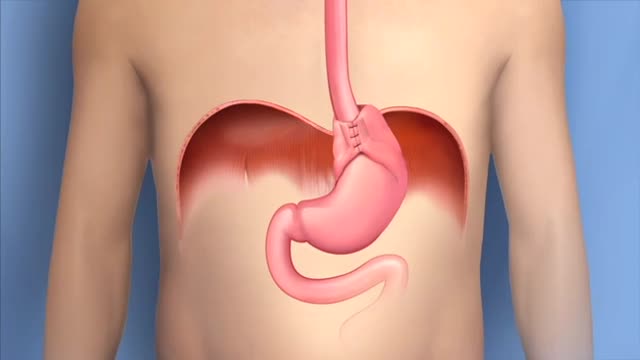
What it is
Fundoplication is keyhole surgery for reflux in which the upper part of the stomach is wrapped around the lower gullet to strengthen the valve that keeps acid out of the gullet. The commonest version is a full (Nissen) wrap; partial wraps are also used.
Why it is done
It is offered for confirmed gastro-oesophageal reflux disease when medicines are ineffective, not tolerated, or not wanted long-term, and sometimes with repair of a hiatus hernia.
How to prepare
Thorough testing comes first — endoscopy, reflux (pH) studies and gullet pressure tests (manometry) — to confirm reflux and check the gullet squeezes well enough for surgery. You will have pre-assessment and fast beforehand.
What happens during the procedure
Under general anaesthetic through five small cuts, the hiatus hernia (if present) is repaired and the stomach wrap is formed and secured around the lower gullet. Surgery takes about one and a half to two hours.
Afterwards — recovery & results
Hospital stay is usually one to two nights, starting with fluids and a soft diet as advised by the surgical and dietetic team. Most people gradually return to normal eating over weeks, eating slowly and chewing well. Time off work is usually two to three weeks.
Risks & considerations
Risks include difficulty swallowing (usually temporary, occasionally persistent), bloating and difficulty belching or vomiting (gas-bloat), wrap slippage or recurrence of reflux over years, and the general risks of keyhole surgery. Long-term, some people still need occasional acid medicines.
Watch: Laparoscopic fundoplication (anti-reflux surgery) videos
Real procedure videos from the MedicalVideos.com library. Some clinical footage is graphic — that is the nature of a medical video library.
Related guides on MedicalVideos.com
Frequently asked questions
Will I be able to burp and vomit?
A full wrap makes belching harder and vomiting may be difficult, especially early on. Partial wraps preserve more of this function, which is one reason the choice of wrap is individualised.
Does surgery mean I can stop all reflux medicines forever?
Many people stop or greatly reduce them, but not everyone. The aim is durable symptom control; medicines can be restarted if symptoms return.
Related procedures — General & Abdominal Surgery
Browse the L section of the A–Z list or return to the Procedures & Tests hub.