
- Physical Examination
- Surgical Examination
- Ophthalmology
- Clinical Skills
- Orthopedics
- Surgery Videos
- Laparoscopy
- Pediatrics
- Funny Videos
- Cardiothoracic Surgery
- Nursing Videos
- Plastic Surgery
- Otorhinolaryngology
- Histology and Histopathology
- Neurosurgery
- Dermatology
- Pediatric Surgery
- Urology
- Dentistry
- Oncology and Cancers
- Anatomy Videos
- Health and Fitness
- Radiology
- Anaesthesia
- Physical Therapy
- Pharmacology
- Interventional Radiology
- Cardiology
- Endocrinology
- Gynecology
- Emergency Medicine
- Psychiatry and Psychology
- Childbirth Videos
- General Medical Videos
- Nephrology
- Physiology
- Diet and Food Health
- Diabetes Mellitus
- Neurology
- Women Health
- Osteoporosis
- Gastroenterology
- Pulmonology
- Hematology
- Rheumatology
- Toxicology
- Nuclear Medicine
- Infectious Diseases
- Vascular Disease
- Reproductive Health
- Burns and Wound Healing
- Kidney Zone Podcast
- Other
Laser prostate surgery (HoLEP / GreenLight): What to Expect & Recovery
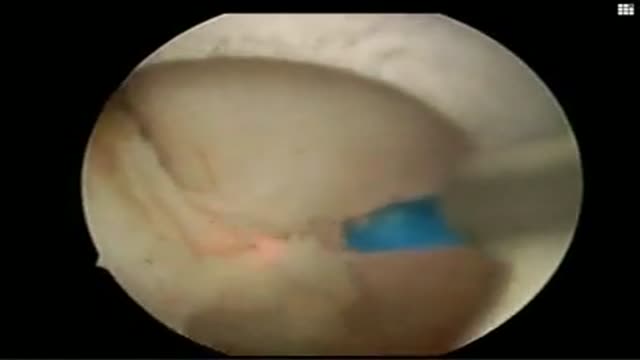
Laser prostate surgery — HoLEP, which shells out the enlarged prostate core, or GreenLight vaporisation — relieves obstruction with less bleeding than traditional resection. Catheter time is often shorter than with TURP, and the irritative urinary symptoms that follow settle over weeks.
Before surgery: how to prepare
- Tell the team about blood thinners: one advantage of laser surgery is it can often be done with less interruption of them, but the plan must be explicit.
- Urine infection must be treated first — you will usually have a urine test before surgery.
- Arrange a lift home and a quiet first week; expect blood-tinged urine and urgency at first.
- Follow fasting instructions for the general or spinal anaesthetic.
The day of surgery
Under a general or spinal anaesthetic, a telescope passes along the urethra and laser energy either enucleates the prostate's inner core (HoLEP — the tissue is removed and examined in the laboratory) or vaporises it (GreenLight). A catheter drains the bladder afterwards while the urine clears.
In hospital
Recovery timeline
Every recovery is individual, but most follow this general arc:
Warning signs: when to get help
- Being unable to pass urine once the catheter is out
- Heavy bleeding with clots that does not clear with drinking fluids
- Fever, shivering or feeling unwell (urine infection)
- Severe bladder pain or pain that keeps worsening
- Leakage that is getting worse rather than better after several weeks
Related topics
Watch: real operation videos
From the MedicalVideos library. Some surgical videos are graphic and intended for education.
Frequently asked questions
How is laser surgery different from TURP?
Both remove obstructing prostate tissue through the urethra. Lasers seal blood vessels as they work, so bleeding is less, catheter time is often shorter, and very large prostates can be treated (HoLEP). Irritative symptoms afterwards and the recovery rhythm are similar — weeks for full settling.
Will tissue be checked for cancer?
With HoLEP, yes — the removed tissue is examined in the laboratory like TURP tissue. Vaporisation techniques produce little or no specimen, a difference your surgeon will discuss when recommending a technique for your prostate size and situation.
Medically reviewed by Dr. Mohamed Ibrahim, Assistant Professor of Medicine, Transplant Nephrology, University of Maryland School of Medicine. Last reviewed: 12 November 2026.
← More Urology & Kidney Surgery · All surgery recovery guides