
- Physical Examination
- Surgical Examination
- Ophthalmology
- Clinical Skills
- Orthopedics
- Surgery Videos
- Laparoscopy
- Pediatrics
- Funny Videos
- Cardiothoracic Surgery
- Nursing Videos
- Plastic Surgery
- Otorhinolaryngology
- Histology and Histopathology
- Neurosurgery
- Dermatology
- Pediatric Surgery
- Urology
- Dentistry
- Oncology and Cancers
- Anatomy Videos
- Health and Fitness
- Radiology
- Anaesthesia
- Physical Therapy
- Pharmacology
- Interventional Radiology
- Cardiology
- Endocrinology
- Gynecology
- Emergency Medicine
- Psychiatry and Psychology
- Childbirth Videos
- General Medical Videos
- Nephrology
- Physiology
- Diet and Food Health
- Diabetes Mellitus
- Neurology
- Women Health
- Osteoporosis
- Gastroenterology
- Pulmonology
- Hematology
- Rheumatology
- Toxicology
- Nuclear Medicine
- Infectious Diseases
- Vascular Disease
- Reproductive Health
- Burns and Wound Healing
- Kidney Zone Podcast
- Other
Laser prostate surgery (HoLEP / GreenLight)
Category: Urology Procedures & Tests · All urology procedures & tests
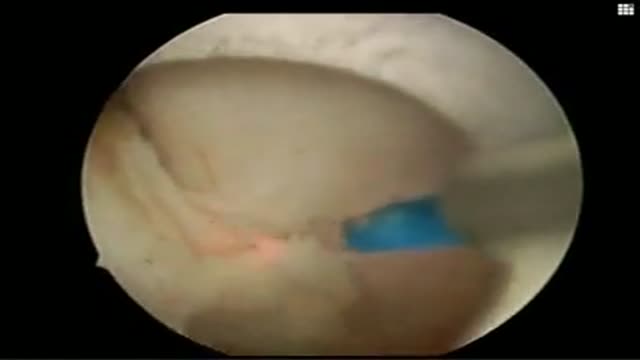
What it is
Laser prostate surgery removes or vaporises obstructing prostate tissue using laser energy delivered through a telescope in the urine tube. HoLEP shells out the inner prostate in whole lobes (removed via a morcellator), suitable for very large glands; GreenLight vaporises tissue, creating an open channel.
Why it is done
Like TURP, these treat benign prostate enlargement symptoms when medicines fail or complications arise. Laser options can suit larger prostates and, in some cases, people who need to stay on blood thinners.
How to prepare
Assessment mirrors TURP: urine and blood tests, flow rate, bladder scan and prostate sizing. The plan for blood thinners is made with the surgical team. Anaesthetic is spinal or general.
What happens during the procedure
Through the resectoscope-like instrument, the laser cuts or vaporises prostate tissue under direct vision. In HoLEP, the freed lobes are minced and suctioned out in the bladder and sent for laboratory testing. Surgery takes one to two hours typically. A catheter is placed afterwards.
Afterwards — recovery & results
Catheter time is often shorter than with TURP (sometimes overnight). Blood in the urine is usually lighter. Irritative symptoms — frequency, urgency, stinging — settle over weeks. Tissue from HoLEP is examined in the laboratory; vaporisation techniques produce little or no tissue specimen, a point your surgeon will discuss.
Risks & considerations
Risks include bleeding, infection, temporary incontinence while tissues settle, narrowing of the urine tube or bladder neck, and retrograde ejaculation (very common after HoLEP). Effects on erections are uncommon. Your urologist will compare techniques for your prostate size.
Watch: Laser prostate surgery (HoLEP / GreenLight) videos
Real procedure videos from the MedicalVideos.com library. Some clinical footage is graphic — that is the nature of a medical video library.
Frequently asked questions
Why choose laser over TURP?
Reasons include very large prostate size (HoLEP), less bleeding, and shorter catheter time in many cases. TURP remains an excellent standard; the choice is individual.
Does GreenLight check for cancer?
Vaporisation leaves almost no tissue to test, so prostate cancer assessment is done beforehand with examination, PSA and scans as appropriate.
Related procedures — Urology Procedures & Tests
Browse the L section of the A–Z list or return to the Procedures & Tests hub.