
- Physical Examination
- Surgical Examination
- Ophthalmology
- Clinical Skills
- Orthopedics
- Surgery Videos
- Laparoscopy
- Pediatrics
- Funny Videos
- Cardiothoracic Surgery
- Nursing Videos
- Plastic Surgery
- Otorhinolaryngology
- Histology and Histopathology
- Neurosurgery
- Dermatology
- Pediatric Surgery
- Urology
- Dentistry
- Oncology and Cancers
- Anatomy Videos
- Health and Fitness
- Radiology
- Anaesthesia
- Physical Therapy
- Pharmacology
- Interventional Radiology
- Cardiology
- Endocrinology
- Gynecology
- Emergency Medicine
- Psychiatry and Psychology
- Childbirth Videos
- General Medical Videos
- Nephrology
- Physiology
- Diet and Food Health
- Diabetes Mellitus
- Neurology
- Women Health
- Osteoporosis
- Gastroenterology
- Pulmonology
- Hematology
- Rheumatology
- Toxicology
- Nuclear Medicine
- Infectious Diseases
- Vascular Disease
- Reproductive Health
- Burns and Wound Healing
- Kidney Zone Podcast
- Other
Lumpectomy (breast-conserving surgery): What to Expect & Recovery
A lumpectomy removes a breast lump or cancer with a rim of normal tissue, preserving the breast. It is often a day case; most people are back to usual activities in about 3 weeks, with radiotherapy usually following for cancer.
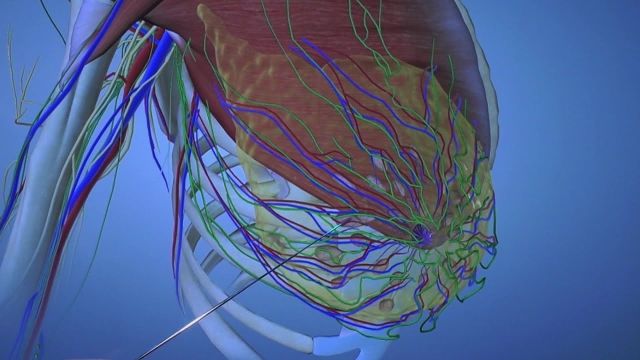
Before surgery: how to prepare
- If the lump cannot be felt, a wire or marker is placed under imaging guidance on the day to guide the surgeon — expect an extra appointment in radiology beforehand.
- Ask whether a sentinel node biopsy is planned at the same time (it usually is, for cancer) and whether a drain is likely — most lumpectomies do not need one.
- Arrange a soft, supportive non-wired bra for afterwards, plus front-opening tops.
- Follow fasting instructions and arrange a lift home after the general anaesthetic.
The day of surgery
Under a general anaesthetic, the surgeon removes the lump with a margin of normal tissue, often through a cut placed to heal discreetly. If the sentinel node procedure is included, a dye or tracer identifies the first draining node for removal. Specimens go to the laboratory for margin and receptor testing. You wake with a dressing, sometimes a small drain, and go home the same day in most cases.
In hospital
Recovery timeline
Every recovery is individual, but most follow this general arc:
Warning signs: when to get help
- Increasing breast pain, swelling or redness (infection or fluid collection)
- A rapidly swelling, tense breast (bleeding)
- Fever, or wound discharge
- Arm swelling on the operated side that does not settle
- Wound opening
Related topics
Watch: real operation videos
From the MedicalVideos library. Some surgical videos are graphic and intended for education.
Frequently asked questions
What if the margins are not clear?
If cancer cells reach the edge of the removed tissue, a second smaller operation to remove more tissue (re-excision) is usually offered; occasionally mastectomy is advised if clear margins cannot be achieved. Results and options are explained at your follow-up — needing more surgery is common and does not mean the cancer has spread.
Will I still need radiotherapy after a lumpectomy?
Usually yes — radiotherapy after breast-conserving surgery substantially reduces the risk of the cancer coming back in the breast, and is standard in most cancer cases. It starts once the wound has healed, typically a few weeks after surgery.
Medically reviewed by Dr. Mohamed Ibrahim, Assistant Professor of Medicine, Transplant Nephrology, University of Maryland School of Medicine. Last reviewed: 12 November 2026.
← More General & Other Surgery · All surgery recovery guides