
- Physical Examination
- Surgical Examination
- Ophthalmology
- Clinical Skills
- Orthopedics
- Surgery Videos
- Laparoscopy
- Pediatrics
- Funny Videos
- Cardiothoracic Surgery
- Nursing Videos
- Plastic Surgery
- Otorhinolaryngology
- Histology and Histopathology
- Neurosurgery
- Dermatology
- Pediatric Surgery
- Urology
- Dentistry
- Oncology and Cancers
- Anatomy Videos
- Health and Fitness
- Radiology
- Anaesthesia
- Physical Therapy
- Pharmacology
- Interventional Radiology
- Cardiology
- Endocrinology
- Gynecology
- Emergency Medicine
- Psychiatry and Psychology
- Childbirth Videos
- General Medical Videos
- Nephrology
- Physiology
- Diet and Food Health
- Diabetes Mellitus
- Neurology
- Women Health
- Osteoporosis
- Gastroenterology
- Pulmonology
- Hematology
- Rheumatology
- Toxicology
- Nuclear Medicine
- Infectious Diseases
- Vascular Disease
- Reproductive Health
- Burns and Wound Healing
- Kidney Zone Podcast
- Other
Lumpectomy (breast-conserving surgery)
Category: General & Abdominal Surgery · All general & abdominal surgery
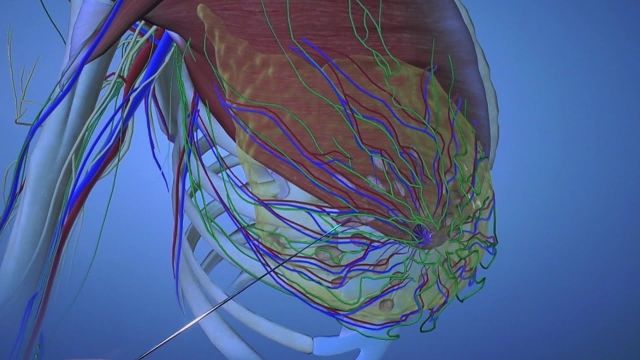
What it is
A lumpectomy (wide local excision) removes a breast cancer together with a margin of healthy tissue, preserving the rest of the breast. It is usually followed by radiotherapy, and outcomes for suitable cancers are equivalent to mastectomy.
Why it is done
It is used for smaller breast cancers where the tumour can be removed with clear margins while keeping a good breast shape, as judged by the surgical team with imaging and pathology.
How to prepare
If the lump cannot be felt, a wire or marker is placed using ultrasound or mammography guidance on the day to guide the surgeon. You fast beforehand and may have sentinel node tracer as for mastectomy if nodes need checking.
What happens during the procedure
Under general anaesthetic the surgeon removes the lump with its margin, sometimes reshaping the remaining tissue (oncoplastic techniques). The specimen is X-rayed to confirm the target was removed. Surgery usually takes 30 to 90 minutes and is often day-case.
Afterwards — recovery & results
Most people go home the same day. Some bruising, swelling and firmness around the wound are normal for weeks. The laboratory checks that margins are clear; occasionally a second small operation is needed if cancer cells reach the edge. Radiotherapy planning follows once wounds heal.
Risks & considerations
Risks include bleeding, infection, fluid collection, changes in breast shape or sensation, and the possibility of further surgery for margins. Combining surgery with radiotherapy has its own effects, explained by your team.
Watch: Lumpectomy (breast-conserving surgery) videos
Real procedure videos from the MedicalVideos.com library. Some clinical footage is graphic — that is the nature of a medical video library.
Related guides on MedicalVideos.com
Frequently asked questions
What are 'clear margins'?
It means a rim of normal tissue surrounds the removed cancer with no cancer cells at the cut edge, reducing the chance of leaving disease behind.
Why radiotherapy after lumpectomy?
It treats any microscopic cells that might remain in the breast and substantially reduces the risk of the cancer coming back in that breast.
Related procedures — General & Abdominal Surgery
Browse the L section of the A–Z list or return to the Procedures & Tests hub.