
- Physical Examination
- Surgical Examination
- Ophthalmology
- Clinical Skills
- Orthopedics
- Surgery Videos
- Laparoscopy
- Pediatrics
- Funny Videos
- Cardiothoracic Surgery
- Nursing Videos
- Plastic Surgery
- Otorhinolaryngology
- Histology and Histopathology
- Neurosurgery
- Dermatology
- Pediatric Surgery
- Urology
- Dentistry
- Oncology and Cancers
- Anatomy Videos
- Health and Fitness
- Radiology
- Anaesthesia
- Physical Therapy
- Pharmacology
- Interventional Radiology
- Cardiology
- Endocrinology
- Gynecology
- Emergency Medicine
- Psychiatry and Psychology
- Childbirth Videos
- General Medical Videos
- Nephrology
- Physiology
- Diet and Food Health
- Diabetes Mellitus
- Neurology
- Women Health
- Osteoporosis
- Gastroenterology
- Pulmonology
- Hematology
- Rheumatology
- Toxicology
- Nuclear Medicine
- Infectious Diseases
- Vascular Disease
- Reproductive Health
- Burns and Wound Healing
- Kidney Zone Podcast
- Other
Parathyroidectomy: What to Expect & Recovery
Removing an overactive parathyroid gland (usually one of four) cures most primary hyperparathyroidism. It is a short neck operation — often home the same day once calcium is checked — and bones, kidneys and energy levels benefit over the following months.
Before surgery: how to prepare
- Imaging (ultrasound and a sestamibi scan) usually localises the abnormal gland beforehand, allowing a focused operation — attend these appointments, as they shorten surgery.
- Tell the team about lithium and thiazide medicines (they affect calcium), vitamin D supplements and blood thinners.
- Blood calcium is sometimes checked during surgery (intraoperative PTH) to confirm the culprit gland is out — expect a slightly longer anaesthetic while results return.
- Arrange a lift home and a quiet day or two; the neck wound is small but the first day is for rest.
The day of surgery
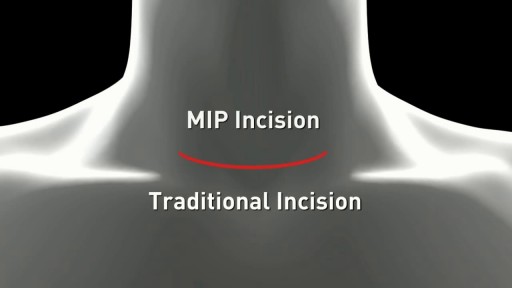
Under a general anaesthetic through a small neck incision, the surgeon removes the enlarged gland (or explores all four if imaging was inconclusive). Blood hormone levels may be checked during the operation to confirm success. You wake with a small dressing; calcium is checked before discharge, and most people go home the same day.
In hospital
Recovery timeline
Every recovery is individual, but most follow this general arc:
Warning signs: when to get help
- Tingling around the lips or in fingers, muscle cramps or spasms (low calcium — contact the team the same day)
- Rapidly swelling neck or breathing difficulty — emergency
- Persistent hoarseness beyond a few weeks
- Fever or wound infection signs
- Return of the old symptoms (thirst, passing lots of urine, abdominal pain) months later — request a calcium check
Related topics
Watch: real operation videos
From the MedicalVideos library. Some surgical videos are graphic and intended for education.
Frequently asked questions
Why might my calcium go low after removing a high-calcium gland?
The remaining parathyroid glands have been suppressed by years of the abnormal gland overworking, and bone that was losing calcium starts reabsorbing it ('hungry bone'). Both can dip blood calcium temporarily — usually managed with supplements and monitoring until things rebalance.
How do we know the surgery worked?
Blood tests: parathyroid hormone falls during or right after the operation, and calcium normalises within days. A normal calcium at follow-up confirms cure in the great majority of cases; persistent high calcium prompts a search for a second abnormal gland.
Medically reviewed by Dr. Mohamed Ibrahim, Assistant Professor of Medicine, Transplant Nephrology, University of Maryland School of Medicine. Last reviewed: 12 November 2026.
← More General & Other Surgery · All surgery recovery guides