
- Physical Examination
- Surgical Examination
- Ophthalmology
- Clinical Skills
- Orthopedics
- Surgery Videos
- Laparoscopy
- Pediatrics
- Funny Videos
- Cardiothoracic Surgery
- Nursing Videos
- Plastic Surgery
- Otorhinolaryngology
- Histology and Histopathology
- Neurosurgery
- Dermatology
- Pediatric Surgery
- Urology
- Dentistry
- Oncology and Cancers
- Anatomy Videos
- Health and Fitness
- Radiology
- Anaesthesia
- Physical Therapy
- Pharmacology
- Interventional Radiology
- Cardiology
- Endocrinology
- Gynecology
- Emergency Medicine
- Psychiatry and Psychology
- Childbirth Videos
- General Medical Videos
- Nephrology
- Physiology
- Diet and Food Health
- Diabetes Mellitus
- Neurology
- Women Health
- Osteoporosis
- Gastroenterology
- Pulmonology
- Hematology
- Rheumatology
- Toxicology
- Nuclear Medicine
- Infectious Diseases
- Vascular Disease
- Reproductive Health
- Burns and Wound Healing
- Kidney Zone Podcast
- Other
Parathyroidectomy
Category: General & Abdominal Surgery · All general & abdominal surgery
What it is
A parathyroidectomy removes one or more overactive parathyroid glands — tiny glands behind the thyroid that control blood calcium. Removing the abnormal gland(s) cures most cases of primary hyperparathyroidism.
Why it is done
It is offered when overactive parathyroids cause high calcium with symptoms or effects such as kidney stones, bone thinning, abdominal symptoms or fatigue, according to guideline criteria discussed with you.
How to prepare
Preparation includes blood calcium and hormone tests, kidney and bone health checks, and usually scans (ultrasound and/or a nuclear medicine scan) to locate the abnormal gland. Vitamin D is often corrected first. You fast before surgery.
What happens during the procedure
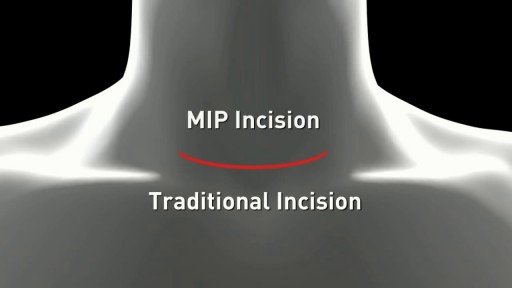
Under general anaesthetic through a small neck cut in a skin crease, the surgeon finds and removes the abnormal gland(s). Hormone levels are sometimes measured during surgery to confirm cure. It usually takes 30 to 90 minutes.
Afterwards — recovery & results
Most people go home the same day or after one night, with calcium blood tests afterwards. Tingling in the fingers or lips can occur briefly if calcium dips while remaining glands recover; calcium and vitamin D supplements are given if needed. Bone health often improves over the following year.
Risks & considerations
Risks include bleeding, infection, voice change from the nearby nerve (uncommon), and low calcium — usually temporary, rarely permanent requiring long-term supplements. Failure to cure or recurrence happens in a small minority and is discussed at follow-up.
Watch: Parathyroidectomy videos
Real procedure videos from the MedicalVideos.com library. Some clinical footage is graphic — that is the nature of a medical video library.
Related guides on MedicalVideos.com
Frequently asked questions
How do calcium and parathyroids connect?
Parathyroid hormone raises blood calcium by acting on bone, kidneys and gut. An overactive gland keeps calcium too high; removing it restores the balance.
Will my kidney stones stop?
Correcting the high calcium removes the driver for this type of stone, so new stone formation usually stops, though existing stones may still need treatment.
Related procedures — General & Abdominal Surgery
Browse the P section of the A–Z list or return to the Procedures & Tests hub.