
- Physical Examination
- Surgical Examination
- Ophthalmology
- Clinical Skills
- Orthopedics
- Surgery Videos
- Laparoscopy
- Pediatrics
- Funny Videos
- Cardiothoracic Surgery
- Nursing Videos
- Plastic Surgery
- Otorhinolaryngology
- Histology and Histopathology
- Neurosurgery
- Dermatology
- Pediatric Surgery
- Urology
- Dentistry
- Oncology and Cancers
- Anatomy Videos
- Health and Fitness
- Radiology
- Anaesthesia
- Physical Therapy
- Pharmacology
- Interventional Radiology
- Cardiology
- Endocrinology
- Gynecology
- Emergency Medicine
- Psychiatry and Psychology
- Childbirth Videos
- General Medical Videos
- Nephrology
- Physiology
- Diet and Food Health
- Diabetes Mellitus
- Neurology
- Women Health
- Osteoporosis
- Gastroenterology
- Pulmonology
- Hematology
- Rheumatology
- Toxicology
- Nuclear Medicine
- Infectious Diseases
- Vascular Disease
- Reproductive Health
- Burns and Wound Healing
- Kidney Zone Podcast
- Other
Prostatectomy (radical prostate removal): What to Expect & Recovery
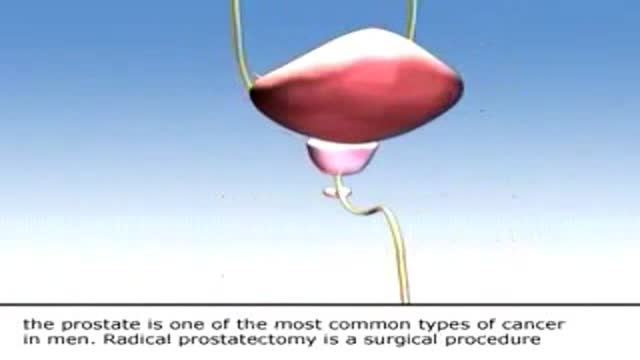
Radical prostatectomy removes the whole prostate for prostate cancer, nowadays usually with robotic keyhole surgery. The operation is the beginning: a catheter for 1 to 2 weeks, then continence that recovers over weeks to months with pelvic floor training, and PSA monitoring to confirm the cancer is controlled.
Before surgery: how to prepare
- Start pelvic floor exercises before surgery if your team provides them — men who learn the technique beforehand recover continence faster afterwards.
- Stock pads for after catheter removal, arrange transport home (you will have a catheter), and plan several weeks of lighter duties.
- Review medicines: blood thinners need a plan, and ask the team about anything affecting healing.
- Understand the follow-up rhythm: catheter removal at 1 to 2 weeks, histology results, then PSA checks — every 3 months or so in the first year (RUH).
The day of surgery
Under a general anaesthetic, usually with the surgical robot, the prostate and seminal vesicles are removed through small keyhole cuts and the bladder is rejoined to the urethra over a catheter, which protects the join while it heals. You wake with the catheter, a drip, and sometimes a drain for a day or two. Walking starts the morning after surgery.
In hospital
Recovery timeline
Every recovery is individual, but most follow this general arc:
Warning signs: when to get help
- The catheter blocking — no urine draining for a couple of hours with bladder discomfort: contact the hospital the same day (RUH advises not to let anyone else flush or replace it)
- Being unable to pass urine after catheter removal
- Heavy bleeding or large clots in the urine
- Fever, shivering or feeling unwell (infection)
- Calf pain or swelling, chest pain or breathlessness
- Worsening leakage with blood after initial improvement
Related topics
Watch: real operation videos
From the MedicalVideos library. Some surgical videos are graphic and intended for education.
Frequently asked questions
How long will I leak urine after the catheter comes out?
Most men leak at first — the bladder neck and sphincter have been operated on and need retraining. Leakage typically improves steadily over weeks to months with pelvic floor exercises; many men are dry or nearly dry by 3 months, and improvement can continue for a year. Persistent severe incontinence is uncommon and has treatments — raise it at follow-up.
Will my erections recover?
If the nerves that run alongside the prostate were spared, erections usually recover gradually over months to up to 2 years, and medicines, vacuum devices or injections can help in the meantime. Recovery depends on age, baseline function and nerve sparing — your surgeon can give your individual estimate.
Medically reviewed by Dr. Mohamed Ibrahim, Assistant Professor of Medicine, Transplant Nephrology, University of Maryland School of Medicine. Last reviewed: 12 November 2026.
← More Urology & Kidney Surgery · All surgery recovery guides