
- Physical Examination
- Surgical Examination
- Ophthalmology
- Clinical Skills
- Orthopedics
- Surgery Videos
- Laparoscopy
- Pediatrics
- Funny Videos
- Cardiothoracic Surgery
- Nursing Videos
- Plastic Surgery
- Otorhinolaryngology
- Histology and Histopathology
- Neurosurgery
- Dermatology
- Pediatric Surgery
- Urology
- Dentistry
- Oncology and Cancers
- Anatomy Videos
- Health and Fitness
- Radiology
- Anaesthesia
- Physical Therapy
- Pharmacology
- Interventional Radiology
- Cardiology
- Endocrinology
- Gynecology
- Emergency Medicine
- Psychiatry and Psychology
- Childbirth Videos
- General Medical Videos
- Nephrology
- Physiology
- Diet and Food Health
- Diabetes Mellitus
- Neurology
- Women Health
- Osteoporosis
- Gastroenterology
- Pulmonology
- Hematology
- Rheumatology
- Toxicology
- Nuclear Medicine
- Infectious Diseases
- Vascular Disease
- Reproductive Health
- Burns and Wound Healing
- Kidney Zone Podcast
- Other
Shoulder arthroscopy and rotator cuff repair: What to Expect & Recovery
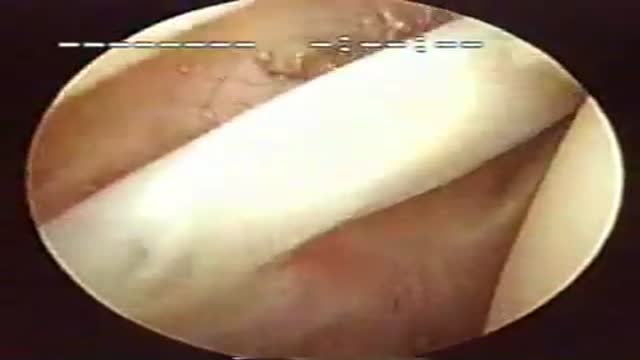
Rotator cuff repair reattaches torn shoulder tendons to the bone through keyhole surgery. The operation is a day case, but tendon healing is slow biology: a sling for several weeks, then physiotherapy progressing from passive movement to strengthening over 3 to 6 months — and full strength commonly taking 6 to 12 months.
Before surgery: how to prepare
- Plan sling life: front-opening clothes, help with washing and dressing, and sleeping propped up or in a recliner for the first weeks.
- Arrange several weeks of modified duties — no lifting, pushing or driving with the operated arm until cleared.
- Ask what sling duration your surgeon uses (commonly around 6 weeks for tendon repairs) and when physiotherapy starts.
- Review medicines and follow fasting instructions as for other day surgery.
The day of surgery
Under a general anaesthetic (often with a nerve block that keeps the shoulder numb for many hours afterwards), the surgeon inspects the joint with a camera, clears inflamed tissue, and reattaches the torn tendon to the bone with anchors and stitches. You wake wearing a sling that supports the arm in the protected position.
In hospital
Recovery timeline
Every recovery is individual, but most follow this general arc:
Warning signs: when to get help
- Pain that suddenly worsens after a fall, stumble or catching the arm (possible re-tear — seek review)
- Fever, wound redness or increasing shoulder pain (infection)
- The hand or arm becoming pale, cold or swollen
- Progressive stiffness despite exercises
- Calf pain or swelling, chest pain or breathlessness
Related topics
Watch: real operation videos
From the MedicalVideos library. Some surgical videos are graphic and intended for education.
Frequently asked questions
Why a sling for so long if it was only keyhole surgery?
The cuts are small but the repair is not: tendon must biologically reattach to bone, a process taking around 6 weeks to gain early strength and months to mature. The sling unloads the repair during its weakest period — taking it off early to 'test' the shoulder is how repairs fail.
Will my shoulder be as strong as before?
For small and medium tears repaired in good time, most people regain excellent function. Large or longstanding tears may not recover full strength and carry a higher re-tear risk. Your surgeon will set expectations based on tear size and tissue quality, and rehabilitation quality is the biggest factor you control.
Medically reviewed by Dr. Mohamed Ibrahim, Assistant Professor of Medicine, Transplant Nephrology, University of Maryland School of Medicine. Last reviewed: 12 November 2026.