
- Physical Examination
- Surgical Examination
- Ophthalmology
- Clinical Skills
- Orthopedics
- Surgery Videos
- Laparoscopy
- Pediatrics
- Funny Videos
- Cardiothoracic Surgery
- Nursing Videos
- Plastic Surgery
- Otorhinolaryngology
- Histology and Histopathology
- Neurosurgery
- Dermatology
- Pediatric Surgery
- Urology
- Dentistry
- Oncology and Cancers
- Anatomy Videos
- Health and Fitness
- Radiology
- Anaesthesia
- Physical Therapy
- Pharmacology
- Interventional Radiology
- Cardiology
- Endocrinology
- Gynecology
- Emergency Medicine
- Psychiatry and Psychology
- Childbirth Videos
- General Medical Videos
- Nephrology
- Physiology
- Diet and Food Health
- Diabetes Mellitus
- Neurology
- Women Health
- Osteoporosis
- Gastroenterology
- Pulmonology
- Hematology
- Rheumatology
- Toxicology
- Nuclear Medicine
- Infectious Diseases
- Vascular Disease
- Reproductive Health
- Burns and Wound Healing
- Kidney Zone Podcast
- Other
Shoulder pain
Category: Muscles, Bones & Joints · All muscles & joints symptoms
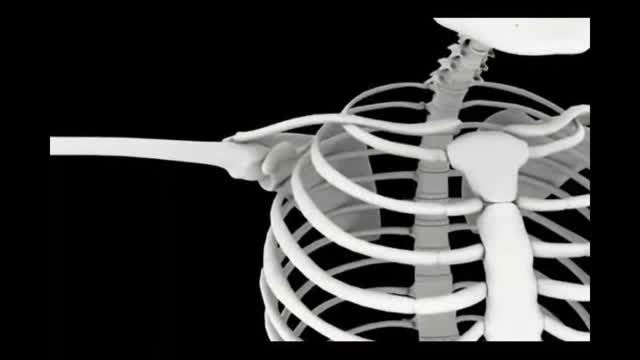
What it can feel like
Shoulder pain is pain in and around the shoulder joint, often worse reaching overhead, lying on that side, or doing up clothing behind the back. The shoulder's wide mobility comes at the price of vulnerability — its tendons pass through a tight space and are easily irritated.
Possible causes
A symptom can have many causes, and most are not serious. The lists below group conditions this symptom can be associated with — common causes first. They are possibilities to discuss with a clinician, not a diagnosis.
Common causes
Shoulder pain can be associated with tendon irritation (impingement), rotator cuff strains, inflammation of the fluid sac (bursa), stiffness of the joint capsule (frozen shoulder) and wear of the small joint at the top of the shoulder.
Other possible causes
Shoulder pain can also be associated with a torn rotator cuff after injury, arthritis of the joint, referred pain from the neck, gallbladder or diaphragm, and — left-sided, on exertion — the heart.
Red flags — when to seek help promptly
- Shoulder pain with chest tightness, breathlessness or sweating — urgent
- Shoulder pain after a fall with inability to lift the arm
- A hot, swollen shoulder with fever
- Shoulder pain with unexplained weight loss, or constant night pain in someone with a history of cancer
What a clinician may do
A clinician will test the movements of the shoulder and neck, feel the tendons, and compare strength. Ultrasound or X-ray images the tendons and joint; physiotherapy is first-line for most causes, with injections or surgical referral for defined problems.
Watch: related videos
Examination and clinical videos from the MedicalVideos.com library relevant to this symptom. Some clinical footage is graphic — that is the nature of a medical video library.
Related guides on MedicalVideos.com
Frequently asked questions
What is a frozen shoulder?
The joint capsule thickens and tightens, progressively restricting movement in all directions — classically over months, then slowly thawing over one to three years. It is more common with diabetes and after shoulder injury or surgery. Early recognition matters because the stiffening phase is when treatment helps most.
Why does the doctor move my neck for shoulder pain?
Nerves leaving the neck supply the shoulder region, and a trapped neck nerve commonly masquerades as shoulder pain. Testing the neck and comparing shoulder movements separates joint pain (painful arc on movement) from referred nerve pain.
Related symptoms — Muscles, Bones & Joints
Browse the S section of the A–Z list or return to the Symptoms A–Z hub.