
- Physical Examination
- Surgical Examination
- Ophthalmology
- Clinical Skills
- Orthopedics
- Surgery Videos
- Laparoscopy
- Pediatrics
- Funny Videos
- Cardiothoracic Surgery
- Nursing Videos
- Plastic Surgery
- Otorhinolaryngology
- Histology and Histopathology
- Neurosurgery
- Dermatology
- Pediatric Surgery
- Urology
- Dentistry
- Oncology and Cancers
- Anatomy Videos
- Health and Fitness
- Radiology
- Anaesthesia
- Physical Therapy
- Pharmacology
- Interventional Radiology
- Cardiology
- Endocrinology
- Gynecology
- Emergency Medicine
- Psychiatry and Psychology
- Childbirth Videos
- General Medical Videos
- Nephrology
- Physiology
- Diet and Food Health
- Diabetes Mellitus
- Neurology
- Women Health
- Osteoporosis
- Gastroenterology
- Pulmonology
- Hematology
- Rheumatology
- Toxicology
- Nuclear Medicine
- Infectious Diseases
- Vascular Disease
- Reproductive Health
- Burns and Wound Healing
- Kidney Zone Podcast
- Other
Skin lesion excision: What to Expect & Recovery
Excision removes a skin lesion completely with a margin of normal skin, under local anaesthetic, and sends it for laboratory diagnosis. It takes minutes; the scar takes months to mature, and results usually follow within a few weeks.
Before surgery: how to prepare
- Tell the clinician about blood thinners, allergies (including to local anaesthetic and dressings), pacemakers (if cautery is used) and any tendency to keloid scars.
- You do not usually need to fast — it is local anaesthetic only; eat normally.
- Plan for the scar's location: if on the leg, arrange to keep weight and sport light for a couple of weeks; tight closures there split easily.
- Ask about the results pathway — who contacts whom, and by when — before you leave.
The day of surgery
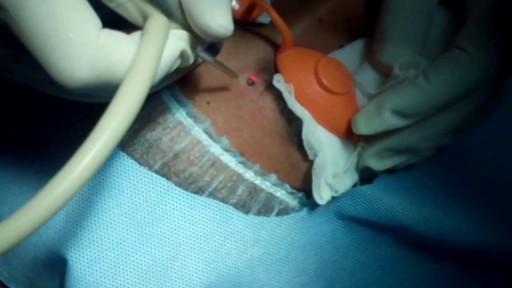
After photographs and marking, local anaesthetic numbs the area (a brief sting). The lesion is cut out as an ellipse with its margin, bleeding points are sealed, and the skin is closed with stitches — sometimes in two layers, with deeper dissolving stitches. A dressing is applied and the specimen goes to the laboratory. The whole appointment usually takes well under an hour.
In hospital
Recovery timeline
Every recovery is individual, but most follow this general arc:
Warning signs: when to get help
- Increasing pain, redness spreading, or pus (infection)
- Bleeding that does not stop with 15 minutes of firm pressure
- The wound gaping open
- Fever
- A new or changing lesion near the scar while awaiting results — mention at follow-up
Related topics
Watch: real operation videos
From the MedicalVideos library. Some surgical videos are graphic and intended for education.
Frequently asked questions
What if the result is skin cancer?
Many skin cancers are cured by the excision itself if the margin is clear — the report says so explicitly. If margins are involved or the type needs it, a further wider excision or referral to a skin cancer team follows. You will be contacted with the result and plan; not hearing quickly usually means processing time, not bad news.
How can I get the best scar?
Keep the wound undisturbed while stitches are in, avoid stretching the area for a few weeks after, moisturise and massage once healed, and protect the scar from sun for a year. Scars look worst at 6 to 8 weeks and then improve for months — judge the result at a year, not a month.
Medically reviewed by Dr. Mohamed Ibrahim, Assistant Professor of Medicine, Transplant Nephrology, University of Maryland School of Medicine. Last reviewed: 12 November 2026.
← More General & Other Surgery · All surgery recovery guides