
- Physical Examination
- Surgical Examination
- Ophthalmology
- Clinical Skills
- Orthopedics
- Surgery Videos
- Laparoscopy
- Pediatrics
- Funny Videos
- Cardiothoracic Surgery
- Nursing Videos
- Plastic Surgery
- Otorhinolaryngology
- Histology and Histopathology
- Neurosurgery
- Dermatology
- Pediatric Surgery
- Urology
- Dentistry
- Oncology and Cancers
- Anatomy Videos
- Health and Fitness
- Radiology
- Anaesthesia
- Physical Therapy
- Pharmacology
- Interventional Radiology
- Cardiology
- Endocrinology
- Gynecology
- Emergency Medicine
- Psychiatry and Psychology
- Childbirth Videos
- General Medical Videos
- Nephrology
- Physiology
- Diet and Food Health
- Diabetes Mellitus
- Neurology
- Women Health
- Osteoporosis
- Gastroenterology
- Pulmonology
- Hematology
- Rheumatology
- Toxicology
- Nuclear Medicine
- Infectious Diseases
- Vascular Disease
- Reproductive Health
- Burns and Wound Healing
- Kidney Zone Podcast
- Other
Skin lesion excision
Category: General & Abdominal Surgery · All general & abdominal surgery
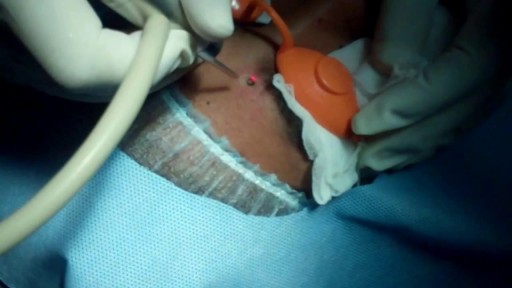
What it is
Excision of a skin lesion removes a mole, lump or area of changed skin under local anaesthetic, together with a small margin of normal skin. The tissue is sent to the laboratory for examination.
Why it is done
It is done to diagnose or completely remove suspicious skin changes, skin cancers, and benign but troublesome lesions such as cysts.
How to prepare
No fasting is needed for local anaesthetic procedures. Tell the clinician about blood-thinning medicines, allergies (especially to local anaesthetic), pacemakers (if diathermy may be used) and any tendency to keloid scarring.
What happens during the procedure
The area is numbed with an injection that stings briefly. The lesion is cut out as an ellipse, bleeding is sealed, and the wound is closed with stitches. It takes about 20 to 40 minutes and you should feel no pain during it, only pressure and movement.
Afterwards — recovery & results
You go home the same day with a dressing and wound-care instructions. Stitches are removed or dissolve over one to two weeks depending on site and type. You will be told how results will reach you — usually within a few weeks, sooner if urgent.
Risks & considerations
Risks include bleeding, infection, a visible scar (which usually fades over months), wound opening, and changes in sensation around the scar. If the report shows the lesion was not fully removed or needs wider treatment, you will be recalled to discuss it.
Watch: Skin lesion excision videos
Real procedure videos from the MedicalVideos.com library. Some clinical footage is graphic — that is the nature of a medical video library.
Related guides on MedicalVideos.com
Frequently asked questions
Will it leave a scar?
Yes — any excision leaves a scar, placed where possible in natural skin lines. Most fade considerably over 6 to 12 months.
What if the result shows skin cancer?
Many are cured by the excision itself if margins are clear. Others need wider excision or follow-up; your result letter or clinic will explain the plan.
Related procedures — General & Abdominal Surgery
Browse the S section of the A–Z list or return to the Procedures & Tests hub.