
- Physical Examination
- Surgical Examination
- Ophthalmology
- Clinical Skills
- Orthopedics
- Surgery Videos
- Laparoscopy
- Pediatrics
- Funny Videos
- Cardiothoracic Surgery
- Nursing Videos
- Plastic Surgery
- Otorhinolaryngology
- Histology and Histopathology
- Neurosurgery
- Dermatology
- Pediatric Surgery
- Urology
- Dentistry
- Oncology and Cancers
- Anatomy Videos
- Health and Fitness
- Radiology
- Anaesthesia
- Physical Therapy
- Pharmacology
- Interventional Radiology
- Cardiology
- Endocrinology
- Gynecology
- Emergency Medicine
- Psychiatry and Psychology
- Childbirth Videos
- General Medical Videos
- Nephrology
- Physiology
- Diet and Food Health
- Diabetes Mellitus
- Neurology
- Women Health
- Osteoporosis
- Gastroenterology
- Pulmonology
- Hematology
- Rheumatology
- Toxicology
- Nuclear Medicine
- Infectious Diseases
- Vascular Disease
- Reproductive Health
- Burns and Wound Healing
- Kidney Zone Podcast
- Other
Testicular torsion surgery (emergency): What to Expect & Recovery
Torsion surgery is an emergency: the testicle has twisted on its cord, cutting off its blood supply, and hours decide whether it survives. The operation untwists and fixes the testicle — and usually fixes the other side too, since the same anatomy is usually present there.
Before surgery: how to prepare
- There is no preparation phase: sudden severe testicle pain is an emergency — go to the emergency department immediately, day or night. Do not wait to see if it settles.
- Tell the emergency team when the pain started precisely — the clock from symptom onset guides decisions.
- Do not eat or drink once you arrive, in case of immediate surgery under general anaesthetic.
- Boys and young men are the typical patients; a parent or guardian should stay with younger patients.
The day of surgery
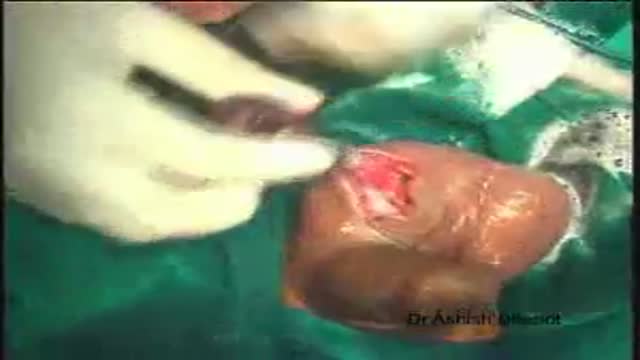
Under a general anaesthetic, the surgeon opens the scrotum, untwists the cord and assesses the testicle's colour and blood flow. A surviving testicle is stitched in place (fixation) so it cannot twist again; a dead testicle is removed. The other testicle is usually fixed at the same operation as a precaution.
In hospital
Recovery timeline
Every recovery is individual, but most follow this general arc:
Warning signs: when to get help
- Sudden severe testicle pain at any time in the future — emergency department immediately, always
- Increasing scrotal swelling, redness or pain after surgery
- Fever or wound discharge (infection)
- Bleeding or a rapidly enlarging swelling
- Vomiting with abdominal pain
Related topics
Watch: real operation videos
From the MedicalVideos library. Some surgical videos are graphic and intended for education.
Frequently asked questions
Why did this happen to me?
Some males are born with the testicle hanging more freely inside the scrotum (the 'bell-clapper' arrangement), which allows it to spin. It is an anatomical variant, not something caused by anything you did — and it is usually present on both sides, which is why the other testicle is fixed at the same operation.
Does losing one testicle affect fertility?
Usually not — one healthy testicle produces enough sperm and testosterone for normal fertility and development. If the remaining testicle ever has problems, that is when it matters, which is another reason any future testicle pain should always be treated as an emergency.
Medically reviewed by Dr. Mohamed Ibrahim, Assistant Professor of Medicine, Transplant Nephrology, University of Maryland School of Medicine. Last reviewed: 12 November 2026.
← More Urology & Kidney Surgery · All surgery recovery guides