
- Physical Examination
- Surgical Examination
- Ophthalmology
- Clinical Skills
- Orthopedics
- Surgery Videos
- Laparoscopy
- Pediatrics
- Funny Videos
- Cardiothoracic Surgery
- Nursing Videos
- Plastic Surgery
- Otorhinolaryngology
- Histology and Histopathology
- Neurosurgery
- Dermatology
- Pediatric Surgery
- Urology
- Dentistry
- Oncology and Cancers
- Anatomy Videos
- Health and Fitness
- Radiology
- Anaesthesia
- Physical Therapy
- Pharmacology
- Interventional Radiology
- Cardiology
- Endocrinology
- Gynecology
- Emergency Medicine
- Psychiatry and Psychology
- Childbirth Videos
- General Medical Videos
- Nephrology
- Physiology
- Diet and Food Health
- Diabetes Mellitus
- Neurology
- Women Health
- Osteoporosis
- Gastroenterology
- Pulmonology
- Hematology
- Rheumatology
- Toxicology
- Nuclear Medicine
- Infectious Diseases
- Vascular Disease
- Reproductive Health
- Burns and Wound Healing
- Kidney Zone Podcast
- Other
Testicular torsion surgery (emergency)
Category: Urology Procedures & Tests · All urology procedures & tests
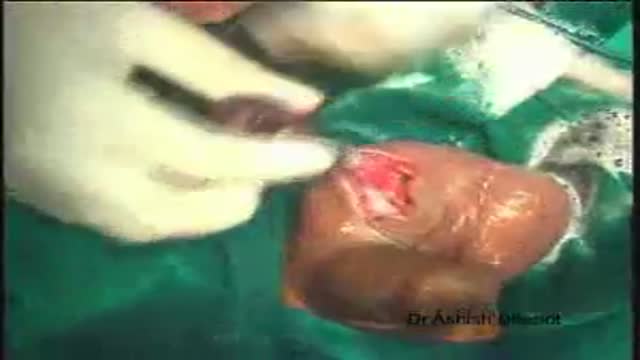
What it is
Testicular torsion is a twisting of the testicle on its cord, cutting off its blood supply — a surgical emergency, most common in teenagers and young men. Surgery untwists the testicle, checks whether it recovers, and fixes both testicles in place (orchidopexy) so it cannot happen again.
Why it is done
Sudden severe testicular pain, often with nausea and a high-riding testicle, is torsion until proven otherwise. Time is critical — the chance of saving the testicle falls sharply after about six hours, so assessment is immediate in emergency care.
How to prepare
Do not eat or drink once torsion is suspected, in case of anaesthetic. Examination is usually conclusive; an ultrasound may be done only if it does not delay theatre. Antibiotics are not a substitute for surgery.
What happens during the procedure
Through a scrotal cut under general anaesthetic, the surgeon untwists the cord and wraps the testicle in a warm pack to see if blood flow returns. A viable testicle is stitched in place; the other testicle is fixed at the same operation because the predisposition is usually on both sides. A testicle that has died is removed.
Afterwards — recovery & results
Recovery is over one to two weeks with supportive underwear and rest from sport. If the testicle was saved, follow-up checks it stays healthy (a saved testicle can occasionally shrink over time). If one was removed, the other maintains hormones and fertility in most cases.
Risks & considerations
Risks include the testicle not surviving despite surgery, bleeding, infection, later shrinkage of the saved testicle, and recurrent torsion (rare after fixation). The overriding risk is delay — always treat sudden testicular pain as an emergency.
Watch: Testicular torsion surgery (emergency) videos
Real procedure videos from the MedicalVideos.com library. Some clinical footage is graphic — that is the nature of a medical video library.
Frequently asked questions
Why fix the other side too?
The loose attachment that allows twisting is usually present in both testicles. Fixing the healthy side prevents a second emergency that could leave no testicles at all.
Could it be something else?
Infection (epididymitis), a small twisted appendix of the testicle and other causes mimic torsion — but because missing torsion costs the testicle, exploration is performed whenever suspicion is reasonable.
Related procedures — Urology Procedures & Tests
Browse the T section of the A–Z list or return to the Procedures & Tests hub.