
- Physical Examination
- Surgical Examination
- Ophthalmology
- Clinical Skills
- Orthopedics
- Surgery Videos
- Laparoscopy
- Pediatrics
- Funny Videos
- Cardiothoracic Surgery
- Nursing Videos
- Plastic Surgery
- Otorhinolaryngology
- Histology and Histopathology
- Neurosurgery
- Dermatology
- Pediatric Surgery
- Urology
- Dentistry
- Oncology and Cancers
- Anatomy Videos
- Health and Fitness
- Radiology
- Anaesthesia
- Physical Therapy
- Pharmacology
- Interventional Radiology
- Cardiology
- Endocrinology
- Gynecology
- Emergency Medicine
- Psychiatry and Psychology
- Childbirth Videos
- General Medical Videos
- Nephrology
- Physiology
- Diet and Food Health
- Diabetes Mellitus
- Neurology
- Women Health
- Osteoporosis
- Gastroenterology
- Pulmonology
- Hematology
- Rheumatology
- Toxicology
- Nuclear Medicine
- Infectious Diseases
- Vascular Disease
- Reproductive Health
- Burns and Wound Healing
- Kidney Zone Podcast
- Other
Varicose vein procedures: What to Expect & Recovery
Modern varicose vein treatment — heat ablation, foam injections or surgery — is day-case treatment with a deliberately active recovery: you walk out and keep walking. Bruising and tender lumps along the treated vein are the normal texture of the first weeks.
Before surgery: how to prepare
- Bring or be fitted for compression stockings as your unit advises — you will wear them after treatment for a period.
- Tell the team about blood-thinning medicines, previous clots and any hormone treatments, as they affect clot-risk planning.
- Arrange a lift home if you are having sedation, and plan walking into your first days — you will be told to move, not rest.
- Time off needed is short — usually 2 days to 1 week depending on the work (Guy's and St Thomas') — but confirm what your unit advises for your treatment type.
The day of surgery
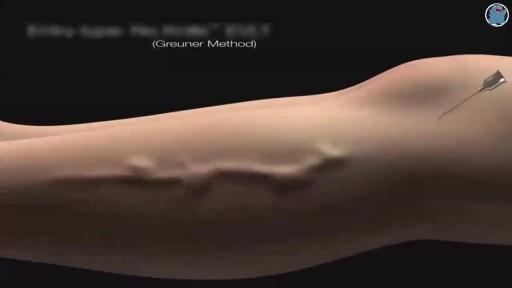
Depending on the technique, under local anaesthetic (heat ablation, foam) or a general anaesthetic (surgery), the faulty vein is sealed, injected or removed through tiny incisions. A stocking or bandage is applied, and after a short recovery and a walk, you go home the same day.
In hospital
Recovery timeline
Every recovery is individual, but most follow this general arc:
Warning signs: when to get help
- Calf pain or swelling in one leg, especially with warmth or redness (possible deep vein thrombosis)
- Chest pain or breathlessness — emergency help
- Bleeding through dressings, or a wound becoming red, hot and increasingly painful
- New visual disturbance or weakness after foam treatment — seek urgent advice
- A rapidly enlarging, very painful lump
Related topics
Watch: real operation videos
From the MedicalVideos library. Some surgical videos are graphic and intended for education.
Frequently asked questions
Why do I have hard, tender lumps after treatment?
They are sections of treated vein and trapped blood under the skin — an expected part of healing after ablation and avulsions. They feel alarming but typically soften and shrink over weeks to a few months. Anti-inflammatory painkillers and walking help; a lump that becomes hot, red and increasingly painful should be checked for vein inflammation or infection.
Will treating the veins damage my circulation?
No. The deep veins, which do the important work of returning blood from the leg, are not touched — only the faulty surface veins that were already returning blood poorly are closed or removed, and blood reroutes through healthy veins.
Medically reviewed by Dr. Mohamed Ibrahim, Assistant Professor of Medicine, Transplant Nephrology, University of Maryland School of Medicine. Last reviewed: 12 November 2026.
← More Heart & Vascular Surgery · All surgery recovery guides