- Physical Examination
- Surgical Examination
- Ophthalmology
- Clinical Skills
- Orthopedics
- Surgery Videos
- Laparoscopy
- Pediatrics
- Funny Videos
- Cardiothoracic Surgery
- Nursing Videos
- Plastic Surgery
- Otorhinolaryngology
- Histology and Histopathology
- Neurosurgery
- Dermatology
- Pediatric Surgery
- Urology
- Dentistry
- Oncology and Cancers
- Anatomy Videos
- Health and Fitness
- Radiology
- Anaesthesia
- Physical Therapy
- Pharmacology
- Interventional Radiology
- Cardiology
- Endocrinology
- Gynecology
- Emergency Medicine
- Psychiatry and Psychology
- Childbirth Videos
- General Medical Videos
- Nephrology
- Physiology
- Diet and Food Health
- Diabetes Mellitus
- Neurology
- Women Health
- Osteoporosis
- Gastroenterology
- Pulmonology
- Hematology
- Rheumatology
- Toxicology
- Nuclear Medicine
- Infectious Diseases
- Vascular Disease
- Reproductive Health
- Burns and Wound Healing
- Kidney Zone Podcast
- Other
Blood Vessels
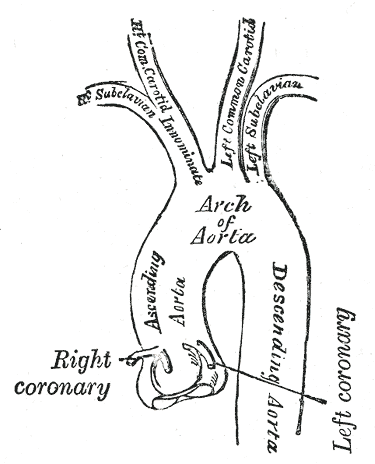
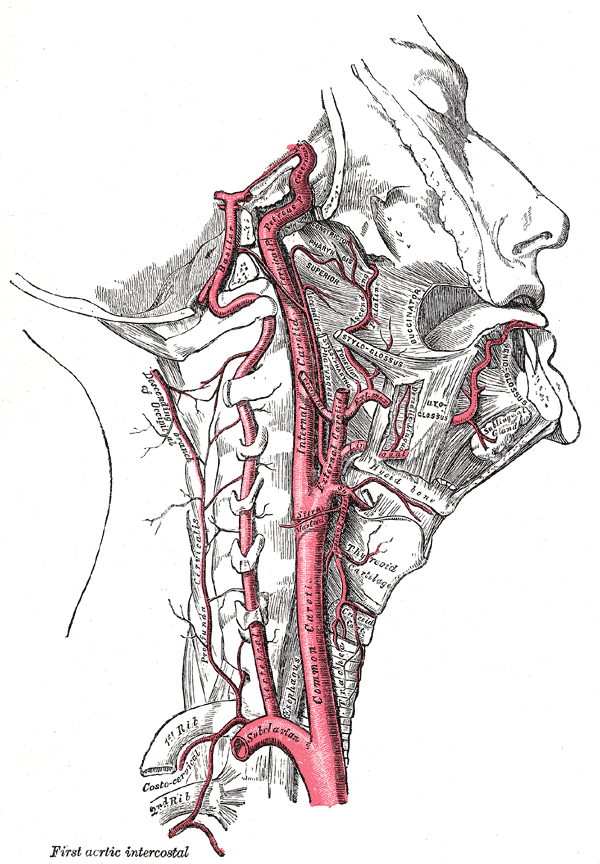
Gray's Anatomy (1918) plate, public domain
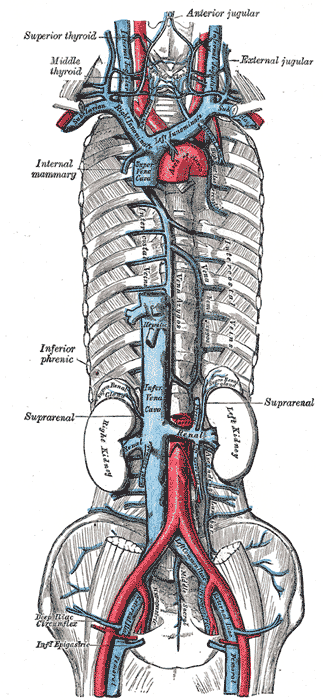
Blood vessels are the body's distribution network: arteries carry blood away from the heart, dividing into ever-smaller branches until the capillaries — microscopic, single-cell-thick vessels where oxygen, nutrients and waste are exchanged with the tissues. Veins collect the blood and return it to the heart. Laid end to end, an adult's vessels would stretch for tens of thousands of miles, most of it capillaries.
Key facts
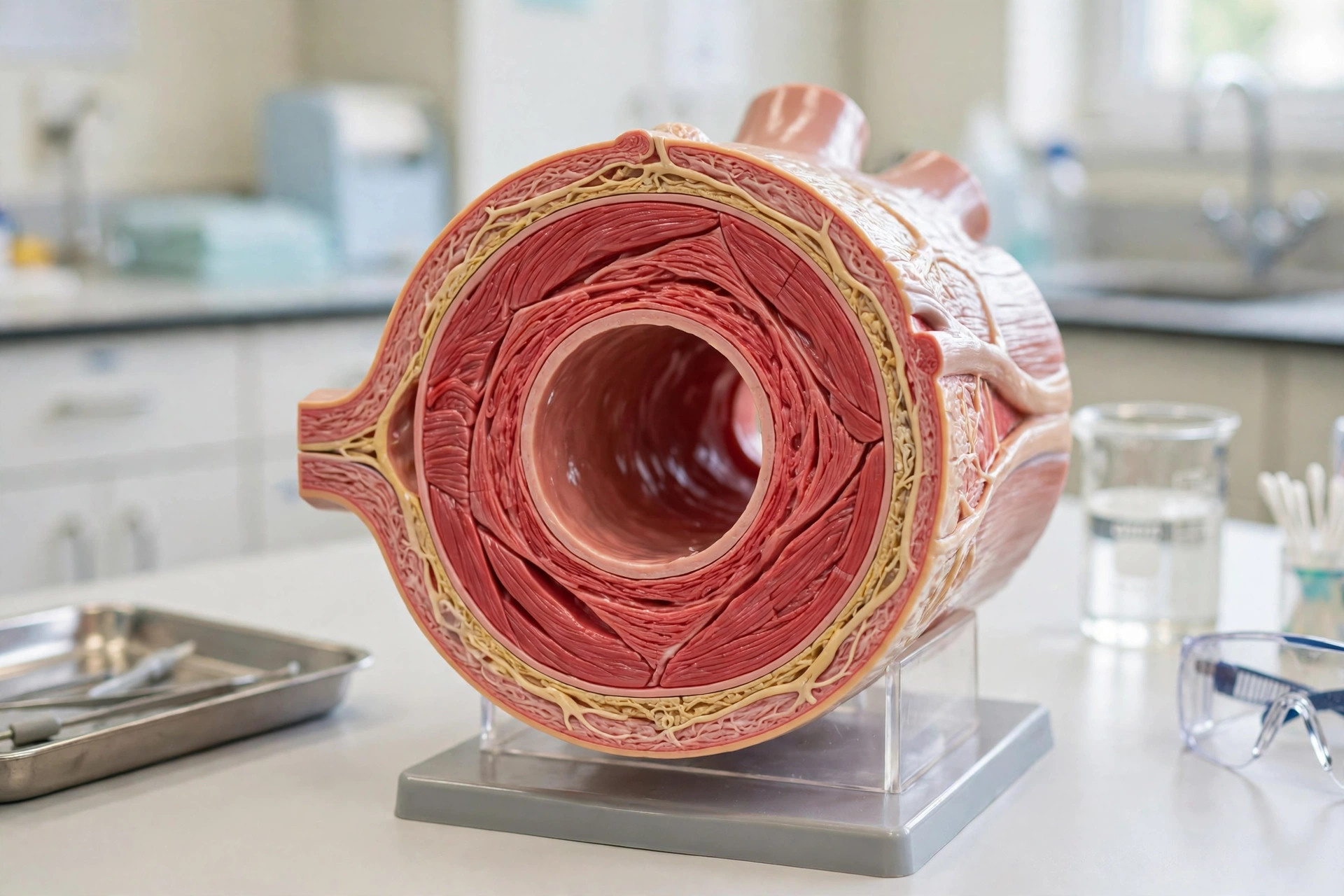
- Arteries have thick, muscular, elastic walls; veins have thinner walls and one-way valves.
- Capillaries are so narrow that red cells pass in single file.
- Most of the blood volume at any moment is in the veins — they are the reservoir.
- Vessel walls are living tissue with their own nerves and blood supply.
- The lining of all vessels (endothelium) actively regulates flow, clotting and inflammation.
What can go wrong
Vessel problems include atherosclerosis (narrowing of arteries), varicose veins (failed vein valves), venous clots (deep vein thrombosis) that can travel to the lungs, and inflammation of vessel walls (vasculitis). Diabetes and high blood pressure damage vessels throughout the body over time, which is why controlling them protects so many organs.
Related conditions
Related procedures & tests
- Leg Doppler ultrasound (vein scan)
- Varicose vein procedures
- Peripheral angiography and angioplasty (leg arteries)
Related symptoms
Watch: related videos
Frequently asked questions
Why do veins have valves but arteries do not?
Arterial blood is pushed by the heart's pressure; venous blood, especially from the legs, flows at low pressure against gravity and would fall backwards without one-way valves helped by muscle pumps.
How much of the network is capillaries?
Almost all of its length. Capillaries are where the entire purpose of the circulation — exchange with the tissues — happens; arteries and veins are essentially the supply and drainage plumbing.
Educational information only. This atlas explains normal anatomy and describes conditions in general terms; it is not medical advice and does not replace assessment by a qualified clinician. If you have symptoms that worry you, seek medical care.