
- Physical Examination
- Surgical Examination
- Ophthalmology
- Clinical Skills
- Orthopedics
- Surgery Videos
- Laparoscopy
- Pediatrics
- Funny Videos
- Cardiothoracic Surgery
- Nursing Videos
- Plastic Surgery
- Otorhinolaryngology
- Histology and Histopathology
- Neurosurgery
- Dermatology
- Pediatric Surgery
- Urology
- Dentistry
- Oncology and Cancers
- Anatomy Videos
- Health and Fitness
- Radiology
- Anaesthesia
- Physical Therapy
- Pharmacology
- Interventional Radiology
- Cardiology
- Endocrinology
- Gynecology
- Emergency Medicine
- Psychiatry and Psychology
- Childbirth Videos
- General Medical Videos
- Nephrology
- Physiology
- Diet and Food Health
- Diabetes Mellitus
- Neurology
- Women Health
- Osteoporosis
- Gastroenterology
- Pulmonology
- Hematology
- Rheumatology
- Toxicology
- Nuclear Medicine
- Infectious Diseases
- Vascular Disease
- Reproductive Health
- Burns and Wound Healing
- Kidney Zone Podcast
- Other
Varicose vein procedures
Category: General & Abdominal Surgery · All general & abdominal surgery
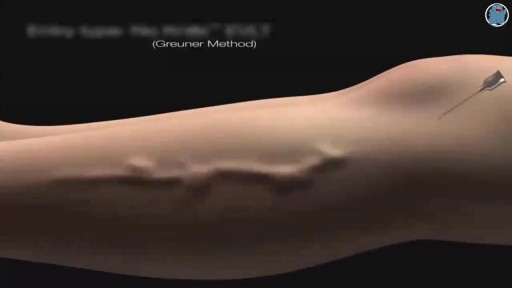
What it is
Modern varicose vein treatment usually closes the faulty vein from inside rather than removing it: endothermal ablation uses heat (laser or radiofrequency) through a fine catheter, foam sclerotherapy uses an injected foam, and some veins are removed through tiny incisions (phlebectomies). Open surgery (ligation and stripping) is now less common.
Why it is done
Treatment is offered for symptomatic varicose veins — aching, swelling, skin changes, bleeding or ulcers — after an ultrasound scan maps the faulty veins, in line with local funding criteria.
How to prepare
A duplex ultrasound scan maps your veins first. Most endovenous treatments are done awake under local anaesthetic in a clinic or day unit; you will be told if you need to fast (usually only for sedation or general anaesthetic). Tell the team about blood thinners and allergies.
What happens during the procedure
Under ultrasound guidance, the catheter or needle is placed in the vein, local anaesthetic is injected around it, and the vein is heated or filled with foam to seal it shut. Small veins may be removed through 2–3 mm nicks or injected. Treatment takes 30 to 60 minutes per leg, and you walk immediately afterwards.
Afterwards — recovery & results
You will wear a compression stocking for a period as advised and walk daily. Bruising, tightness along the treated vein and lumps are common for a few weeks. Most people return to work in a day or two. Follow-up may include a scan to confirm closure.
Risks & considerations
Risks include bruising, skin staining from foam, inflammation of the vein (phlebitis), numb patches from small nerve irritation, and rarely deep vein thrombosis or foam effects on vision (temporary). Treated veins can occasionally reopen over years and new varicose veins can develop.
Watch: Varicose vein procedures videos
Real procedure videos from the MedicalVideos.com library. Some clinical footage is graphic — that is the nature of a medical video library.
Related guides on MedicalVideos.com
Frequently asked questions
If the vein is closed, where does the blood go?
The treated vein was already failing and allowing backflow. Blood simply returns through the many remaining healthy deep veins, which is the intended effect.
Do I have to wear stockings?
For a period after treatment, yes — they reduce bruising and help the vein stay closed. Your team will tell you how long.
Related procedures — General & Abdominal Surgery
Browse the V section of the A–Z list or return to the Procedures & Tests hub.