
- Physical Examination
- Surgical Examination
- Ophthalmology
- Clinical Skills
- Orthopedics
- Surgery Videos
- Laparoscopy
- Pediatrics
- Funny Videos
- Cardiothoracic Surgery
- Nursing Videos
- Plastic Surgery
- Otorhinolaryngology
- Histology and Histopathology
- Neurosurgery
- Dermatology
- Pediatric Surgery
- Urology
- Dentistry
- Oncology and Cancers
- Anatomy Videos
- Health and Fitness
- Radiology
- Anaesthesia
- Physical Therapy
- Pharmacology
- Interventional Radiology
- Cardiology
- Endocrinology
- Gynecology
- Emergency Medicine
- Psychiatry and Psychology
- Childbirth Videos
- General Medical Videos
- Nephrology
- Physiology
- Diet and Food Health
- Diabetes Mellitus
- Neurology
- Women Health
- Osteoporosis
- Gastroenterology
- Pulmonology
- Hematology
- Rheumatology
- Toxicology
- Nuclear Medicine
- Infectious Diseases
- Vascular Disease
- Reproductive Health
- Burns and Wound Healing
- Kidney Zone Podcast
- Other
Blurred vision
Category: Head, Eyes, Ears, Nose & Throat · All head & senses symptoms
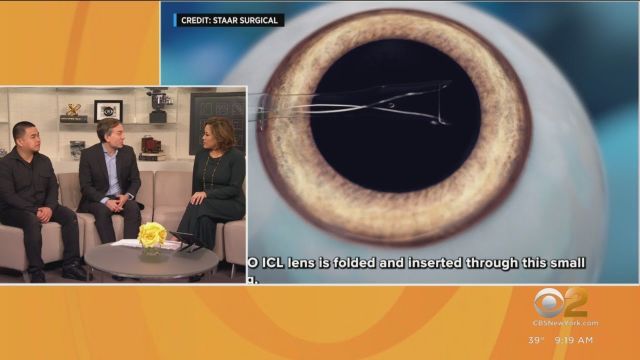
What it can feel like
Blurred vision means the world looks out of focus — in one eye or both, for near, distance or everything, arriving gradually or suddenly. Because the causes range from needing glasses to stroke, the pattern matters: cover each eye in turn to check whether it is truly one-sided.
Possible causes
A symptom can have many causes, and most are not serious. The lists below group conditions this symptom can be associated with — common causes first. They are possibilities to discuss with a clinician, not a diagnosis.
Common causes
Gradual blurring can be associated with uncorrected short or long sight, astigmatism, the age-related loss of near focus (presbyopia), dry eyes, and cataract clouding the lens.
Other possible causes
Sudden blurring can be associated with migraine aura, inflammation of the eye or optic nerve, a detached retina, bleeding inside the eye in diabetes, or stroke affecting the visual pathways — sudden visual loss is always assessed the same day.
Red flags — when to seek help promptly
- Sudden loss or blurring of vision in one or both eyes — emergency
- Blurred vision with a shower of new floaters, flashes or a shadow/curtain over vision
- Blurred vision with eye pain, redness or coloured haloes around lights
- Blurred vision with weakness, speech change or facial droop — possible stroke
- Gradual blurring with excessive thirst and weight loss
What a clinician may do
An optometrist or clinician will test vision in each eye separately, check glasses prescription, examine the lens and the back of the eye, and measure eye pressure. Blood tests (including sugar) and urgent eye hospital referral follow the pattern found.
Watch: related videos
Examination and clinical videos from the MedicalVideos.com library relevant to this symptom. Some clinical footage is graphic — that is the nature of a medical video library.
Related guides on MedicalVideos.com
Frequently asked questions
Why check one eye at a time?
Because two-eyed blurring is often optical (glasses, cataract, dry eye), while one-eyed blurring localises the problem to that eye or its nerve. People often discover a one-eyed problem only when they happen to cover the good eye — sometimes years late.
Can diabetes blur vision temporarily?
Yes — when blood sugar swings high, the lens absorbs water and changes shape, blurring focus for days to weeks. It settles as sugar stabilises (wait before changing glasses), but it is also a prompt to check sugar control and screening for eye damage.
Related symptoms — Head, Eyes, Ears, Nose & Throat
Browse the B section of the A–Z list or return to the Symptoms A–Z hub.