
- Physical Examination
- Surgical Examination
- Ophthalmology
- Clinical Skills
- Orthopedics
- Surgery Videos
- Laparoscopy
- Pediatrics
- Funny Videos
- Cardiothoracic Surgery
- Nursing Videos
- Plastic Surgery
- Otorhinolaryngology
- Histology and Histopathology
- Neurosurgery
- Dermatology
- Pediatric Surgery
- Urology
- Dentistry
- Oncology and Cancers
- Anatomy Videos
- Health and Fitness
- Radiology
- Anaesthesia
- Physical Therapy
- Pharmacology
- Interventional Radiology
- Cardiology
- Endocrinology
- Gynecology
- Emergency Medicine
- Psychiatry and Psychology
- Childbirth Videos
- General Medical Videos
- Nephrology
- Physiology
- Diet and Food Health
- Diabetes Mellitus
- Neurology
- Women Health
- Osteoporosis
- Gastroenterology
- Pulmonology
- Hematology
- Rheumatology
- Toxicology
- Nuclear Medicine
- Infectious Diseases
- Vascular Disease
- Reproductive Health
- Burns and Wound Healing
- Kidney Zone Podcast
- Other
Babies & Children
Symptoms in babies and children: fever, rashes, coughs, crying, feeding problems and tummy upsets. Children become unwell quickly and recover quickly, and these pages focus on the behaviour and warning signs parents are usually advised to watch for, and when to seek help the same day.
This page lists all 14 of them in the guide. Open any symptom for its possible causes, red-flag list and frequently asked questions.
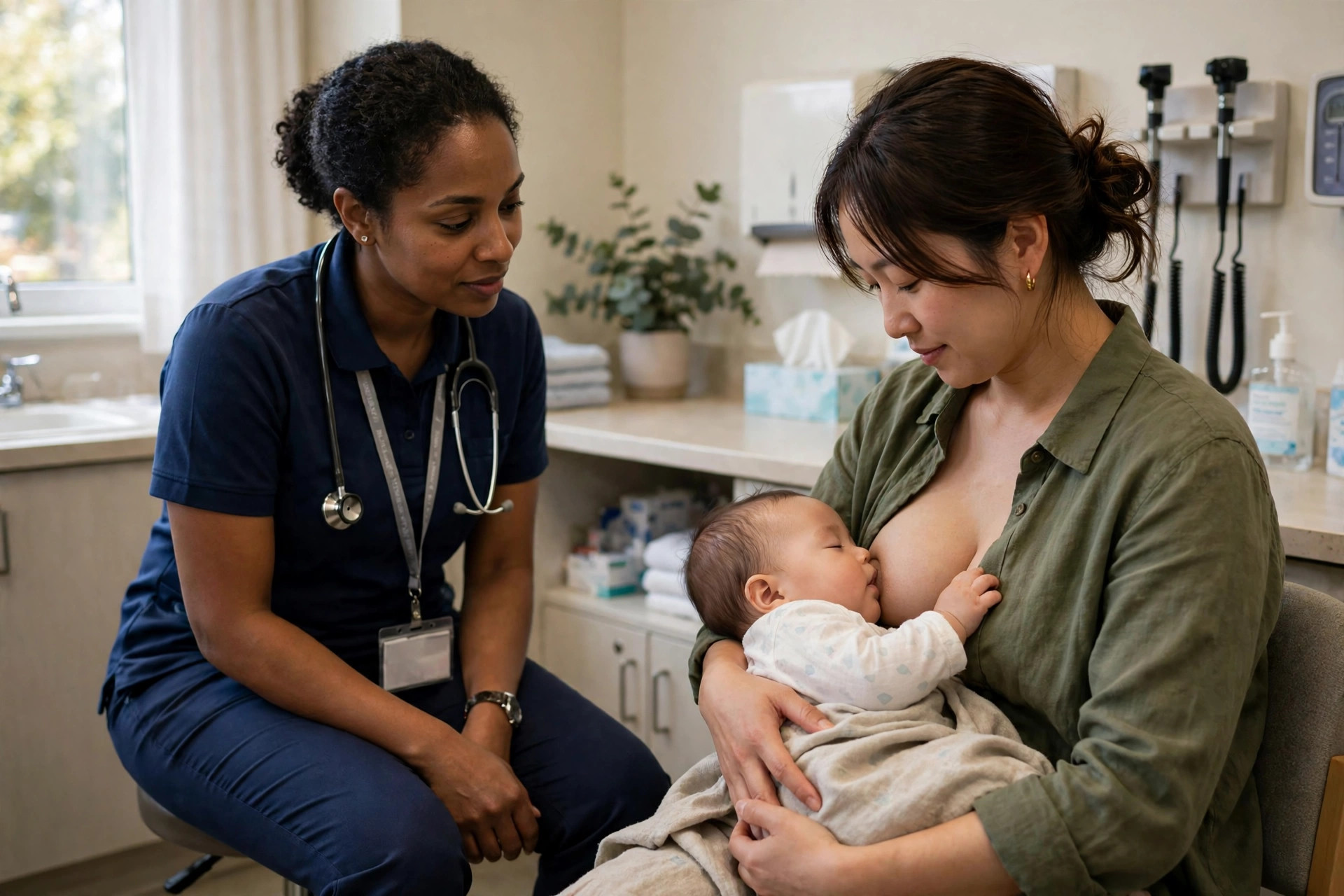 Baby not feeding wellChildren
 Baby refluxChildren
 BedwettingChildren
 Constipation in childrenChildren
 Cough in childrenChildren
 Crying babyChildren
 Diarrhoea in childrenChildren
 Febrile seizuresChildren
 Fever in childrenChildren
 Limping in a childChildren
 Rash in childrenChildren
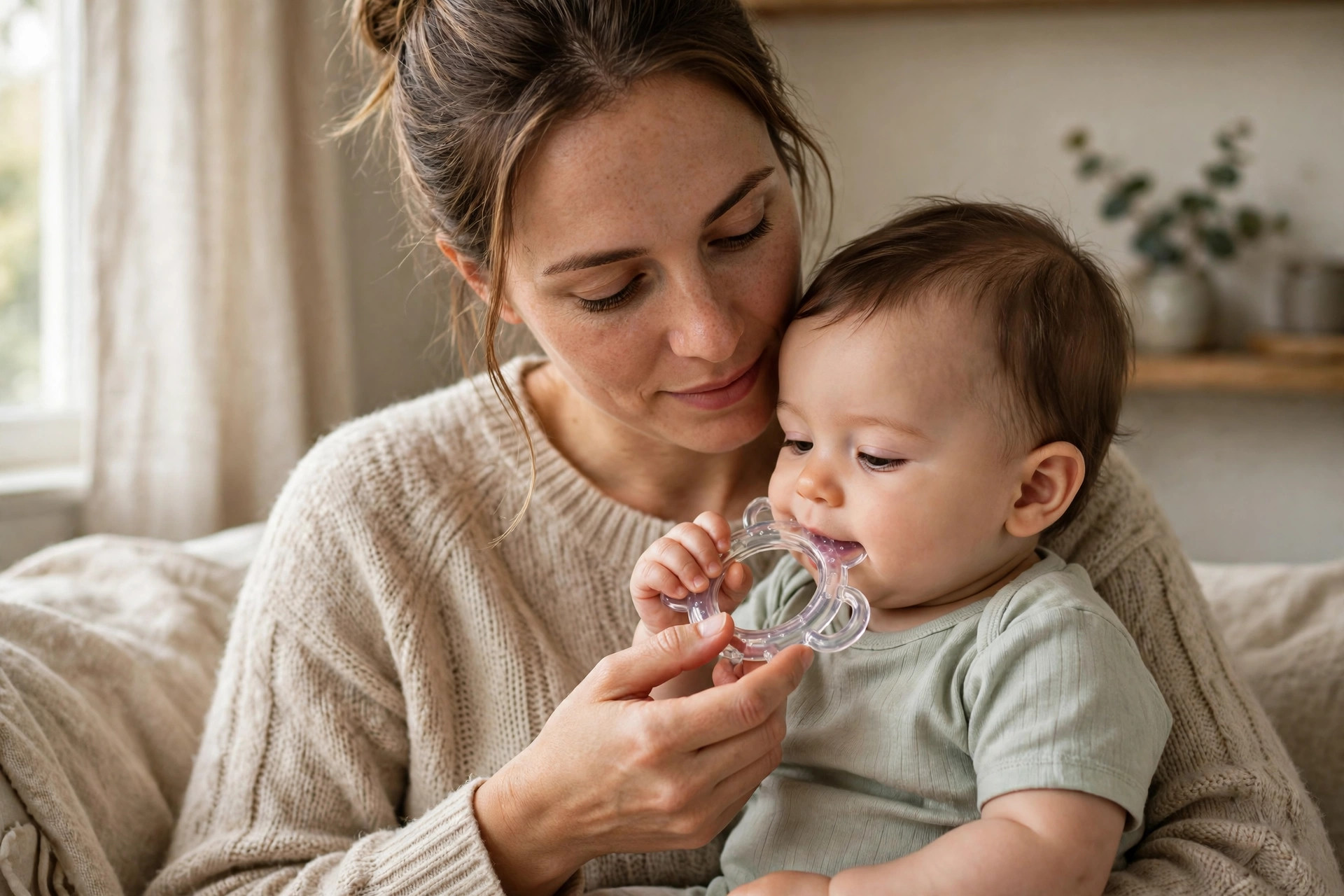 Teething painChildren
 Tummy ache in childrenChildren
 Vomiting in childrenChildren
| Symptom | Category | What it can feel like |
|---|---|---|
| Baby not feeding well | Children | A baby not feeding well means taking much less milk than usual, refusing feeds, feeding weakly or falling asleep at the breast or bottle. In young babies, feeding is the… |
| Baby reflux | Children | A baby bringing up a lot of milk (infant reflux) means milk returning effortlessly after feeds — possets, or larger amounts — because the valve at the top of the stomach… |
| Bedwetting | Children | Bedwetting (nocturnal enuresis) means involuntary wetting during sleep in a child old enough to be expected dry — after about age five. It is very common (roughly one in… |
| Constipation in children | Children | Constipation in children means hard, infrequent stools that are painful to pass — often with large-sized stools, straining, withholding behaviour (crossing legs… |
| Cough in children | Children | A cough in a child is the protective reflex clearing the airways. Most childhood coughs are viral upper-respiratory infections lasting one to three weeks — longer than… |
| Crying baby | Children | Excessive crying means a baby who cries far more than expected — inconsolable episodes, often in the evening, in an otherwise thriving baby (the classic colic pattern)… |
| Diarrhoea in children | Children | Diarrhoea in children means loose or watery stools passed more often than usual. It is most often an infectious stomach bug lasting a few days. As with vomiting, the… |
| Febrile seizures | Children | A febrile seizure is a fit triggered by fever in a young child (typically 6 months to 5 years), when the immature brain reacts to a rapidly rising temperature. The child… |
| Fever in children | Children | Fever in children means a temperature of 38°C (100.4°F) or above. Fever itself is the immune system working, not a disease — what matters is the child's age, how they… |
| Limping in a child | Children | A limping child is a child walking with an abnormal gait — favouring one leg, refusing to bear weight, or walking stiffly. The limp is a signpost, not a diagnosis… |
| Rash in children | Children | A rash in a child is any new change in the skin — spots, redness, blisters, bumps or scaling. Rashes are among the commonest childhood presentations and are usually… |
| Teething pain | Children | Teething pain means the discomfort as teeth cut through the gums in babies and toddlers — typically from around six months, in waves over days per tooth. Teething is… |
| Tummy ache in children | Children | Tummy ache is one of the commonest childhood complaints — crampy pain around the navel, often coming and going, in a child who is otherwise well. Most childhood tummy… |
| Vomiting in children | Children | Vomiting in children means forceful bringing up of stomach contents — different from the effortless posseting of babies. It is usually a stomach bug, but the assessment… |
Please note: This page is educational information about a symptom. A symptom alone cannot diagnose any condition, and the causes listed here are possibilities, not a diagnosis. If you are worried about a symptom — especially one that is new, severe, getting worse or not going away — please see your own clinician, who can examine you and arrange tests. In an emergency, call your local emergency number.