
- Physical Examination
- Surgical Examination
- Ophthalmology
- Clinical Skills
- Orthopedics
- Surgery Videos
- Laparoscopy
- Pediatrics
- Funny Videos
- Cardiothoracic Surgery
- Nursing Videos
- Plastic Surgery
- Otorhinolaryngology
- Histology and Histopathology
- Neurosurgery
- Dermatology
- Pediatric Surgery
- Urology
- Dentistry
- Oncology and Cancers
- Anatomy Videos
- Health and Fitness
- Radiology
- Anaesthesia
- Physical Therapy
- Pharmacology
- Interventional Radiology
- Cardiology
- Endocrinology
- Gynecology
- Emergency Medicine
- Psychiatry and Psychology
- Childbirth Videos
- General Medical Videos
- Nephrology
- Physiology
- Diet and Food Health
- Diabetes Mellitus
- Neurology
- Women Health
- Osteoporosis
- Gastroenterology
- Pulmonology
- Hematology
- Rheumatology
- Toxicology
- Nuclear Medicine
- Infectious Diseases
- Vascular Disease
- Reproductive Health
- Burns and Wound Healing
- Kidney Zone Podcast
- Other
Vertigo
Category: Brain & Nerves · All brain & nerves symptoms
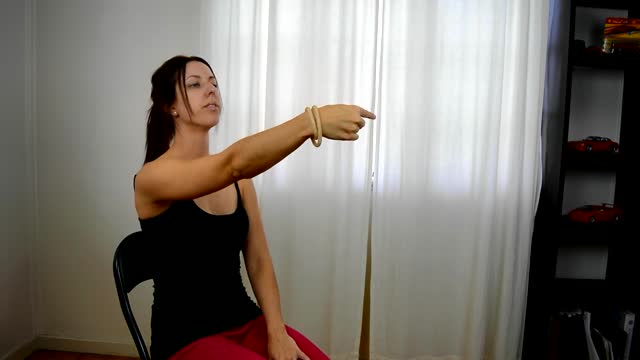
What it can feel like
Vertigo is the false sensation that you or the room is spinning or tilting. Brief spinning triggered by rolling over in bed or looking up is the signature of BPPV — loose crystals in the inner ear's balance canals. Longer attacks with nausea, sweating and a need to lie still come from the balance organ or its nerve.
Possible causes
A symptom can have many causes, and most are not serious. The lists below group conditions this symptom can be associated with — common causes first. They are possibilities to discuss with a clinician, not a diagnosis.
Common causes
Vertigo can be associated with BPPV (crystals in the balance canals), inflammation of the balance nerve after a viral illness (vestibular neuritis), inner-ear fluid pressure changes (Ménière's disease, with tinnitus and fluctuating hearing), and migraine.
Other possible causes
Vertigo can also be associated with stroke affecting the back of the brain — the great mimic of inner-ear disease — particularly when it is continuous, severe, and joined by double vision, slurred speech, weakness or inability to walk.
Red flags — when to seek help promptly
- Vertigo that is continuous and severe with inability to walk unaided
- Vertigo with double vision, slurred speech, weakness or numbness — emergency
- Vertigo with a new severe headache or neck pain
- Vertigo with sudden hearing loss in one ear — same-day assessment
- Vertigo after a head injury
What a clinician may do
A clinician will examine eye movements (which reveal characteristic patterns), test hearing, and use head-positioning tests to provoke and characterise BPPV. Repositioning manoeuvres (such as the Epley manoeuvre) treat BPPV in clinic; MRI is arranged when central causes are possible.
Watch: related videos
Examination and clinical videos from the MedicalVideos.com library relevant to this symptom. Some clinical footage is graphic — that is the nature of a medical video library.
Related guides on MedicalVideos.com
Frequently asked questions
What is the Epley manoeuvre?
A sequence of guided head and body positions that rolls the loose crystals out of the balance canal back where they belong. For classic BPPV it can stop attacks in one or two sessions, and a clinician can teach you a home version once the pattern is confirmed.
How do doctors tell ear vertigo from stroke vertigo?
By pattern and examination: BPPV is brief and triggered by position; vestibular neuritis is continuous but with characteristic eye movements and a normal neurological examination; certain eye-movement findings (such as direction-changing nystagmus) point centrally. When in doubt, the case is treated as possible stroke and scanned.
Related symptoms — Brain & Nerves
Browse the V section of the A–Z list or return to the Symptoms A–Z hub.