
- Physical Examination
- Surgical Examination
- Ophthalmology
- Clinical Skills
- Orthopedics
- Surgery Videos
- Laparoscopy
- Pediatrics
- Funny Videos
- Cardiothoracic Surgery
- Nursing Videos
- Plastic Surgery
- Otorhinolaryngology
- Histology and Histopathology
- Neurosurgery
- Dermatology
- Pediatric Surgery
- Urology
- Dentistry
- Oncology and Cancers
- Anatomy Videos
- Health and Fitness
- Radiology
- Anaesthesia
- Physical Therapy
- Pharmacology
- Interventional Radiology
- Cardiology
- Endocrinology
- Gynecology
- Emergency Medicine
- Psychiatry and Psychology
- Childbirth Videos
- General Medical Videos
- Nephrology
- Physiology
- Diet and Food Health
- Diabetes Mellitus
- Neurology
- Women Health
- Osteoporosis
- Gastroenterology
- Pulmonology
- Hematology
- Rheumatology
- Toxicology
- Nuclear Medicine
- Infectious Diseases
- Vascular Disease
- Reproductive Health
- Burns and Wound Healing
- Kidney Zone Podcast
- Other
Seizures
Category: Brain & Nerves · All brain & nerves symptoms
What it can feel like
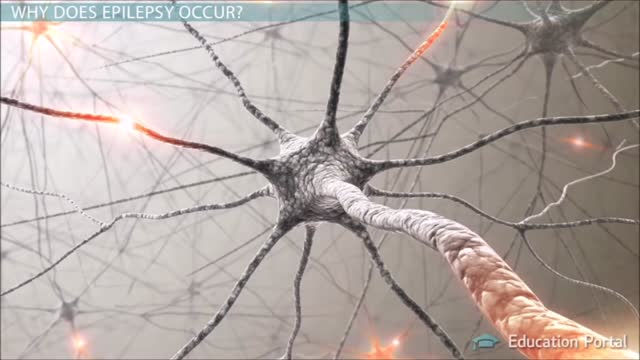
A seizure is a burst of abnormal electrical activity in the brain, producing episodes such as convulsions with stiffening and jerking, blank staring spells, sudden jerks, or strange sensations and déjà vu. A first seizure is frightening and always needs assessment; most seizures stop by themselves within a few minutes.
Possible causes
A symptom can have many causes, and most are not serious. The lists below group conditions this symptom can be associated with — common causes first. They are possibilities to discuss with a clinician, not a diagnosis.
Common causes
A first seizure can be associated with fever in young children (febrile seizures), severe sleep deprivation, alcohol withdrawal, very low blood sugar or salts, and flashing-light sensitivity in susceptible people.
Other possible causes
Recurrent seizures (epilepsy) can be associated with previous brain injury, stroke, infections of the brain, developmental differences in how the brain formed, and, less commonly, brain tumours. Many people with epilepsy have no structural cause found.
Red flags — when to seek help promptly
- A seizure lasting more than five minutes, or repeated seizures without regaining consciousness — emergency
- A first-ever seizure — same-day emergency assessment
- A seizure with difficulty breathing, injury, or in pregnancy
- A seizure in water, or in someone with diabetes who does not recover as expected
- Seizures that are changing in pattern or frequency in someone with known epilepsy
What a clinician may do
First-seizure assessment includes witness description, blood tests (including sugar and salts), an ECG (faints mimic seizures), and usually brain imaging and an electrical recording of the brain (EEG). Driving and safety advice is given; epilepsy treatment is usually considered after a confirmed epileptic seizure pattern.
Watch: related videos
Examination and clinical videos from the MedicalVideos.com library relevant to this symptom. Some clinical footage is graphic — that is the nature of a medical video library.
Related guides on MedicalVideos.com
Frequently asked questions
What should a bystander do during a seizure?
Time it, protect the head, move dangerous objects, loosen tight neckwear, and put nothing in the mouth. As it ends, roll the person onto their side. Call emergency services if it exceeds five minutes, repeats, injures them, or is their first seizure.
Is every collapse with shaking epilepsy?
No — faints can include brief jerking when the brain is starved of blood, and functional (non-epileptic) attacks also mimic seizures. The witness account, tongue-biting position, duration and recovery pattern separate them, which is why video of an episode is so valuable to specialists.
Related symptoms — Brain & Nerves
Browse the S section of the A–Z list or return to the Symptoms A–Z hub.