
- Physical Examination
- Surgical Examination
- Ophthalmology
- Clinical Skills
- Orthopedics
- Surgery Videos
- Laparoscopy
- Pediatrics
- Funny Videos
- Cardiothoracic Surgery
- Nursing Videos
- Plastic Surgery
- Otorhinolaryngology
- Histology and Histopathology
- Neurosurgery
- Dermatology
- Pediatric Surgery
- Urology
- Dentistry
- Oncology and Cancers
- Anatomy Videos
- Health and Fitness
- Radiology
- Anaesthesia
- Physical Therapy
- Pharmacology
- Interventional Radiology
- Cardiology
- Endocrinology
- Gynecology
- Emergency Medicine
- Psychiatry and Psychology
- Childbirth Videos
- General Medical Videos
- Nephrology
- Physiology
- Diet and Food Health
- Diabetes Mellitus
- Neurology
- Women Health
- Osteoporosis
- Gastroenterology
- Pulmonology
- Hematology
- Rheumatology
- Toxicology
- Nuclear Medicine
- Infectious Diseases
- Vascular Disease
- Reproductive Health
- Burns and Wound Healing
- Kidney Zone Podcast
- Other
Skin, Hair & Nails
Symptoms of the skin, hair and nails: rashes, itching, lumps, moles that change, hair loss, nail changes, bruising and skin colour changes. Each page describes what to look for, what the symptom is commonly associated with, and the changes that should be shown to a clinician promptly.
This page lists all 16 of them in the guide. Open any symptom for its possible causes, red-flag list and frequently asked questions.
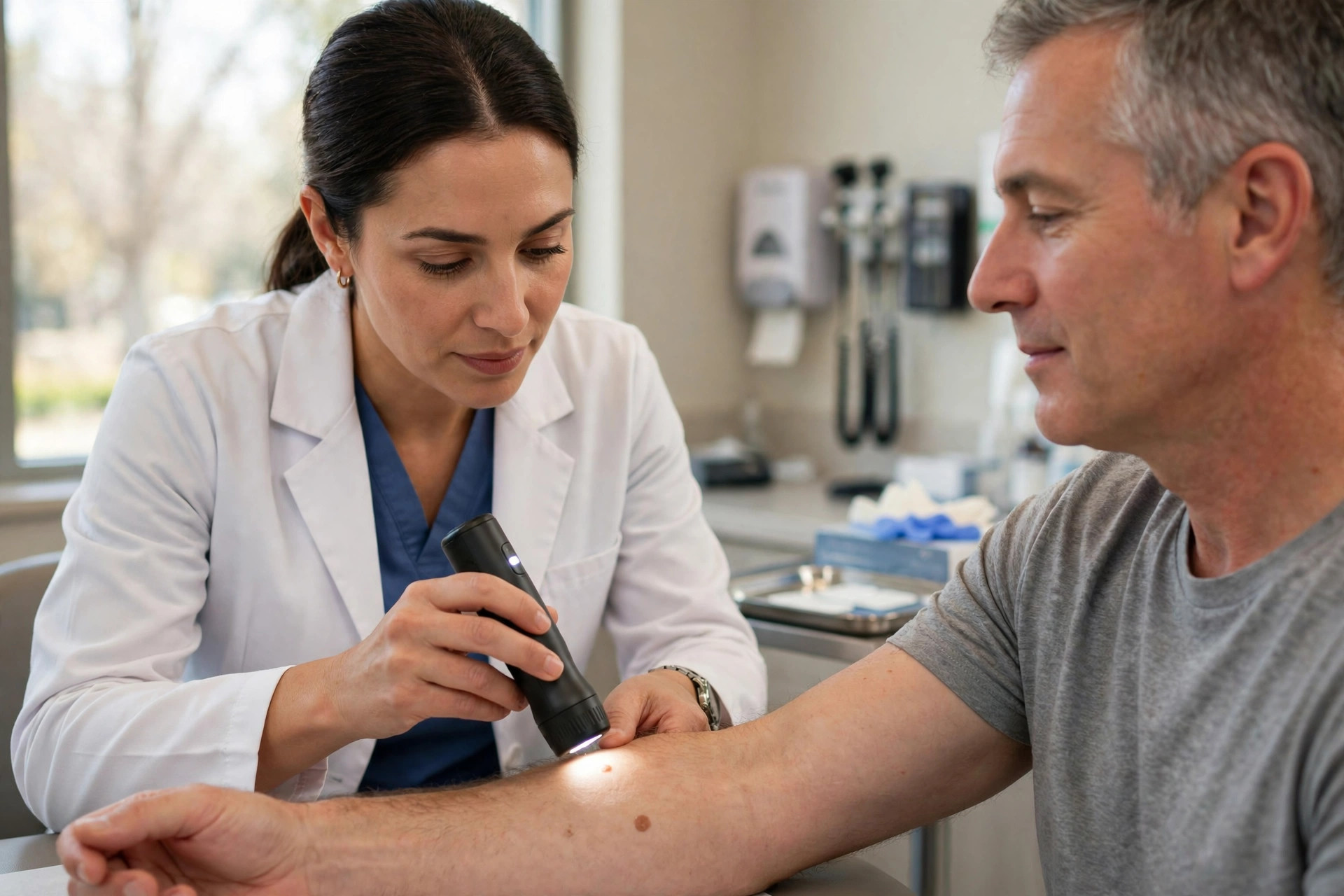 A mole that has changedSkin
 A new lump under the skinSkin
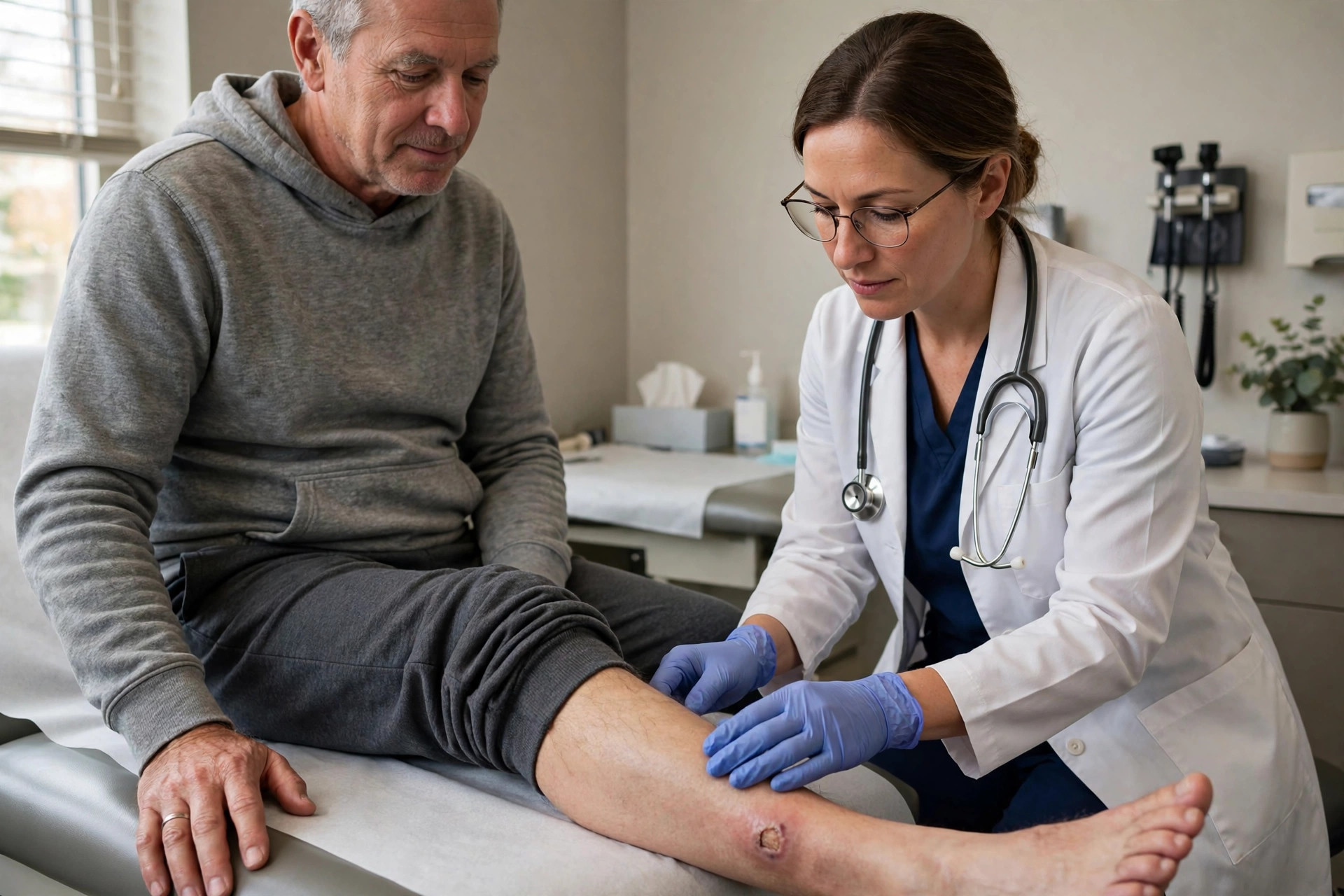 A sore that does not healSkin
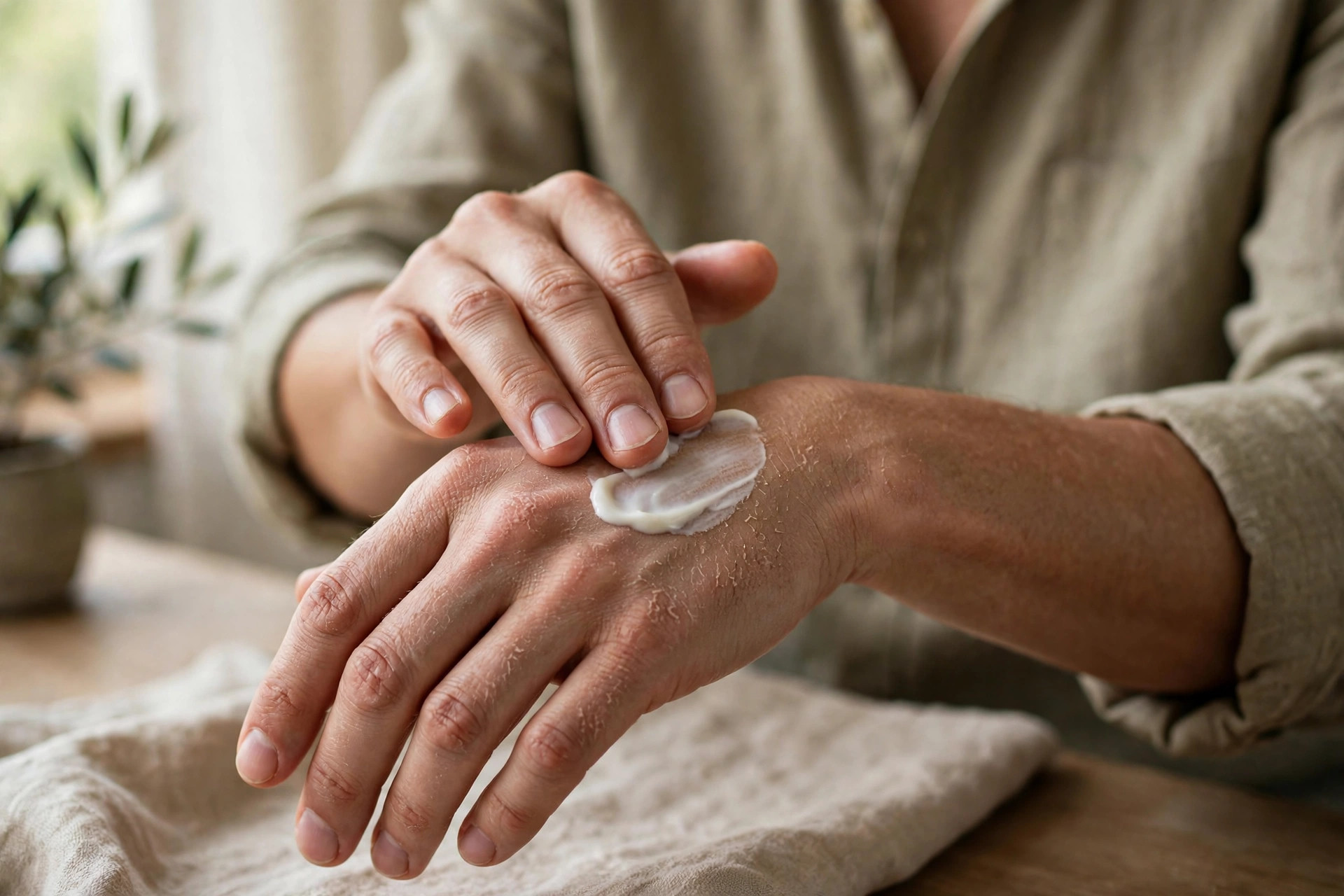 Dry skinSkin
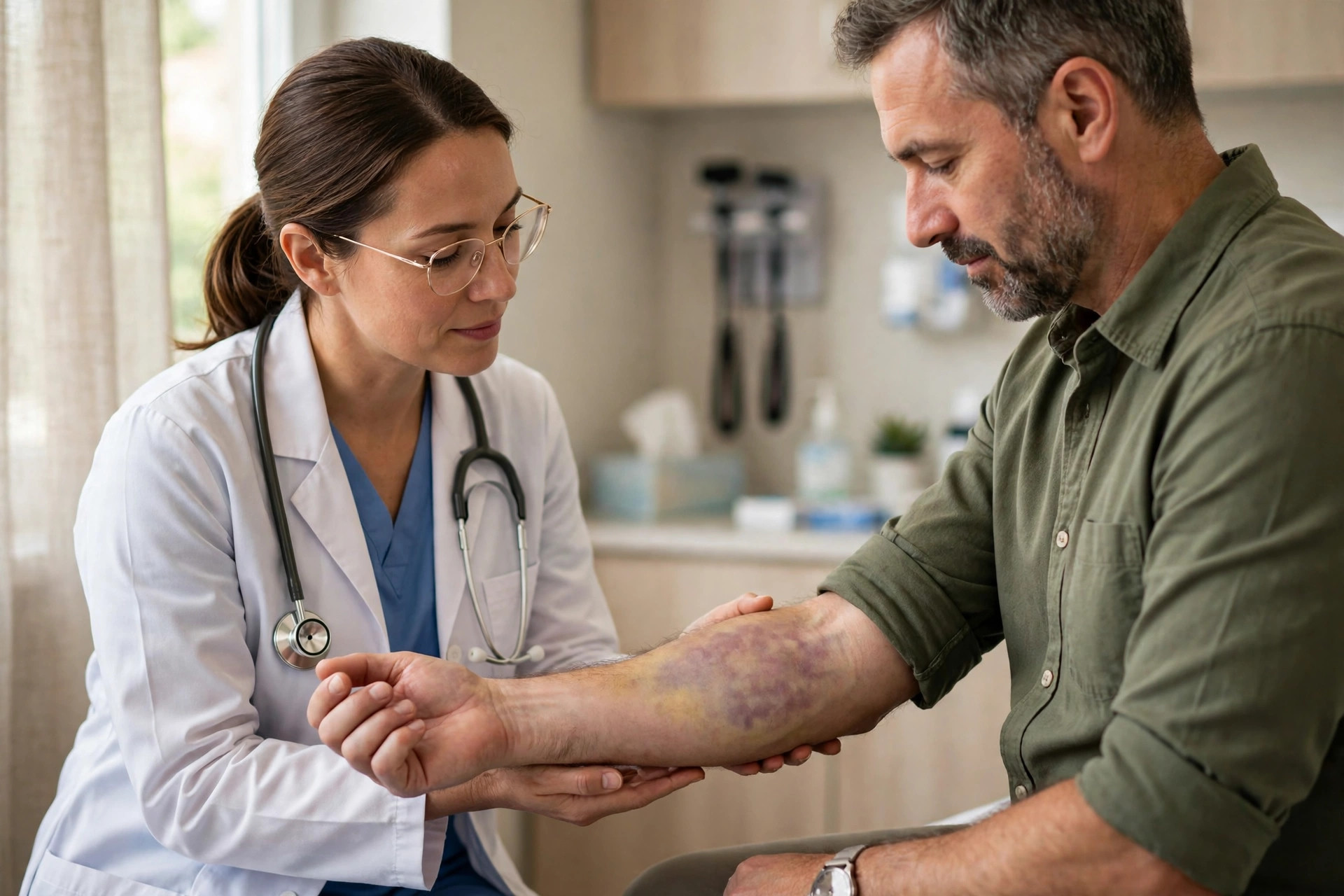 Easy bruisingSkin
 Flaky scalp (dandruff)Skin
 Hair lossSkin
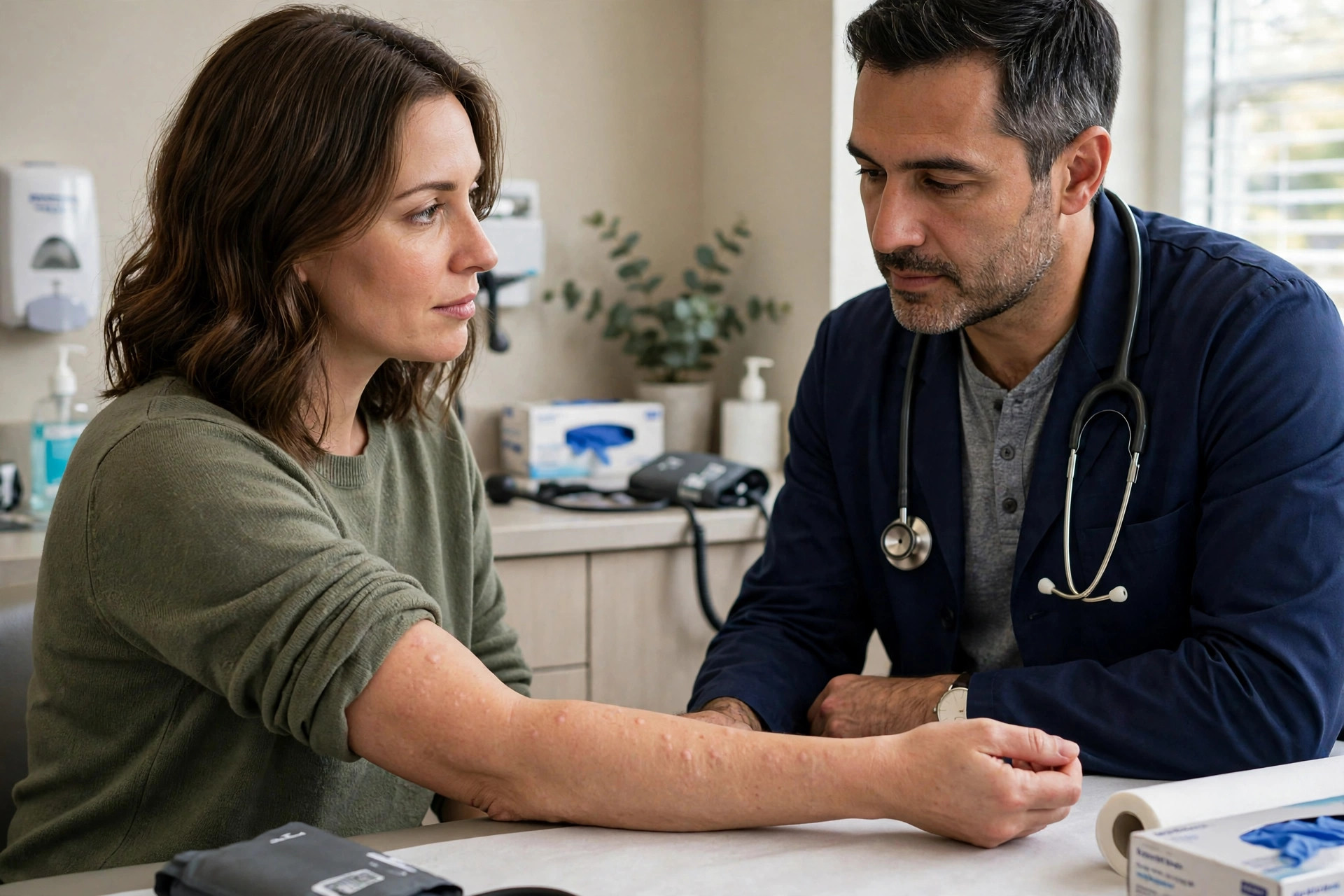 HivesSkin
 Itchy skinSkin
 Itchy skin with no rashSkin
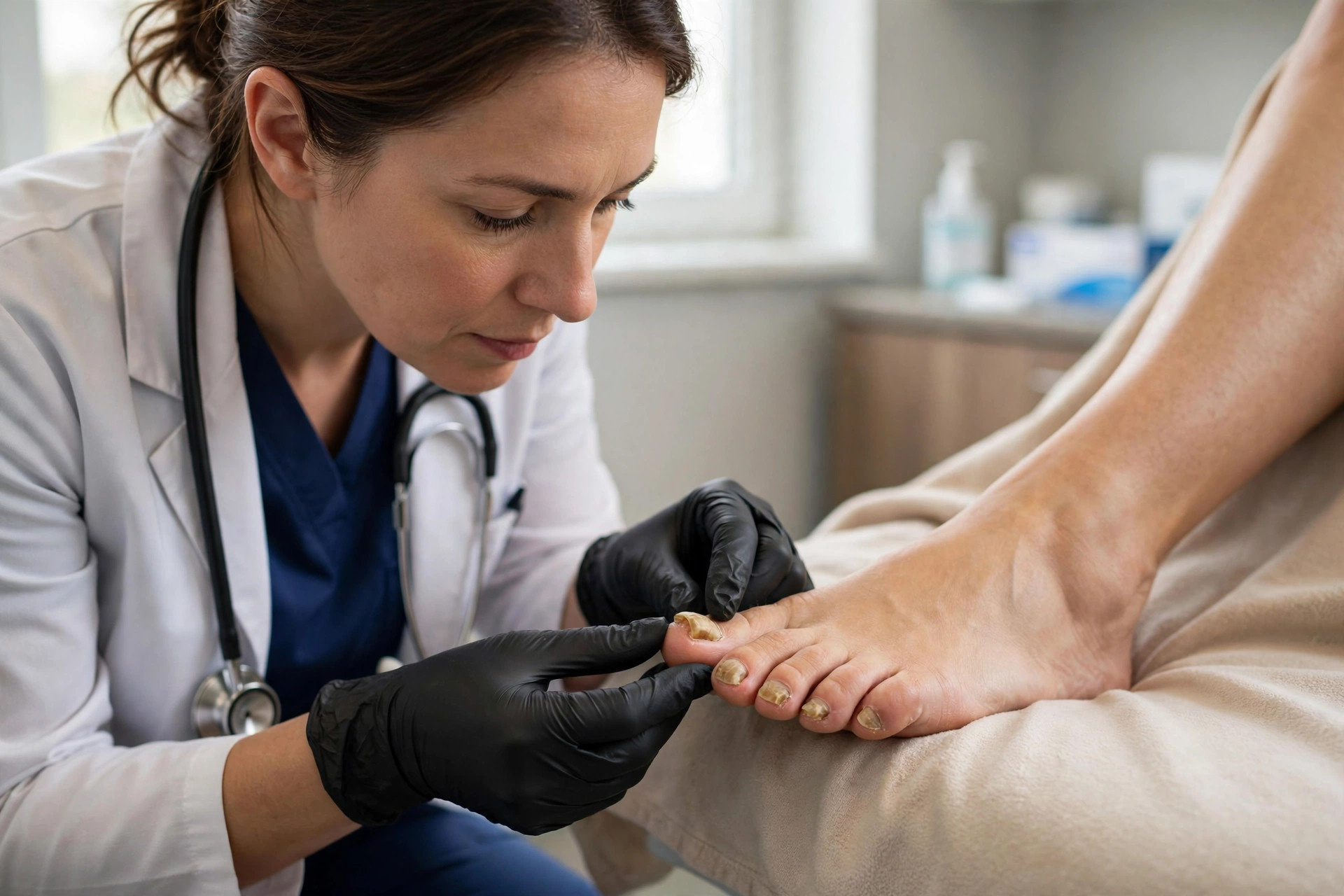 Nail changesSkin
 Painful red skinSkin
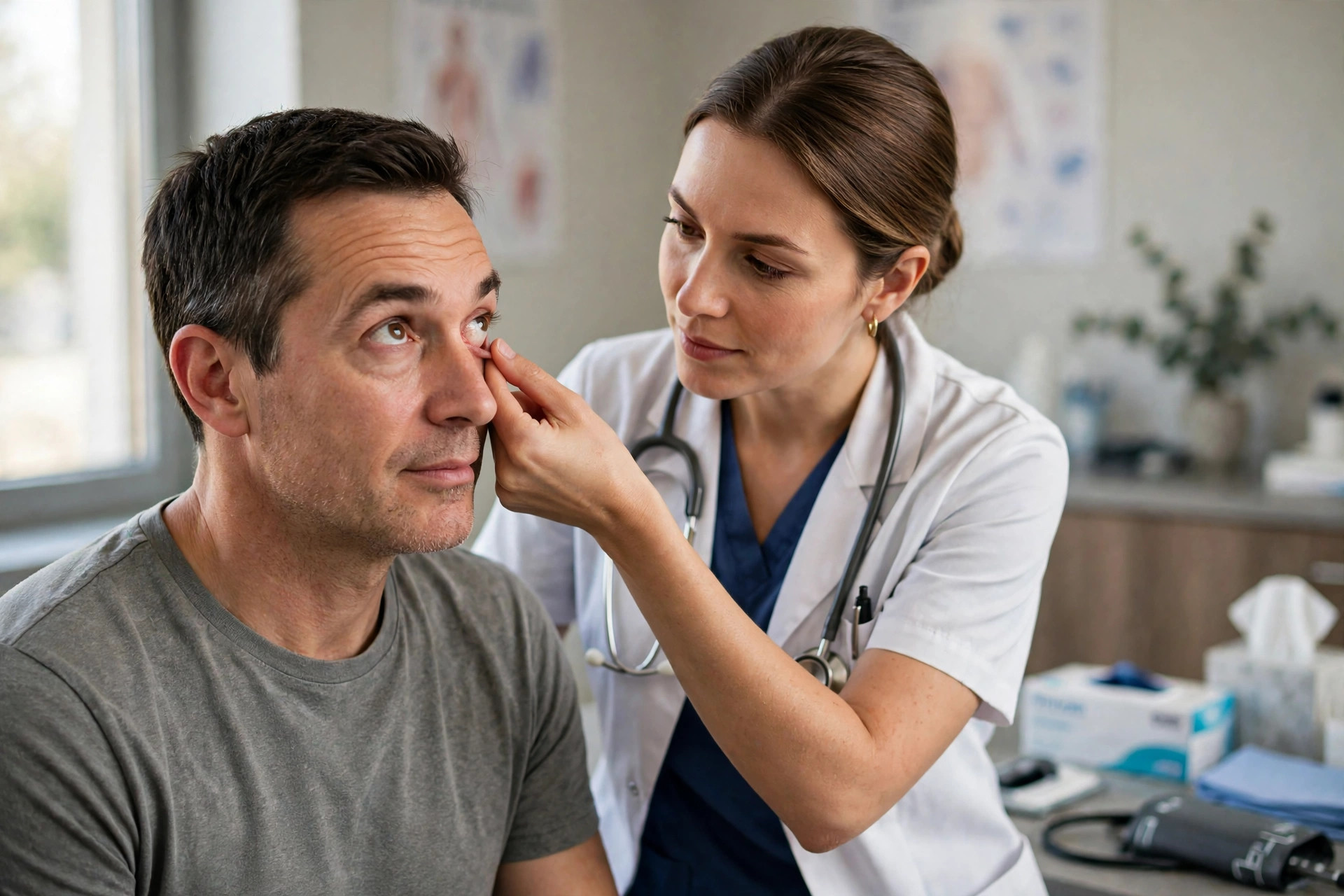 Pale skin (pallor)Skin
 RashSkin
 Unwanted hair growthSkin
 White patches of skinSkin
| Symptom | Category | What it can feel like |
|---|---|---|
| A mole that has changed | Skin | A mole that has changed — in size, shape, colour, surface, or sensation — is a symptom that should always be examined. Most moles are harmless and change slowly with… |
| A new lump under the skin | Skin | A new lump under the skin is a swelling you can feel beneath normal-looking skin — soft or firm, mobile or fixed, painless or tender. The overwhelming majority are… |
| A sore that does not heal | Skin | A sore that does not heal means a break in the skin — an ulcer, erosion or wound — that fails to close over three to four weeks of reasonable care. Skin that cannot heal… |
| Dry skin | Skin | Dry skin feels rough, tight and sometimes itchy, with fine flaking or scaling — worse in winter, after hot showers, and with age as the skin's oils thin. It is a… |
| Easy bruising | Skin | Easy bruising means bruises appear after minor knocks you barely remember, are unusually large, or appear in unusual places such as the back, face or trunk. Bruising… |
| Flaky scalp (dandruff) | Skin | A flaky scalp means visible white or yellowish scales shedding from the scalp, often with itching. At the mild end it is dandruff — an inflammatory reaction to the… |
| Hair loss | Skin | Hair loss covers several distinct patterns: gradual thinning over the crown or temples, round bald patches, heavy shedding after illness or childbirth, and hair loss… |
| Hives | Skin | Hives (urticaria) are raised, itchy welts — pale or red bumps with a pale centre — that appear suddenly, move around, and individually fade within hours, though new ones… |
| Itchy skin | Skin | Itchy skin (pruritus) is the sensation that makes you want to scratch — with or without a visible rash. Itch has its own nerve pathways and its own long list of causes… |
| Itchy skin with no rash | Skin | Itchy skin with no rash means intense itching where the skin itself looks normal — nothing to see except scratch marks. Because the primary event is not in the skin… |
| Nail changes | Skin | Nail changes include thickening, discolouration (yellow, white, green, black), ridging, splitting, crumbling, lifting from the bed, and shape change such as clubbing of… |
| Painful red skin | Skin | Painful red skin means an area of skin that is red, warm, swollen and tender, often spreading — the classic picture of cellulitis, a bacterial infection of the skin and… |
| Pale skin (pallor) | Skin | Pale skin (pallor) means the skin, lips, nail beds and inner eyelids look paler than normal. In most cases it reflects a reduced blood count (anaemia); briefly, it also… |
| Rash | Skin | A rash is any change in the skin's appearance or texture over an area — redness, spots, bumps, blisters, scales or welts. Rashes are described by their shape and… |
| Unwanted hair growth | Skin | Unwanted hair growth (hirsutism) means coarse, dark hair growing in a male pattern in women — upper lip, chin, chest, abdomen, back — driven by androgen hormones or by… |
| White patches of skin | Skin | White patches of skin are areas that have lost some or all of their pigment — ranging from the milk-white, sharply bordered patches of vitiligo to the faint, scaly pale… |
Please note: This page is educational information about a symptom. A symptom alone cannot diagnose any condition, and the causes listed here are possibilities, not a diagnosis. If you are worried about a symptom — especially one that is new, severe, getting worse or not going away — please see your own clinician, who can examine you and arrange tests. In an emergency, call your local emergency number.