
- Physical Examination
- Surgical Examination
- Ophthalmology
- Clinical Skills
- Orthopedics
- Surgery Videos
- Laparoscopy
- Pediatrics
- Funny Videos
- Cardiothoracic Surgery
- Nursing Videos
- Plastic Surgery
- Otorhinolaryngology
- Histology and Histopathology
- Neurosurgery
- Dermatology
- Pediatric Surgery
- Urology
- Dentistry
- Oncology and Cancers
- Anatomy Videos
- Health and Fitness
- Radiology
- Anaesthesia
- Physical Therapy
- Pharmacology
- Interventional Radiology
- Cardiology
- Endocrinology
- Gynecology
- Emergency Medicine
- Psychiatry and Psychology
- Childbirth Videos
- General Medical Videos
- Nephrology
- Physiology
- Diet and Food Health
- Diabetes Mellitus
- Neurology
- Women Health
- Osteoporosis
- Gastroenterology
- Pulmonology
- Hematology
- Rheumatology
- Toxicology
- Nuclear Medicine
- Infectious Diseases
- Vascular Disease
- Reproductive Health
- Burns and Wound Healing
- Kidney Zone Podcast
- Other
Women's Health
Symptoms in women's health: period changes, pelvic pain, vaginal discharge or bleeding, breast lumps and pain, hot flushes and fertility-related symptoms. These pages are factual and plain-spoken, cover the common hormonal and gynaecological associations, and flag pregnancy-related warning signs clearly.
This page lists all 17 of them in the guide. Open any symptom for its possible causes, red-flag list and frequently asked questions.
 Bleeding after sexWomen's Health
 Bleeding after the menopauseWomen's Health
 Bleeding between periodsWomen's Health
 Breast lumpWomen's Health
 Breast painWomen's Health
 Heavy periodsWomen's Health
 Hot flushesWomen's Health
 Irregular periodsWomen's Health
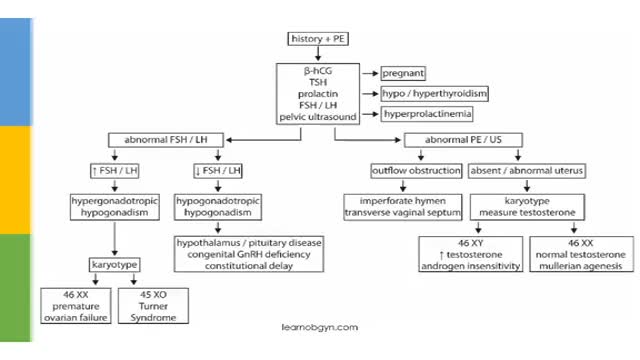 Missed periodWomen's Health
 Nipple dischargeWomen's Health
 Pain during sexWomen's Health
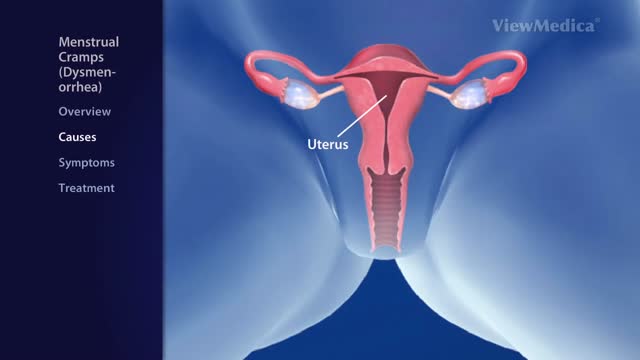 Painful periodsWomen's Health
 Pelvic painWomen's Health
 Premenstrual symptomsWomen's Health
 Vaginal dischargeWomen's Health
 Vaginal drynessWomen's Health
 Vaginal itchingWomen's Health
| Symptom | Category | What it can feel like |
|---|---|---|
| Bleeding after sex | Women's Health | Bleeding after sex (postcoital bleeding) means vaginal bleeding that follows intercourse, from spotting to a heavier loss. The bleeding source is usually the cervix —… |
| Bleeding after the menopause | Women's Health | Bleeding after the menopause means any vaginal bleeding occurring a year or more after your last period. It should never be dismissed as 'one last period' — it always… |
| Bleeding between periods | Women's Health | Bleeding between periods means any vaginal bleeding outside your normal period — spotting after sex aside (which has its own page), mid-cycle spots, or bleeding at… |
| Breast lump | Women's Health | A breast lump is any new lump, thickening or area of firmness in the breast that feels different from the rest of the breast and from the other side. Most breast lumps… |
| Breast pain | Women's Health | Breast pain (mastalgia) is aching, tenderness, heaviness or shooting pains in one or both breasts. Pain that follows the menstrual cycle — building before a period and… |
| Heavy periods | Women's Health | Heavy periods means menstrual bleeding that interferes with life — soaking through protection hourly, passing large clots, flooding, needing double protection, or… |
| Hot flushes | Women's Health | Hot flushes are sudden waves of heat rising through the chest, neck and face, with flushing, sweating and sometimes palpitations, lasting seconds to a few minutes, often… |
| Irregular periods | Women's Health | Irregular periods means cycles that vary a lot in length, arrive unpredictably, or have changed pattern from your usual — cycles shorter than about three weeks or longer… |
| Missed period | Women's Health | A missed period means a period that does not arrive when expected. Pregnancy is the first thing to exclude at any age when it is possible; beyond pregnancy, a single… |
| Nipple discharge | Women's Health | Nipple discharge means fluid coming from the nipple when you are not breastfeeding. Milky discharge from both breasts has hormone and medicine causes; discharge that is… |
| Pain during sex | Women's Health | Pain during sex (dyspareunia) is pain felt at entry (superficial) or deep inside during intercourse. It is common, under-reported, and almost always has an explanation… |
| Painful periods | Women's Health | Painful periods means cramping pain in the lower abdomen (sometimes spreading to the back and thighs) around the time of bleeding, sometimes with nausea, headache and… |
| Pelvic pain | Women's Health | Pelvic pain is pain in the lowest part of the abdomen, between the hip bones. Acute pelvic pain is a new, often severe symptom with its own emergencies; chronic pelvic… |
| Premenstrual symptoms | Women's Health | Premenstrual symptoms are physical and emotional changes in the days before a period — bloating, breast tenderness, headaches, irritability, low mood, anxiety, food… |
| Vaginal discharge | Women's Health | Vaginal discharge is the fluid produced by the vagina and cervix that keeps the tissues healthy; its amount and consistency vary across the cycle and are normally clear… |
| Vaginal dryness | Women's Health | Vaginal dryness means the vaginal tissues produce less natural moisture and become thinner and less elastic — causing dryness, soreness, itching, stinging on passing… |
| Vaginal itching | Women's Health | Vaginal and vulval itching is itching of the external genital skin and vagina, often with soreness, burning or discharge. The skin here is thin and reactive, and the… |
Please note: This page is educational information about a symptom. A symptom alone cannot diagnose any condition, and the causes listed here are possibilities, not a diagnosis. If you are worried about a symptom — especially one that is new, severe, getting worse or not going away — please see your own clinician, who can examine you and arrange tests. In an emergency, call your local emergency number.